
Why Is Clean Water Crucial for Human Survival?
Why Clean Water Isn't a Luxury, It's the Key to Human Survival
Water. It covers 71% of our planet, yet the availability of clean, safe drinking water remains one of the most pressing global challenges.
It may seem obvious that we need water to live, but the importance of clean water goes far beyond simply quenching thirst. It is the invisible foundation upon which human health, economic stability, and societal development are built.
Here is a deep dive into why clean water is not just a convenience, but the absolute cornerstone of human survival.
1. The Physiological Imperative: Water as the Body's Engine
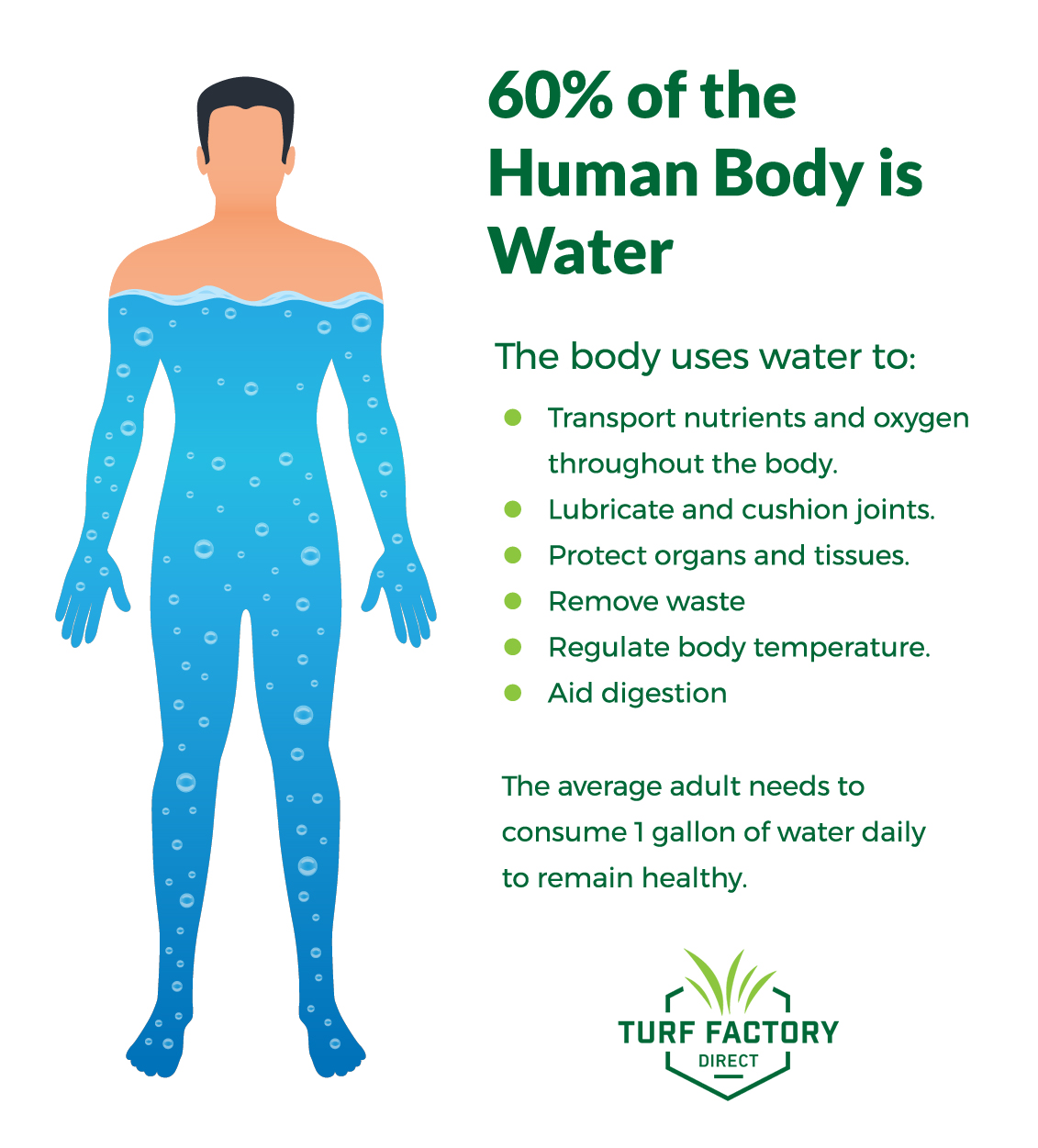
On average, the human body is composed of about 60% water. This isn't just filler; water is the medium through which nearly every critical biological process occurs.
The Role of Water in Survival:
- Temperature Regulation (Thermoregulation): Water prevents us from overheating. When we sweat, the evaporation of water from the skin surface cools the body down, essential for maintaining the optimal internal temperature required for organ function.
- Nutrient Transportation: Water is the universal solvent. It helps dissolve nutrients from the food we eat and transports them via the bloodstream to every cell, tissue, and organ in the body.
- Waste Removal: Water acts as the primary vehicle for flushing toxins and metabolic waste via the kidneys (urine) and the bowels. Without adequate, clean water intake, the kidneys struggle, leading to toxin buildup and serious systemic damage.
- Lubrication and Protection: Water cushions our joints (acting as lubrication), protects sensitive tissues like the spinal cord and brain, and keeps mucous membranes (like those in the nose and throat) moist.
The Crucial Distinction: Only clean water can perform these functions efficiently. Water contaminated with heavy metals, bacteria, or parasites forces the body to spend precious energy fighting the contaminants, detracting from its core survival functions.
2. The Health Crisis Hidden in Dirty Water
If water is the foundation of health, then contaminated water is the catalyst for disease and mortality. Access to clean water is synonymous with disease prevention.
The Threat of Waterborne Illnesses
Contaminated water is a breeding ground for pathogens—bacteria, viruses, and parasites—that cause devastating illnesses. The World Health Organization (WHO) estimates that contaminated drinking water causes hundreds of thousands of deaths every year, primarily among young children.
Common diseases linked to unsafe water include:
- Cholera: A severe bacterial infection causing extreme dehydration.
- Typhoid: A bacterial fever that can be fatal if untreated.
- Dysentery and Diarrhea: While often manageable in developed areas, persistent diarrheal disease is a leading killer of children under five worldwide, robbing their bodies of essential fluids and nutrients.
- Hepatitis A and E: Viral infections that attack the liver.
When a community lacks clean water, it is trapped in a cycle: people drink dirty water, they become sick, they cannot work or attend school, and community resources are stretched thin treating preventable illnesses.
3. The Economic and Societal Ripple Effect
The impact of clean water extends far beyond individual physical health; it is a critical driver of stability, education, and economic growth.
Education and Productivity
In communities without clean water sources nearby, women and children (especially girls) often bear the burden of water collection. This chore can take several hours a day, keeping children out of classrooms and preventing adults from dedicating time to income-generating activities.
When a reliable, safe water source is established:
- Attendance Skyrockets: Children can attend school consistently instead of fetching water or recovering from waterborne illnesses.
- Productivity Increases: Healthy adults can work and contribute to the local economy, lifting families out of poverty.
- Healthcare Costs Drop: Resources previously spent treating preventable diseases can be redirected to education or infrastructure.
Sanitation and Dignity
Clean water is inextricably linked to proper sanitation. Safe water is needed for washing hands, bathing, cleaning clothes, and maintaining sanitary toilet facilities. Without these basics, hygiene standards plummet, leading to rapid disease transmission, especially in dense populations. Clean water restores dignity and allows people to live healthier, fuller lives.
4. Addressing Climate Challenges and Scarcity
As climate change intensifies, access to clean water becomes even more precarious. Droughts decrease overall water availability, while floods often contaminate existing freshwater sources with sewage and debris.
Ensuring human survival now requires robust investment in sustainable water management practices, including:
- Developing drought-resistant infrastructure.
- Implementing effective water purification and recycling processes.
- Protecting natural freshwater ecosystems from pollution.
The fight for clean water is no longer just a humanitarian issue; it is central to climate resilience and global security.