
Why Do We Really Need a Water Filter?

Why a Water Filter Isn't a Luxury, It's a Necessity
We turn on the tap every day, expecting a clear, refreshing stream of water. We largely trust that what flows into our glasses, coffee makers, and cooking pots is safe, thanks to municipal treatment plants. But what if what's "safe" in a broad public health sense isn't necessarily optimal for your long-term health, taste buds, or even the environment?
The truth is, a water filter isn't just a fancy kitchen gadget; it's an increasingly essential safeguard for your health and well-being. Here's why you really need one.
1. The Unseen Guests in Your Glass
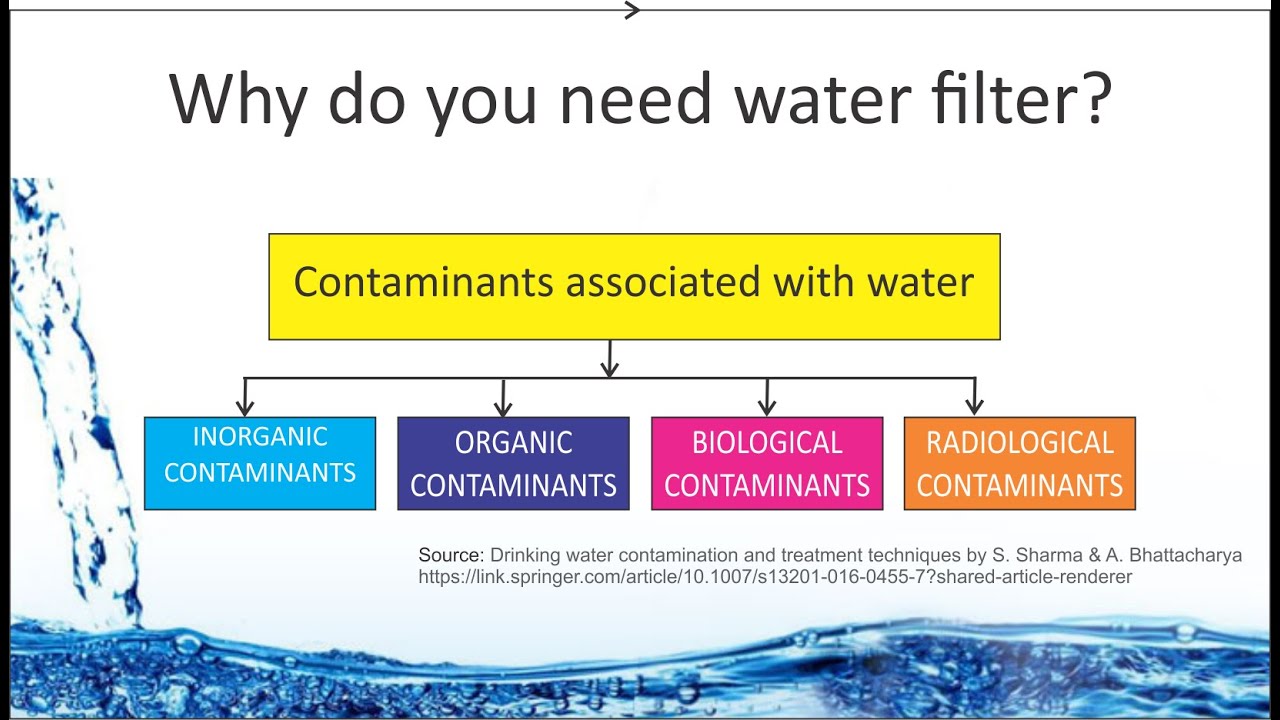
While city water is treated, it's not entirely pristine. Here's a look at some common contaminants that can still be found in your tap water:
- Chlorine and Chloramine: These are vital for disinfecting water and killing harmful bacteria and viruses. However, they can give water an unpleasant taste and odor. More concerning, chlorine can react with organic matter in water to form Disinfection Byproducts (DBPs), some of which are linked to potential health risks over long-term exposure.
- Lead and Copper: Often, these don't come from the water source itself but leach into the water from old pipes, plumbing fixtures, and solder in homes and infrastructure. Lead, especially, is a serious neurotoxin with no safe exposure level, particularly dangerous for children and pregnant women.
- Agricultural Runoff: Pesticides, herbicides, and nitrates from fertilizers can make their way into water sources, especially in rural areas or regions with heavy farming.
- Industrial Pollutants: Depending on your location, industrial discharge can introduce a variety of chemicals into local water supplies.
- Pharmaceuticals and Personal Care Products (PPCPs): Traces of medications (painkillers, hormones, antidepressants), cosmetics, and detergents are increasingly found in water. While in tiny concentrations, their long-term effects on human health and aquatic life are still being studied.
- Microplastics: These tiny plastic particles are ubiquitous in the environment, and studies are increasingly detecting them in tap water across the globe. Their health impacts are not yet fully understood.
- PFAS "Forever Chemicals": Per- and polyfluorofluoroalkyl substances are a group of man-made chemicals found in many products. They are persistent in the environment and have been linked to various health concerns.
2. Protecting Your Health, Long-Term
While your city water might meet EPA standards, these standards are often set based on large population health, not individual sensitivity or accumulation over decades. A water filter provides an extra layer of protection, reducing your exposure to substances that could:
- Impact Taste and Odor: This is the most immediate and noticeable benefit. Filtered water simply tastes better, encouraging you to drink more water and stay better hydrated.
- Reduce Health Risks: By removing or significantly reducing contaminants like lead, DBPs, pesticides, and certain chemicals, you're taking a proactive step to potentially lower your risk of various health issues linked to long-term exposure.
- Safeguard Vulnerable Populations: Young children, pregnant women, the elderly, and individuals with compromised immune systems are more susceptible to waterborne contaminants. A filter offers crucial added protection.
3. Environmental and Economic Sense
Beyond health, water filters offer significant benefits for your wallet and the planet:
- Reduce Plastic Waste: Ditching single-use plastic water bottles for filtered tap water is one of the easiest ways to reduce your environmental footprint. Millions of plastic bottles end up in landfills or polluting our oceans each year.
- Save Money: While there's an initial investment, the cost of filtered tap water is significantly lower than continually buying bottled water. Over time, the savings add up dramatically.
4. Beyond the Drinking Glass
Clean water isn't just for drinking. Consider these aspects:
- Cooking: Water is an ingredient in many dishes. Using filtered water can enhance the taste of your food and ensure you're not cooking with unwanted contaminants.
- Pets: Our furry friends deserve clean water too! Filtered water can be beneficial for their health.
- Brewing Coffee and Tea: The quality of your water significantly impacts the taste of your favorite hot beverages.