
Why Do People Frequently Ask About Water Dispensers?
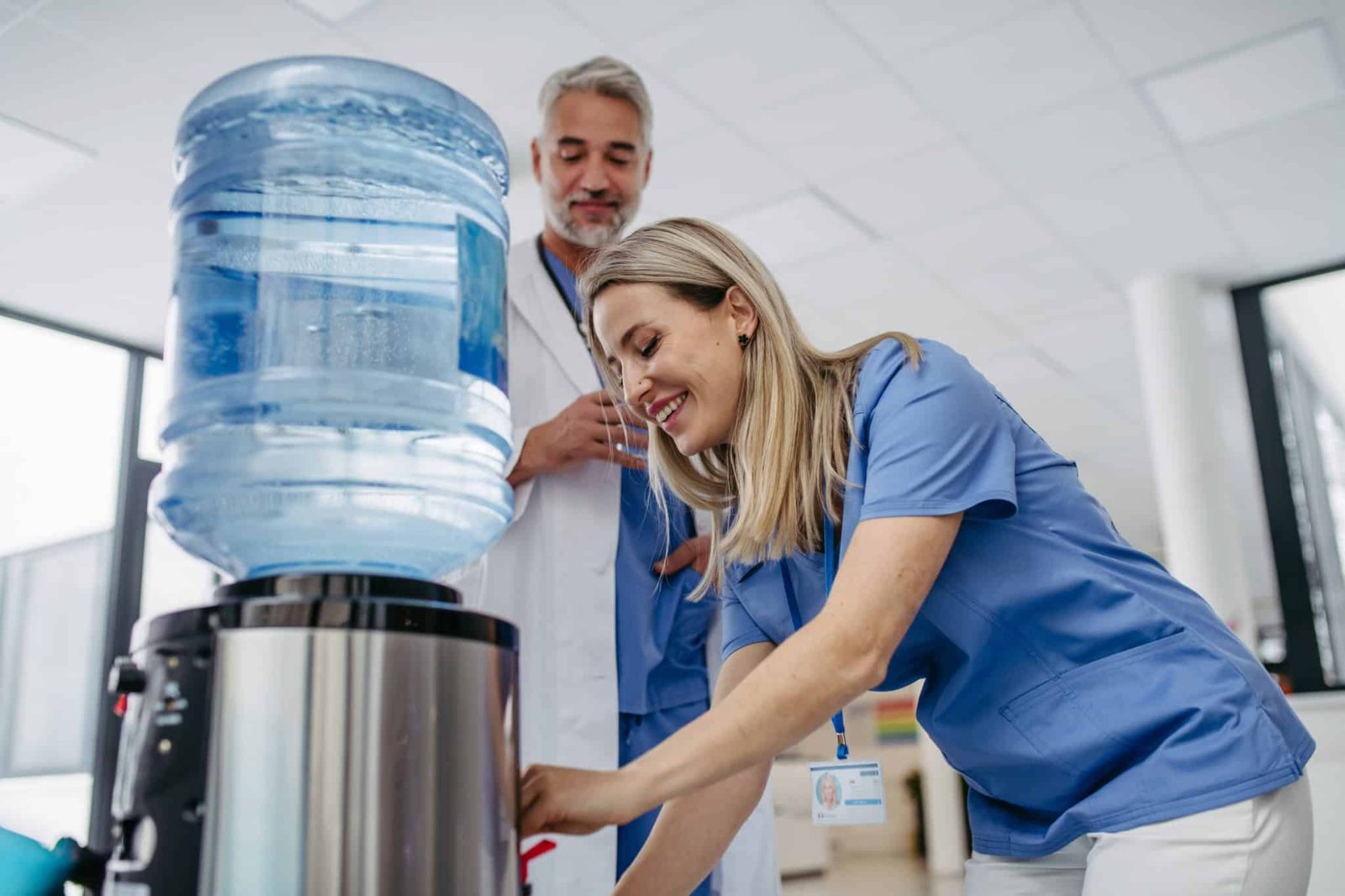
Why Do People Frequently Ask About Water Dispensers?
If you’ve ever spent time browsing home appliance forums, office supply websites, or even strolling down the aisle of a home improvement store, you might have noticed a recurring theme: people really love asking questions about water dispensers.
At first glance, it seems simple enough. It’s a machine that holds water and dispenses it, right? How complicated can it be?
As it turns out, the humble water dispenser is at the center of a surprisingly passionate debate involving health, modern convenience, environmental consciousness, and home aesthetics. Whether they are outfitting a bustling corporate office or upgrading a family kitchen, people constantly seek clarity on these appliances.
Here is a dive into why water dispensers are one of the most frequently asked-about appliances on the market today.
1. The Great Debate: Bottled vs. Bottleless (Point-of-Use)
By far, the most common set of questions revolves around the mechanics of the machine itself: Should I get a traditional top-loading jug dispenser, or invest in a bottleless, direct-line system?
- Top-loading vs. Bottom-loading: People want to know if they can save their backs by getting a bottom-loading model (spoiler alert: yes, you can). They ask about the lifting strain, the visibility of algae growth in clear jugs, and how easy it is to flip a heavy 5-gallon bottle without spilling half of it on the floor.
- Bottleless Systems: As people look for more permanent home solutions, questions about plumbing hookups skyrocket. Do I need a plumber? Can it connect to my refrigerator line? What happens if my water pressure drops?
2. Water Quality and Filtration Anxiety
In an era where people are increasingly health-conscious and skeptical of municipal tap water, the water dispenser acts as a final line of defense. Consumers want deep dives into the filtration technology.
- Does this remove fluoride, lead, and microplastics?
- How often do I need to change the filters, and are replacements expensive?
- Is Reverse Osmosis (RO) built-in, or is it just a basic carbon filter?
Because water is directly tied to wellness, buyers want absolute transparency on what the machine is taking out of their drinking water.
3. The Temperature Factor: Ice-Cold vs. Piping Hot
Gone are the days when a water dispenser simply offered "room temperature" and "slightly cooler." Today’s machines are mini-beverages stations, offering crisp, ice-cold water alongside near-boiling water for tea, instant oatmeal, or French press coffee.
This brings up a flurry of user questions, particularly regarding safety and efficiency:
- Is the hot water button child-safe? (A massive concern for families with toddlers.)
- How much energy does it use to keep water boiling 24/7?
- Does the cooling compressor make a loud humming noise in a quiet office or bedroom?
4. Maintenance and the "Yuck" Factor
Let’s be honest: if not cleaned properly, water dispensers can get gross. Bacteria and mold can build up in the reservoirs and spigots. This leads to a high volume of maintenance-related queries.
People frequently ask:
- How do I sanitize the internal tanks?
- Can I use vinegar, or do I need special cleaning tablets?
- Are there self-cleaning models available? (Yes, some modern units use UV light or ozone technology to sanitize themselves, which is a huge selling point).
5. Cost vs. Long-Term Value
Budgeting is always on the buyer's mind. Consumers are constantly doing the math: Is buying 5-gallon jugs cheaper than buying cases of single-use plastic water bottles? What about the upfront cost of a bottleless filtration system versus ongoing subscription fees for water delivery?
People want to know which option yields the best return on investment over a three-to-five-year period—not just financially, but environmentally as well.