
Who Can Supply the Best Water Filters for Your Needs?
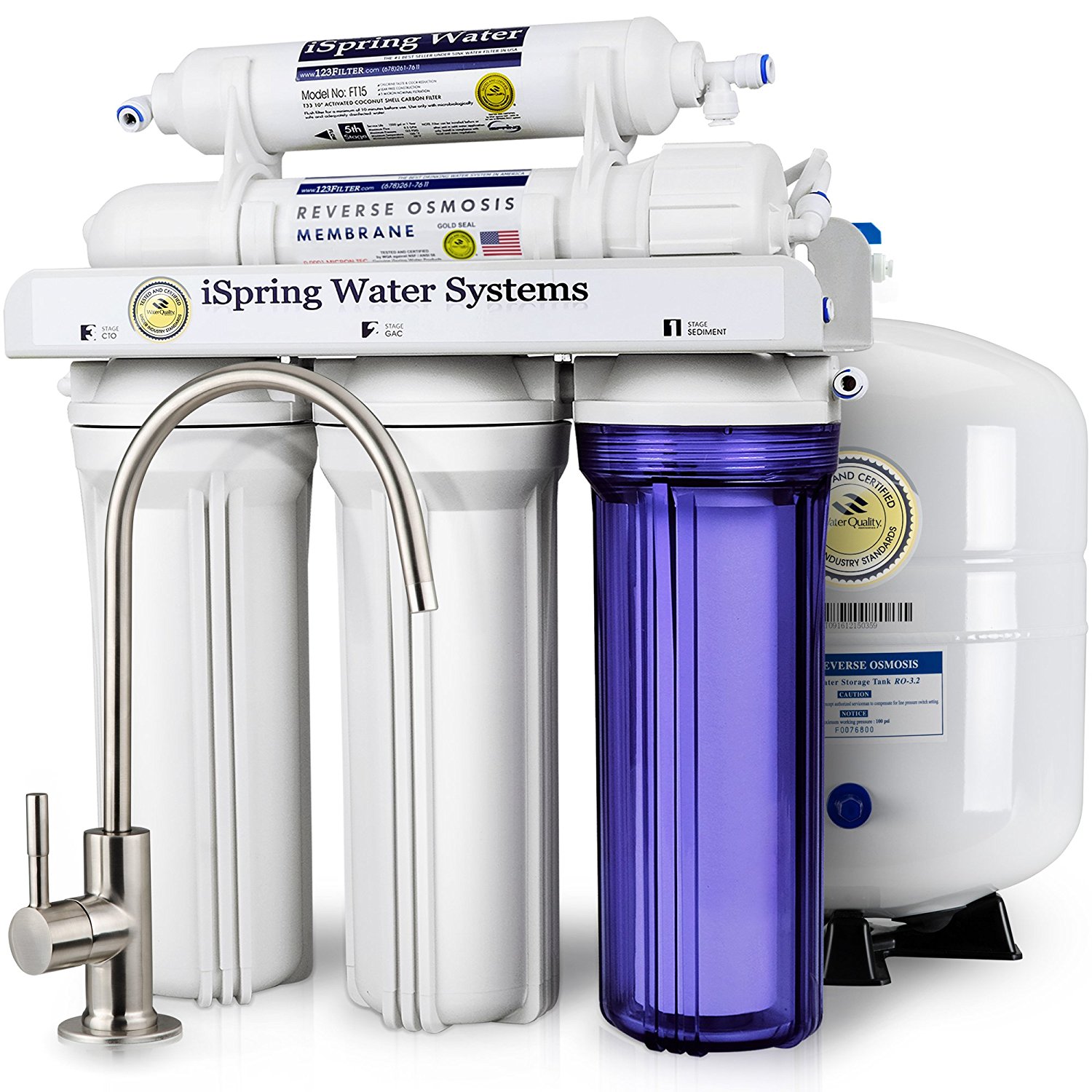
Who Can Supply the Best Water Filters for Your Needs?
In today’s world, knowing what’s actually in your tap water can be unsettling. From trace pharmaceuticals and chlorine byproducts to old-fashioned heavy metals, water quality is a growing concern for homeowners everywhere.
The solution? A reliable water filter.
But once you decide to invest in cleaner water, the real challenge begins: Who supplies the best water filters?
The truth is, there isn't one single "best" supplier. The right choice depends entirely on your specific needs, your budget, and the contaminants you’re trying to remove.
Here is your comprehensive guide to navigating the suppliers, brands, and systems that will deliver the cleanest water for your home.
Phase 1: Understand Your Needs (The Most Critical Step)
Before you even look at a supplier's website, you need to understand why you need a filter and what kind of scale you need it to cover.
1. What Are You Filtering Out?
This is non-negotiable. If you don't know your baseline water quality, you're guessing.
- Get a Water Test: If you rely on municipal water, check their annual quality report. If you use well water, you must get a professional test (checking for bacteria, nitrates, and specific metals).
- Common Targets: Chlorine (taste/odor), Lead, PFOA/PFOS ("forever chemicals"), Arsenic, or Cysts.
2. What Scale of Filtration Do You Need?
- Point-of-Use (POU): Filters water where you use it (e.g., a pitcher, a faucet mount, or an under-sink system). Great for drinking and cooking.
- Point-of-Entry (POE) / Whole House: Filters all water entering your home. Protects fixtures, plumbing, and appliances, and ensures clean water for showering and bathing.
Phase 2: The Major Categories of Water Filter Suppliers
Filter suppliers generally fall into one of three categories, each with its own pros and cons.
1. The Direct-to-Consumer (DTC) Specialists
These companies focus almost entirely on filtration solutions, meaning their expertise and customer support are often top-tier. They usually manufacture or source highly specialized, proprietary equipment.
| Supplier Type | Best For | Popular Examples |
|---|---|---|
| DTC Specialists | Specific, high-level contaminant removal (e.g., well water, hard water treatment), and advanced systems (RO, whole house). | Aquasana, SpringWell, Pelican, Berkey |
| Pros | Expert advice, high-capacity filters, excellent warranties, and certified removal rates. | |
| Cons | Higher upfront cost, potential proprietary filter replacements (meaning you must buy from them). | |
| Who Should Choose Them? | Homeowners needing whole-house solutions, those with well water, or anyone demanding the highest level of contaminant reduction backed by science. |
2. The Big Box & E-commerce Retailers
These providers offer convenience, competitive pricing, and a vast selection of known brands. They are often the best source for smaller, simpler POU systems.
| Supplier Type | Best For | Popular Examples |
|---|---|---|
| Retailers | Affordable POU systems, easy filter replacements, and recognized brands. | Amazon, Home Depot, Lowe's, Walmart |
| Pros | Price comparison, instant availability, and a wide array of options (including pitcher filters and faucet mounts). | |
| Cons | Limited expert support, risk of buying non-certified products, and fragmented filter stock. | |
| Who Should Choose Them? | Renters, budget-conscious buyers, or those only needing basic chlorine taste improvement (e.g., Brita, PUR, popular under-sink systems). |
3. The Local Installation & Service Providers
These are often local franchises or plumbing companies specializing in water softening and high-end reverse osmosis (RO) systems.
| Supplier Type | Best For | Popular Examples |
|---|---|---|
| Local Providers | Integrated installation, service contracts, complex hard water solutions, and water cooler rental/service. | Culligan, Kinetico, Local Plumbers specializing in water treatment. |
| Pros | Professional installation included, ongoing maintenance contracts, and tailored solutions based on local water issues. | |
| Cons | Often the most expensive option, high-pressure sales tactics, and proprietary equipment that might limit future choices. | |
| Who Should Choose Them? | Homeowners who prefer a turn-key solution, need heavy-duty water softening, or want professional, long-term maintenance. |
Phase 3: What Makes a Filter Supplier "The Best"?
The best supplier isn't just about offering the cheapest product; it’s about providing trust, capability, and long-term convenience.
1. Certifications are King
The most reliable suppliers offer products that are independently tested and certified. Look for these two key certifications:
- NSF International: This is the gold standard. A product certified by NSF ensures that the filter does what the manufacturer claims it does.
- WQA (Water Quality Association): Another reputable independent testing organization.
Crucial Tip: Check the specific NSF standard it meets (e.g., NSF/ANSI 42 for aesthetic improvements like chlorine, or NSF/ANSI 53 for health-related claims like lead removal).
2. Filter Replacement Logistics
A great system that requires a difficult-to-find or expensive filter cartridge is a bad long-term investment.
- Ease of Access: Does the supplier offer auto-ship subscriptions for filters? Are their filters available through multiple retailers?
- Cost Per Gallon: Calculate the expected lifespan of the filter (in gallons) and divide the replacement cost by that number. This reveals the true ongoing cost of ownership.
3. Long-Term Support and Warranty
For significant investments like whole-house systems, look for suppliers offering:
- Strong Warranties: A supplier confident in their system will offer warranties of 5 years or more.
- Customer Service: Check online reviews regarding technical support. When you have an installation or maintenance question, how easy is it to reach a knowledgeable person?
Quick Guide: Matching Needs to Suppliers
| Your Specific Need | Recommended Supplier Category | Key System Type to Look For |
|---|---|---|
| Simple taste improvement (renting or low budget) | Retailers (Amazon, Target) | Pitcher Filters (Brita, ZeroWater) or Faucet Mounts |
| Lead and PFOA removal for drinking | Retailers OR DTC Specialists | Under-Sink RO or High-Capacity Carbon Block Filters (NSF 53 certified) |
| Whole-house filtration (chlorine/sediment) | DTC Specialists (SpringWell, Aquasana) | Carbon-based Whole House Systems |
| Severe Hard Water Installation | Local Service Providers (Culligan, Kinetico) | Ion Exchange Water Softeners (often installed by pros) |
| Well Water (complex contaminants) | DTC Specialists (Expert Advice Required) | Backwashing Filters, UV Sterilization, or customized systems |