
What to Consider When Buying a Water Dispenser in Johor Bahru?
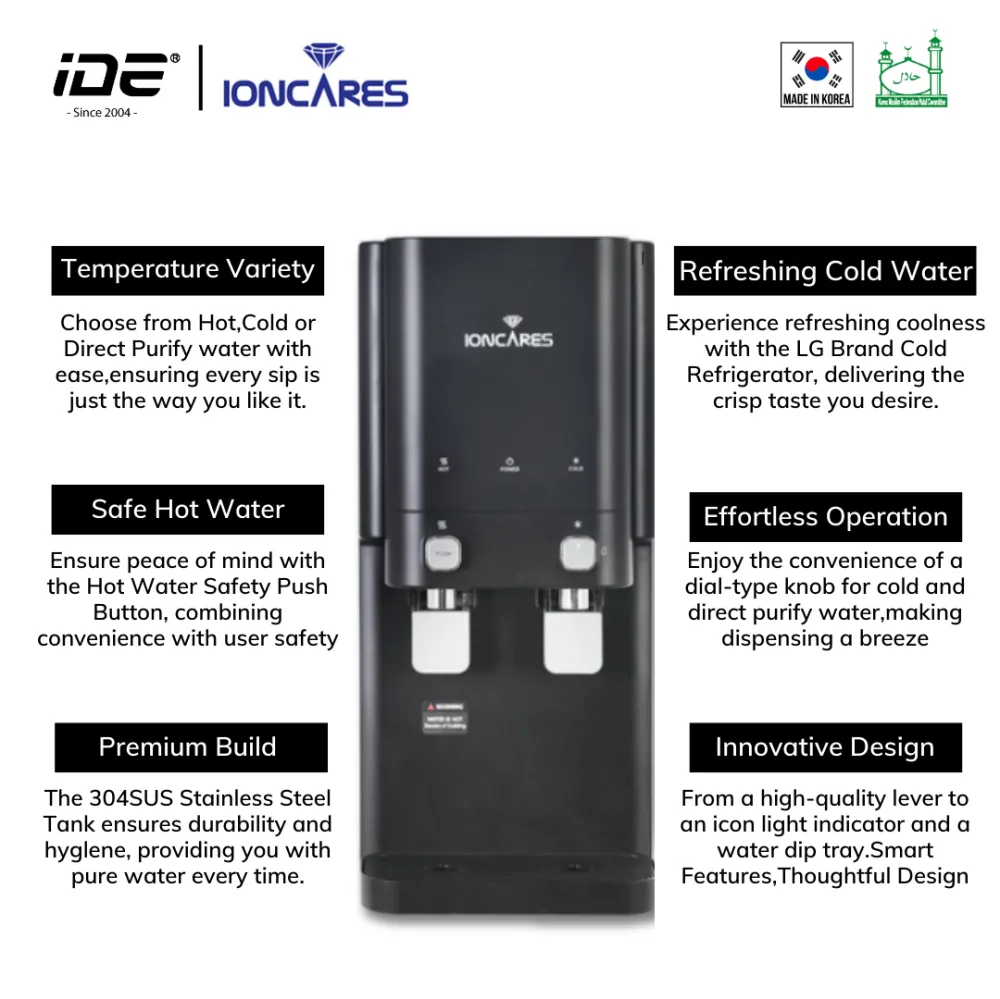
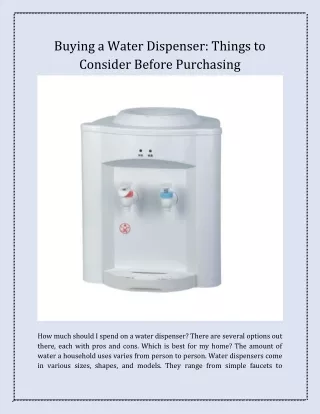
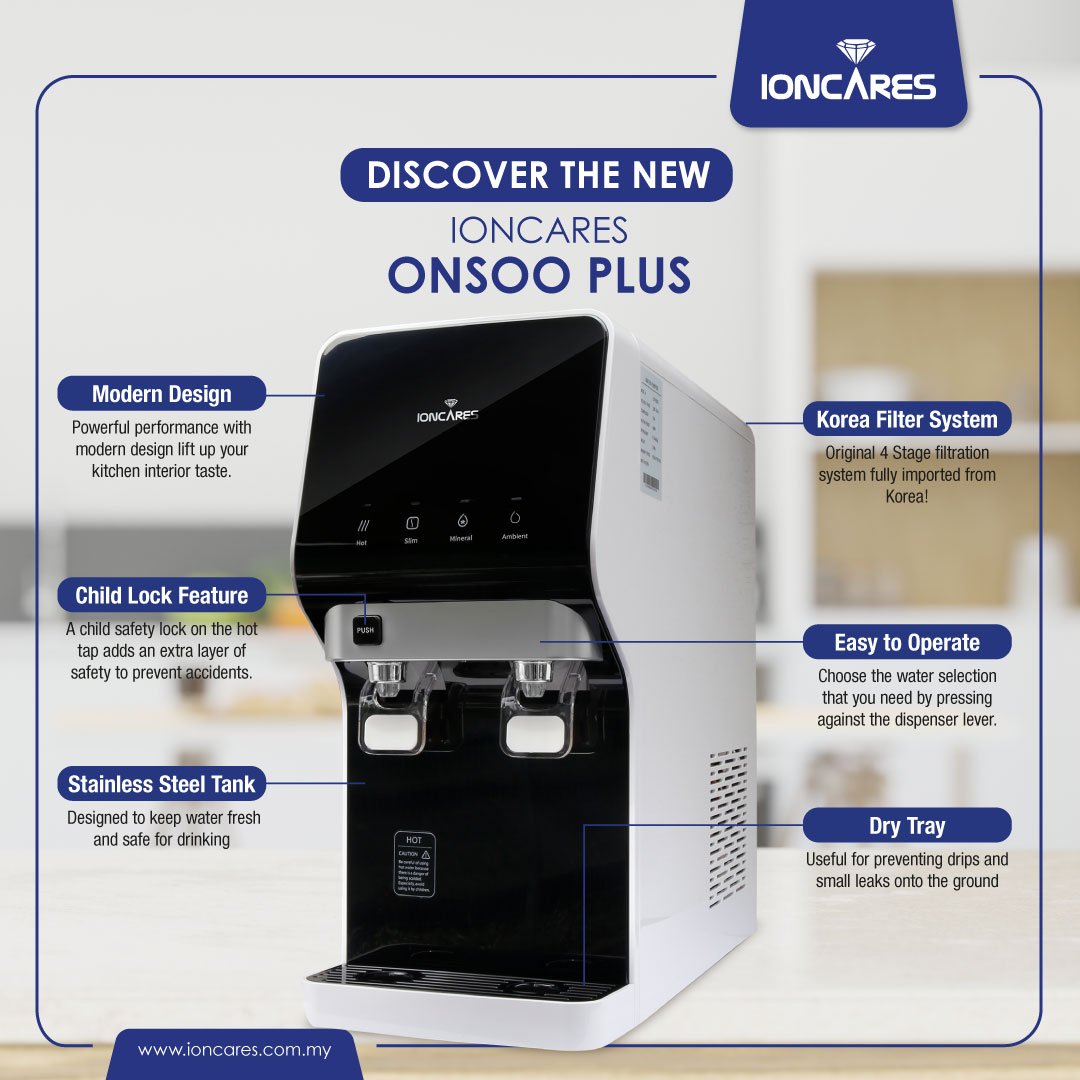
What to Consider When Buying a Water Dispenser in Johor Bahru
Johor Bahru's tropical climate makes a reliable source of clean, cool (or hot!) water not just a luxury, but a necessity. Whether you're a homeowner, a business owner, or managing an office, a good water dispenser offers unparalleled convenience. But with so many options flooding the market, how do you choose the right one for your needs in JB?
It's not just about picking the prettiest model. There are several crucial factors, especially relevant to the local environment and consumer needs in Johor Bahru, that you should consider.
Here's a comprehensive guide to help you make an informed decision:
1. Water Source & Filtration System: The JB Imperative
This is arguably the most critical factor, particularly in Johor Bahru where tap water quality can vary and is generally not directly potable.
- Direct Piping (Point-of-Use): These dispensers connect directly to your household water supply. This is highly convenient as you don't need to manually refill large water bottles.
- Bottled Water Dispenser: Requires 19-litre (or similar) bottles to be purchased and replaced. While simpler to set up, the ongoing cost and hassle of changing bottles can add up.
Filtration is Key for JB's Water: If you opt for a direct-piping system, the filtration system within the dispenser is paramount. Look for systems that offer:
- Reverse Osmosis (RO): Excellent for removing a wide range of contaminants, including heavy metals, bacteria, viruses, and dissolved solids. This is often recommended for tap water in Malaysia.
- Ultrafiltration (UF): Removes larger particles, bacteria, and some viruses, but typically leaves beneficial minerals.
- Multi-Stage Filtration: Combining sediment filters, activated carbon filters (for chlorine, taste, odour), and then RO/UF for comprehensive purification.
- Alkaline/Mineral Filters: Some systems include stages to re-mineralize the water or adjust its pH to be alkaline.
Tip for JB: Given the variability of tap water, a robust multi-stage filtration system, preferably with RO, is highly recommended for direct-piping dispensers in Johor Bahru to ensure truly clean and safe drinking water.
2. Hot, Cold, or Ambient? (Temperature Options)
Consider your household or office's typical consumption habits.
- Hot & Cold Dispenser: The most popular choice in JB. Provides instant access to chilled water (a blessing in our climate!) and hot water for coffee, tea, or instant noodles.
- Cold Only Dispenser: If you primarily need cool water and don't mind heating water separately.
- Ambient Temperature Dispenser: Less common for dispensers, but some offer plain, unchilled water.
3. Dispenser Type: Floor-Standing vs. Countertop
Your available space will dictate this choice.
- Floor-Standing: Larger units that sit on the floor, often incorporating a small storage cabinet. Ideal for offices or larger homes with dedicated space.
- Countertop: Compact units that sit on your kitchen counter or a desk. Great for smaller apartments, limited space, or personal use.
4. Capacity & Usage
How many people will be using the dispenser, and how frequently?
- Tank Size: Larger water tanks mean less waiting time for water to chill or heat up. Consider peak usage times.
- Flow Rate: How quickly does the water dispense? Important for offices or busy households.
- Usage Volume: If you have a large family or a busy office, you'll need a more robust system designed for higher throughput.
5. Maintenance & Filter Replacement
This is an ongoing commitment and cost.
- Filter Life & Cost: Research how often filters need to be replaced and their cost. Some filters last 6 months, others 12 months, etc.
- Ease of Replacement: Can you change the filters yourself, or does it require a technician?
- Service Plans: Many companies in JB offer maintenance packages that include filter replacements and scheduled servicing. This can save you hassle in the long run.
6. Energy Efficiency
A dispenser runs 24/7. Look for models with energy-saving features.
- Energy Star Rating: Check for energy efficiency labels.
- Eco Mode/Sleep Mode: Some dispensers have sensors that detect low light or inactivity and switch to an energy-saving mode.
- Individual On/Off Switches: For hot and cold functions, allowing you to turn off the heating or chilling if not needed.
7. Budget: Initial Cost vs. Running Costs
Don't just look at the upfront price.
- Initial Purchase Price: Varies widely based on brand, features, and filtration system.
- Running Costs: Includes electricity consumption and, more importantly for filtered units, the recurring cost of filter replacements. Factor in service contract fees if you opt for one.
8. Brand Reputation & After-Sales Service in JB
Reliability and support are crucial.
- Reputable Brands: Stick to well-known brands that have a good track record in Malaysia.
- Local Presence: Does the brand have an authorized dealer or service center in Johor Bahru? This is vital for quick repairs, filter replacements, and warranty claims. Read reviews from other JB residents.
- Warranty: Understand what the warranty covers and its duration.
9. Additional Features
Some features enhance convenience and safety.
- Child Safety Lock: Essential for hot water taps if you have young children.
- UV Sterilisation: An extra layer of purification to kill bacteria and viruses within the water tank.
- Self-Cleaning Function: Uses UV light or ozone to keep the water tanks clean.
- Digital Display & Controls: For precise temperature settings, filter life indicators, etc.
- Leak Detection: Some advanced models have sensors to detect leaks and shut off the water supply.
10. Design & Aesthetics
While not functional, a dispenser will be a visible appliance. Choose one that complements your home or office décor. They come in various colours, finishes, and sizes.