
What Should You Look for in a Child-Friendly Water Dispenser?
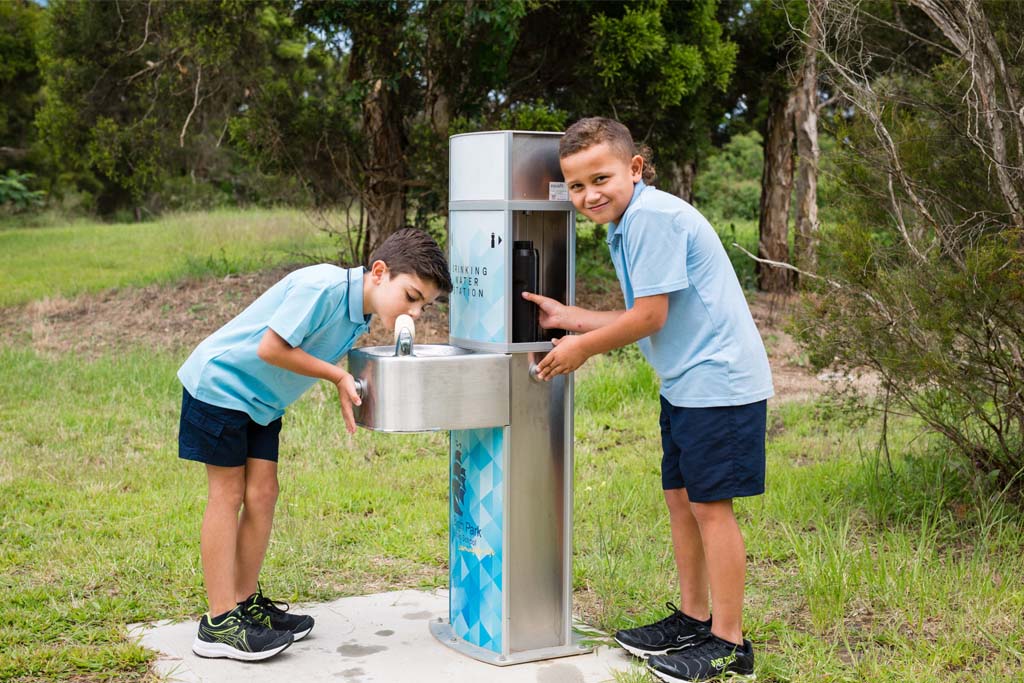
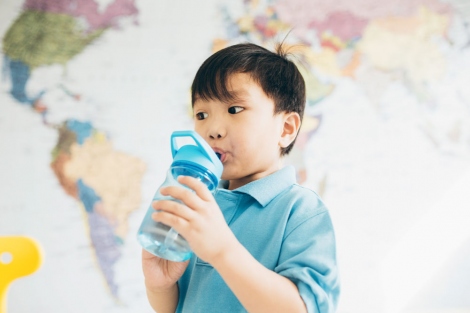

Dive In Safely: What Should You Look for in a Child-Friendly Water Dispenser?
In the quest to keep our kids hydrated, a dedicated water dispenser can be a game-changer. It encourages independence, offers easy access to clean water, and can even reduce reliance on sugary drinks.
But when little hands are involved, not just any dispenser will do. Safety, ease of use, and durability become paramount.
Thinking of installing a water dispenser for your family? Here is your essential checklist of what to look for to ensure it’s truly child-friendly.
1. Safety First: Preventing Burns and Spills
This is, without a doubt, the most important consideration, especially if you opt for a model that dispenses hot water.
Child Safety Lock for Hot Water
If your dispenser offers both hot and cold water (a common feature useful for making instant oatmeal or tea), it must have a robust child safety lock on the hot water tap. This lock should require a two-step action or significant force to activate, preventing accidental scalding from curious toddlers.
Spill-Proof Design
A good child-friendly dispenser minimizes potential mess. Look for:
- Sturdy Base: The dispenser should have a wide, stable base to prevent tipping, even if a child bumps into it or leans on it slightly.
- Drip Tray: An easily removable and large drip tray is essential for catching drips and small spills that inevitably happen when children are learning to use the system.
2. Ease of Use: Making Hydration Simple
If it’s too complicated, kids won’t use it. The best child-friendly dispensers are designed with little users in mind.
Accessible Height and Design
- Countertop Models: These are often the easiest for young children to reach without needing a stool.
- Floor Models: If you choose a floor model, ensure the dispensing mechanisms are at an appropriate height for your child (usually mid-torso level).
- Simplified Taps: Look for levers or push-buttons that require minimal pressure. Fiddly taps or complex electronic interfaces can be frustrating for small fingers.
Intuitive Operation (Clearly Labeled)
The taps should be clearly and permanently marked with colors or symbols (e.g., blue for cold, red for hot/locked) so children can quickly identify the function they want.
3. Material and Maintenance: Cleanliness is Key
A water dispenser is only as good as the water it holds, which means the materials and maintenance routine matter greatly.
BPA-Free and Food-Grade Materials
Ensure that all components that come into contact with the water—the reservoir, tubes, and taps—are made from food-grade, non-toxic materials, ideally certified BPA-free. This protects your family from potential chemical leaching.
Easy to Clean and Sanitize
Water dispensers require regular cleaning to prevent mold or bacteria buildup. Check if the model you’re considering has features like:
- Removable Parts: Can the drip tray, spouts, or internal reservoirs be easily removed for a deep clean?
- Access Points: If it’s a bottom-loading system, is the area where the bottle sits easily accessible for wiping?
4. Noise and Footprint: Fitting into Family Life
While less about safety, these practical considerations affect how well the dispenser integrates into your busy household.
Quiet Operation
Some dispensers, particularly those with strong cooling compressors, can be quite noisy when they cycle on. If the dispenser is located near a living area or bedroom, look for models advertised as "low-noise" or "silent operation."
Appropriate Size
Measure your space!
- Bottom-Loading vs. Top-Loading: Bottom-loading dispensers hide the bulky water bottle inside a cabinet, offering a cleaner look, but they are typically taller and wider. Top-loading models are sometimes slimmer but require lifting a heavy bottle onto the top.
- Countertop vs. Floor: A countertop model saves floor space but takes up valuable counter real estate.
5. Type of Filtration (For Plumbed-In Models)
If you opt for a plumbed-in (point-of-use) dispenser that connects directly to your water line, the quality of its filtration system is paramount.
Look for models that offer:
- Activated Carbon Filters: To remove chlorine, taste, and odor.
- Sediment Filters: To remove large particles.
- RO (Reverse Osmosis) Systems: If your tap water quality is poor, an RO system offers superior purity.