
What Should You Know About Water Dispensers?
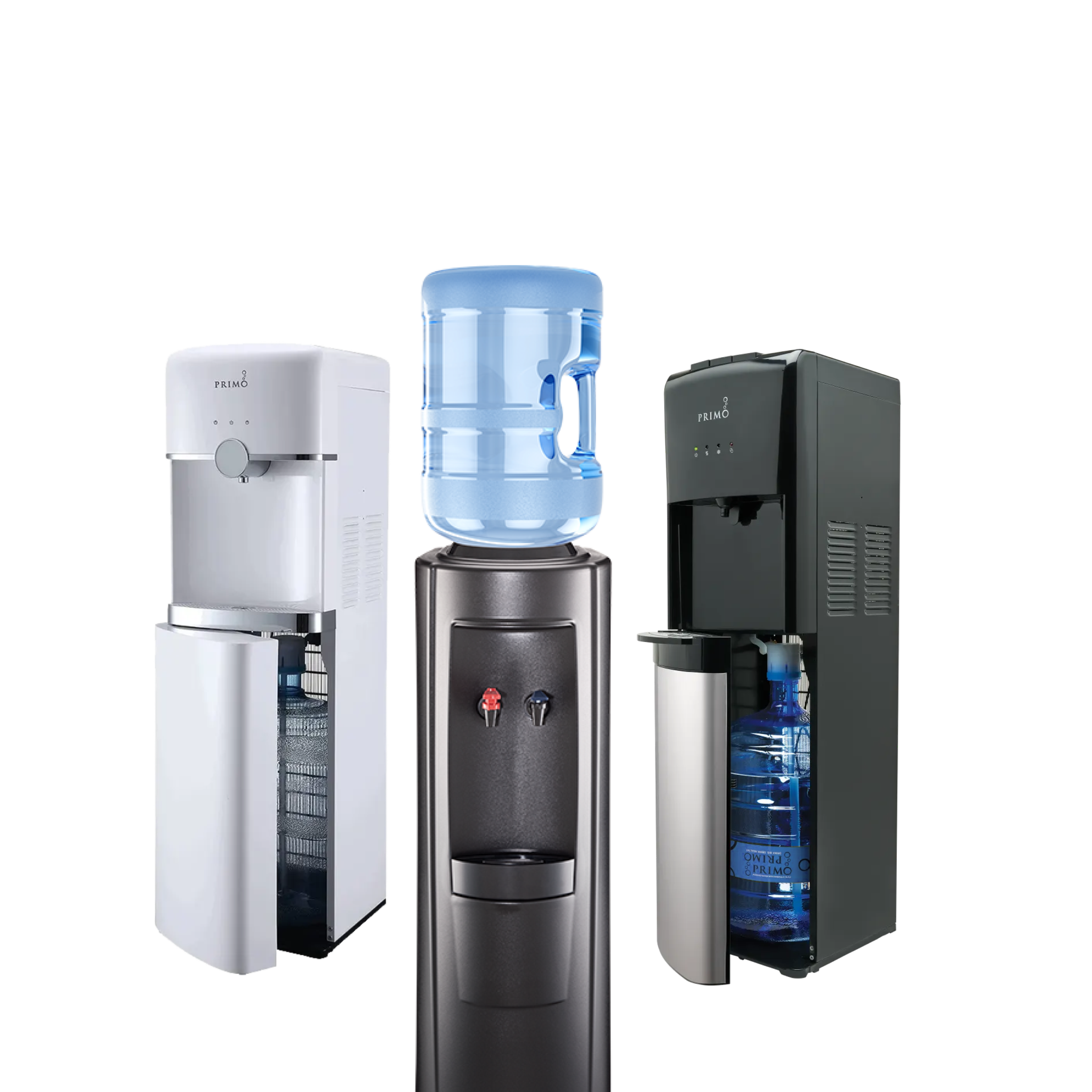
The Hydration Hero: What You Should Know Before Buying a Water Dispenser
Water dispensers are no longer just bulky appliances found in office break rooms. They have become convenient, cost-effective, and essential fixtures in modern homes, offering immediate access to perfectly chilled or piping hot water.
But if you’re considering bringing one into your space, the choices can be overwhelming. Do you go bottled or bottleless? Top-load or bottom-load? Hot and cold, or just cold?
Here is everything you need to know about water dispensers to ensure you choose the perfect fit for your hydration needs.
1. The Great Debate: Bottled vs. Bottleless
The first and most important choice you’ll make is determining how your machine will receive its water supply.
A. Bottled Water Dispensers (The Traditional Choice)
These are the classic setups where a large bottle (usually 3 or 5 gallons) is inverted and placed onto the unit.
Types of Bottled Dispensers:
- Top-Load: The most common design. The bottle sits directly on top, using gravity to feed the water into the cooling and heating tanks. The downside? You have to lift 40 pounds of water to shoulder height.
- Bottom-Load: The bottle sits neatly in the cabinet at the base of the unit. The water is drawn up via an internal pump. The upside? No heavy lifting, making this a popular choice for homes and smaller offices.
Pros & Cons:
| Feature | Pros | Cons |
|---|---|---|
| Pros | Easy setup (just plug it in). Portable (can be moved easily). | Requires physical strength to replace bottles (top-load). Requires dedicated storage space for backup bottles. |
| Cons | Water service subscriptions can be costly. | Can be environmentally wasteful if not using returnable bottles. |
B. Bottleless Dispensers (Point-of-Use or POU)
Bottleless dispensers connect directly to your building’s water line (like a refrigerator water filter). These units use internal carbon filters to purify the tap water on demand.
Pros & Cons:
| Feature | Pros | Cons |
|---|---|---|
| Pros | Unlimited supply of filtered water. No heavy lifting or bottle storage needed. | Higher initial installation cost (may require a plumber). Less portable. |
| Cons | Often include advanced filtration (RO, UV). | Filters must be replaced regularly (usually every 6–12 months). |
2. Temperature Control: Choose Your Flow
Most modern dispensers offer multiple temperature settings to simplify daily hydration and cooking tasks.
❄️ Cold Water
All dispensers offer cold water, usually cooling it down to between 39°F and 50°F. If your primary goal is to ditch bottled sodas and encourage better hydration, an accessible cold-water option is essential.
🔥 Hot Water
This feature is incredibly convenient for making tea, instant coffee, oatmeal, or quick-fix soup without waiting for a kettle to boil. Hot water is maintained at temperatures typically between 180°F and 198°F.
Safety Note: If you have children, look for dispensers equipped with a child safety lock on the hot water spout. This is a non-negotiable feature for peace of mind.
💧 Room Temperature Water
Often overlooked, room-temperature water is preferred by many people who find icy cold water hard on the stomach or teeth. This option is common on tri-temperature models.
3. Key Benefits That Make Dispensers Worth It
Beyond the obvious convenience, investing in a water dispenser offers several important advantages:
Enhanced Hydration
When clean, chilled water is accessible 24/7, you and your family are much more likely to hit those daily hydration goals. It removes the friction of having to filter water manually or wait for tap water to cool.
Environmental Friendliness
Whether you opt for a bottleless system or use large, reusable 5-gallon jugs (instead of hundreds of single-use plastic bottles), a dispenser significantly reduces your plastic waste footprint.
Improved Taste
Tap water often carries off-flavors from chlorine or pipes. Both pre-filtered bottled water and filtered POU dispensers remove these impurities, providing a crisp, clean taste that encourages consumption.
Cost Savings (Long Term)
While the initial cost of a dispenser or a filtration system may be high, the cost per gallon is generally lower than regularly purchasing packs of individual bottled water from the store.
4. Maintenance and Longevity: Keeping It Clean
A water dispenser that isn't cleaned regularly can become a haven for bacteria, mold, and mineral buildup (especially if you have hard water).
How Often Should You Clean It?
- Bottled Dispensers: For sanitary reasons, you should clean and sanitize the internal tanks and reservoir every 6 to 12 weeks.
- Bottleless Dispensers: Requires less frequent sanitation (every 6 months to a year), but the filters must be replaced according to the manufacturer’s schedule (usually every 6 months to a year).
The Cleaning Process (For Bottled Units)
- Unplug and Drain: Unplug the unit and drain all remaining water from the spigots and the drain plug at the back.
- Sanitize: Use a mild sanitizing solution—either a specialized cleaner or a mixture of 1 gallon of water and 1 tablespoon of bleach (or white vinegar for a milder solution).
- Scrub and Flush: Pour the solution into the reservoir, let it sit for 15 minutes, then scrub the inside walls. Drain the solution completely through the spigots until the smell is gone.
- Rinse: Run two large bottles of clean, fresh water through the system to ensure no cleaning agent remains.
Energy Consumption
Look for models with the Energy Star certification. These units are designed to operate efficiently, using less power to cool and heat water, saving you money on your electricity bill.