
What is the Best Water Filter for Your Health?
What is the Best Water Filter for Your Health? Separating Fact from Marketing Hype
We all agree on one thing: water is essential for life and health. But when you turn on the tap, what exactly are you drinking?
Concerns over contaminants like lead, chlorine, forever chemicals (PFAS), and microplastics have made water filtration a necessity, not a luxury. But standing in the filter aisle is overwhelming. Reverse Osmosis (RO)? Carbon Block? Gravity fed?
If you’ve been searching for the definitive answer to “What is the best water filter for my health?” the truth is slightly complicated. The best filter isn't a single product; it's the one that effectively targets the specific contaminants in your local water source while fitting your lifestyle and budget.
Here is your comprehensive guide to understanding the top water filtration technologies and how to select the best one for reaching peak health.
Step 1: Why Filtering is Non-Negotiable
While municipal tap water is generally considered safe, the infrastructure and treatment methods often leave behind unwanted guests that can impact long-term health, taste, and odor.
Common Contaminants to Watch Out For:
| Contaminant | Source | Health Impact Concern |
|---|---|---|
| Chlorine/Chloramines | Disinfectant residue | Can create harmful byproducts (THMs); poor taste/smell. |
| Lead | Old service lines/plumbing | Neurotoxicity, particularly dangerous for children. |
| PFAS/PFCs (“Forever Chemicals”) | Industrial runoff/groundwater | Linked to immune, endocrine, and reproductive issues. |
| Volatile Organic Compounds (VOCs) | Industrial solvents, pesticides | Potential carcinogens. |
| Cysts & Bacteria | Aging pipes, natural sources | Gastrointestinal illness. |
If you are unsure of your water quality, the single most important step you can take is to test your water or obtain your local Consumer Confidence Report (CCR).
Step 2: The Contenders—Filter Technologies Explained
The “best” filtration system for your health will depend entirely on what you are trying to remove. Here are the leading technologies and what they do well.
1. Activated Carbon Filters (GAC & Carbon Block)
Activated carbon is the workhorse of nearly all residential filters. It works by adsorption—contaminants stick to the highly porous carbon material.
- Best For: Improving taste and odor, removing chlorine/chloramines, sediment, pesticides, and many VOCs.
- Health Score: Excellent for addressing the most common issues (taste and chlorine byproducts).
- Formats: Found in pitchers, refrigerator filters, and most under-sink systems.
- Pros: Cost-effective, very easy to install (pitcher), and fast filtration rate.
- Cons: Does not effectively remove dissolved solids like minerals, nitrates, or heavy metals like lead (unless specifically certified as a "Carbon Block" filter).
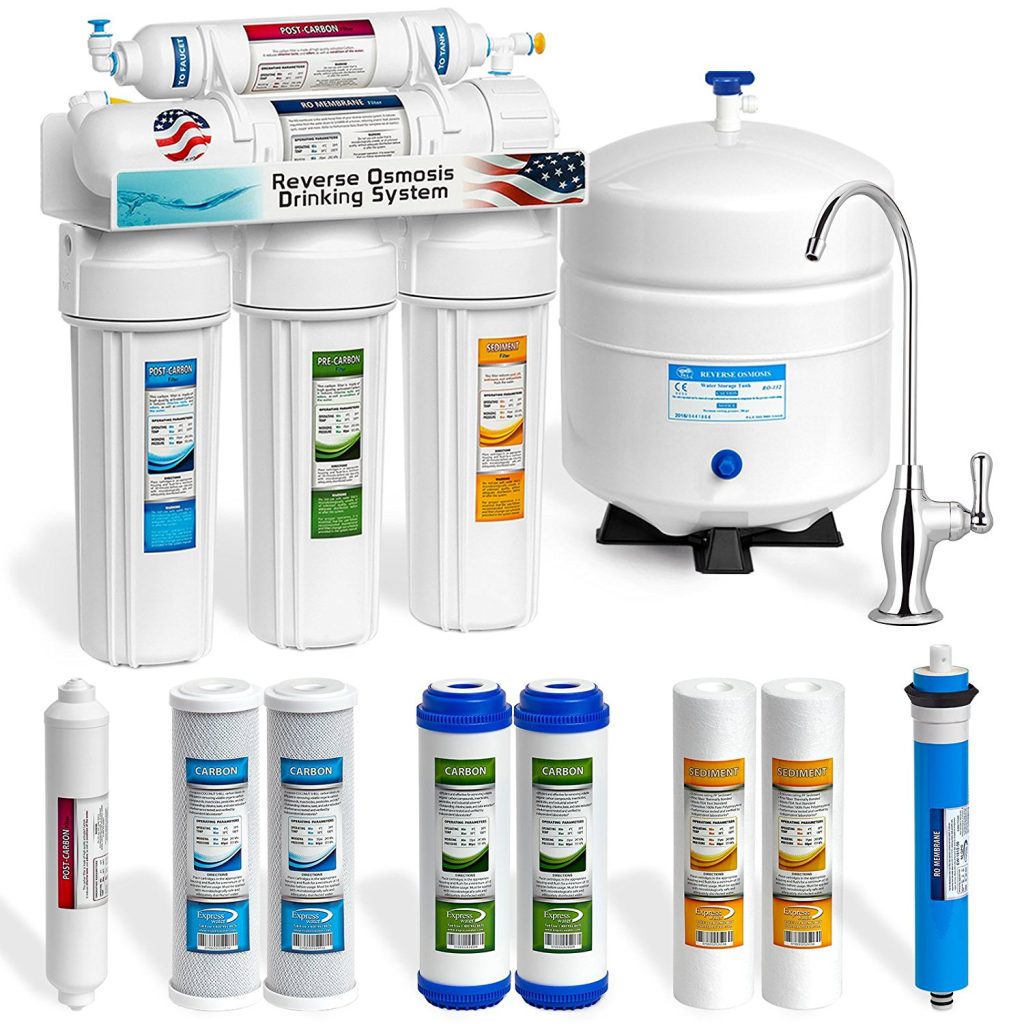
2. Reverse Osmosis (RO) Systems
RO is often considered the gold standard for purity. Water is forced under pressure through a semi-permeable membrane that catches everything larger than a water molecule.
- Best For: Removing nearly everything—including lead, nitrates, fluoride, arsenic, dissolved solids (TDS), and salts.
- Health Score: Top tier, producing water that is close to H2O only. Ideal for immune-compromised individuals or those concerned about specific heavy metals.
- Formats: Dedicated under-sink systems.
- Pros: Unmatched purity.
- Cons: Expensive, requires professional installation, very slow filtration, and wastes several gallons of water for every one produced. Crucially, it removes beneficial minerals (like calcium and magnesium), requiring many RO users to install a remineralization stage.
3. Specialty Media Filters (KDF, Ion Exchange)
These often run alongside carbon filters or as dedicated stages in RO systems.
- KDF (Kinetic Degradation Fluxion): Uses a copper/zinc medium to reduce heavy metals (e.g., lead) and control bacterial growth.
- Ion Exchange: Swaps undesirable ions (like calcium and magnesium, which cause hard water) for desirable ions (usually sodium). This is primarily used in water softeners.
- Best For: Targeted removal of specific stubborn elements (like treating hard water or reducing specific heavy metals).
4. Whole House Filters (Point-of-Entry)
A whole house system filters all the water entering your home, treating every shower, bath, and faucet.
- Best For: Treating general water quality issues across the entire home, primarily chlorine, sediment, and heavy sediment load.
- Health Score: Great for reducing skin and respiratory exposure to chlorine and VOCs released through hot shower steam.
- Pros: Comprehensive treatment, protects plumbing and appliances.
- Cons: High upfront cost and requires professional installation. Does not provide the ultra-pure drinking water quality of an RO system.
Step 3: Finding Your Personal “Best” Filter
The optimal solution depends on two factors: the problem you have and the lifestyle you lead.
Scenario A: Renter, Budget-Conscious, Focused on Taste
If your main concern is improving the taste of chlorinated tap water and getting quick access to filtered water without modifying plumbing, stick to Pitcher Filters (Certified Carbon/Charcoal) or a Countertop Pour-Through System.
- Recommendation: A high-quality carbon pitcher (e.g., those certified to remove lead and chlorine) is efficient and affordable.
Scenario B: Homeowner Concerned with Lead, Nitrates, or Fluoride
If your water test revealed specific heavy metals or difficult-to-remove chemicals like nitrates or fluoride (which carbon cannot get), you need the power of a membrane.
- Recommendation: An Under-Sink Reverse Osmosis (RO) System is the most effective solution for maximum purity. Look for systems that include a remineralization stage for health benefits.
Scenario C: Homeowner Concerned with Skin/Hair & Chlorine Exposure
If you are sensitive to chlorine and want to reduce exposure during bathing—in addition to drinking—you need broader coverage.
- Recommendation: A Combination Approach—install a dedicated Under-Sink Carbon Block or RO System for drinking water, and add a Chlorine-Reducing Showerhead Filter or a Whole House Carbon Filter to protect your skin and lungs.
Scenario D: High Contaminant Load (Well Water or Industrial Area)
If you rely on well water or live near industrial operations, contamination levels can be highly variable and severe.
- Recommendation: A Custom Multi-Stage System. This often involves pre-sediment filters, powerful Activated Carbon Blocks (certified to NSF/ANSI Standard 53 for health effects), and potentially a final RO stage for drinking.