
What is a Bio Alkaline Filter and How Does It Work?


Understanding Bio Alkaline Filters and Their Benefits for Your Health
Water is essential to life, and it's crucial that we consume clean, healthy water to maintain our overall well-being. In recent years, bio alkaline filters have gained popularity as an effective way to purify and enhance the quality of drinking water. But what exactly is a bio alkaline filter, and how does it work? In this post, we'll explore the science behind these innovative filters and their numerous benefits for your health.
What is a Bio Alkaline Filter?
A bio alkaline filter is a type of water filtration system that uses a combination of natural minerals and advanced filtration technologies to remove impurities and improve the pH balance of your drinking water. The primary goal of a bio alkaline filter is to produce alkaline water, which has a higher pH level than regular tap water. This alkaline water is believed to provide several health benefits, including better hydration, improved digestion, and increased antioxidant activity.
How Does a Bio Alkaline Filter Work?
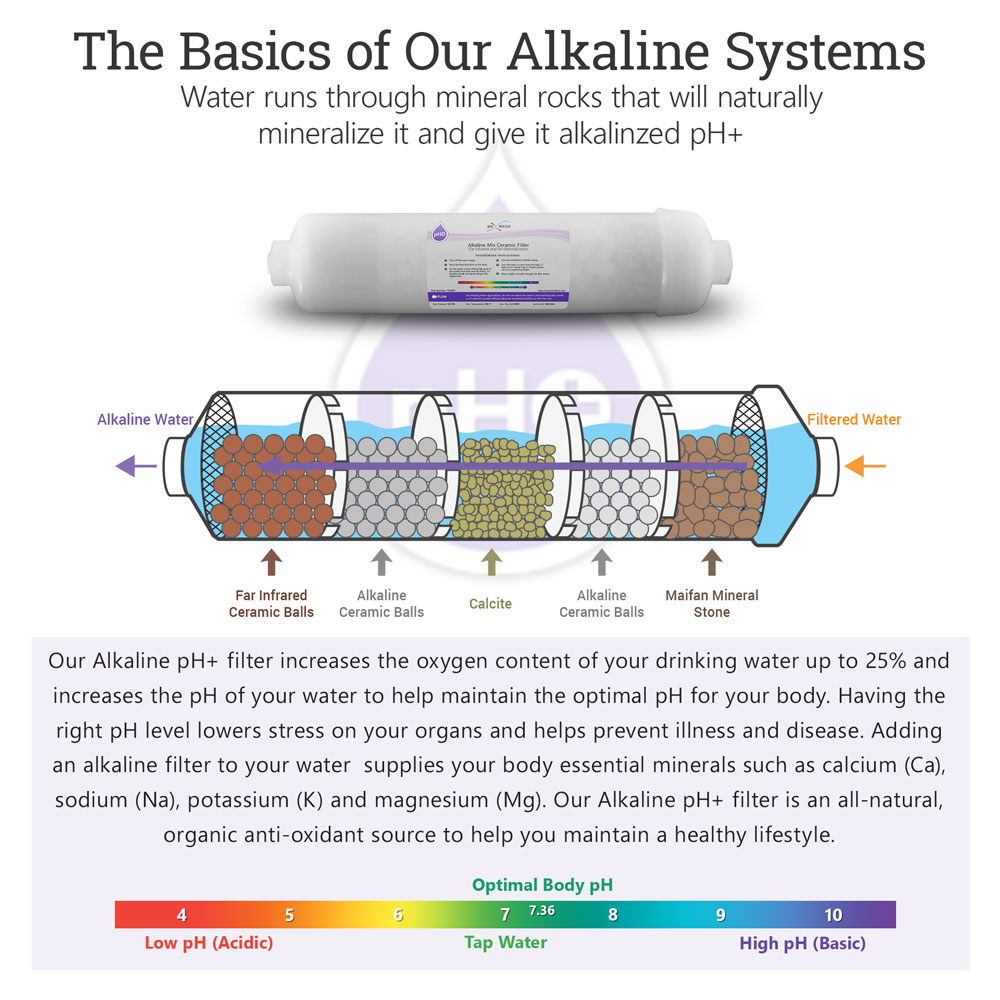
Bio alkaline filters typically consist of several layers of filtration media, including activated carbon, ceramic balls, and mineral stones. Each layer plays a specific role in the filtration process:
-
Pre-filter: The first stage of filtration removes larger particles, such as sediment and rust, from the water. This stage helps to prolong the life of the other filtration media and ensures that the water is free of visible impurities.
-
Activated carbon: The next stage of filtration involves passing the water through a bed of activated carbon. Activated carbon is highly porous and has a large surface area, which allows it to effectively absorb and remove various contaminants, including chlorine, volatile organic compounds (VOCs), and certain heavy metals.
-
Ceramic balls: After the water has been filtered through activated carbon, it passes through a layer of ceramic balls. These balls are made from a porous material that helps to further remove impurities and improve the clarity of the water. Additionally, ceramic balls can help to neutralize the taste and odor of chlorine, making the water more palatable.
-
Mineral stones: The final stage of filtration involves passing the water through a bed of mineral stones. These stones are rich in natural minerals, such as calcium, magnesium, and potassium, which help to raise the pH level of the water and create an alkaline environment. The presence of these minerals also adds a pleasant taste to the water, making it more enjoyable to drink.
Benefits of Drinking Alkaline Water
There are several potential health benefits associated with drinking alkaline water, including:
-
Improved hydration: Alkaline water has a smaller molecular structure than regular tap water, which allows it to be absorbed more easily by the body. This can lead to better hydration and improved overall health.
-
Enhanced digestion: Alkaline water can help to neutralize stomach acid and promote the production of digestive enzymes, which can improve digestion and reduce symptoms of acid reflux and indigestion.
-
Increased antioxidant activity: Alkaline water contains higher levels of antioxidants than regular tap water, which can help to neutralize free radicals and reduce oxidative stress in the body. This can lead to a reduced risk of chronic diseases, such as cancer and heart disease.
-
Better detoxification: Alkaline water can help to flush toxins from the body and support the liver and kidneys in their detoxification processes.