
What Criteria Should You Use to Find a Supplier Dispenser?
Dispensing Success: How to Choose the Right Supplier Dispenser for Your Business
Whether you are running a bustling restaurant, a multi-story commercial office building, a medical facility, or an industrial manufacturing plant, one thing remains universally true: efficiency matters.
Behind every smooth operation is a network of reliable tools, and among the most unsung heroes of daily operations is the supplier dispenser. From soap and paper towel dispensers in restrooms to industrial adhesive and liquid dispensing systems on production lines, the right dispenser reduces waste, cuts costs, and maintains hygiene or productivity standards.
However, not all dispensers—or suppliers—are created equal. Choosing the wrong one can lead to constant jams, incompatible refills, frustrated customers, and bloated budgets.
To help you make the best investment for your business, here is a comprehensive guide on the criteria you should use to find the ideal supplier dispenser.
1. Quality and Durability
A dispenser is only as good as its physical build. Depending on where it will be installed, it needs to withstand varying levels of traffic and abuse.
- Material: Are you looking for sleek brushed stainless steel for a high-end hotel lobby, heavy-duty ABS plastic for a high-traffic school restroom, or chemical-resistant materials for an industrial floor?
- Mechanism: Look for robust internal mechanisms. Cheap plastic levers or flimsy sensors break down quickly. Test the product’s lifespan expectations with the supplier before committing.
2. Compatibility and Refill Flexibility
One of the biggest traps in the dispensing industry is the "razor-and-blade" business model, where a cheap or free dispenser is provided, but you are locked into buying overpriced proprietary refills.
- Open vs. Closed Systems: Decide whether you want a closed system (only accepts the manufacturer's specific refill cartridges) or an open system (can accommodate universal refills).
- Cost of Ownership: Always calculate the total cost of the dispenser plus its ongoing consumables. Sometimes, a slightly more expensive dispenser that uses universal, lower-cost refills will save you a fortune in the long run.
3. Hygiene and User Experience
In a post-pandemic world, users are more conscious than ever about cleanliness and touchpoints.
- Touchless vs. Manual: Automatic, motion-activated dispensers reduce cross-contamination and are often perceived as more modern and hygienic. However, they require reliable battery life or hardwiring.
- Ease of Use: Can children, the elderly, or workers wearing gloves operate the dispenser effortlessly? If a dispenser is frustrating to use, compliance drops—meaning people won't wash their hands or use the necessary materials properly.
4. Efficiency and Waste Reduction
A good dispenser should pay for itself by controlling consumption.
- Portion Control: Look for dispensers with adjustable shot sizes, timed delays, or controlled-pull mechanisms. For soap, sanitizer, paper towels, or industrial adhesives, a controlled output prevents users from taking excessive amounts, drastically reducing waste.
- Low-Product Indicators: Features like translucent windows or LED low-level indicators ensure your maintenance staff knows when to restock, preventing empty dispensers and user frustration.
5. Maintenance and Servicing
Time is money, and your maintenance team shouldn't spend all day fixing jammed paper towels or troubleshooting dead batteries.
- Ease of Reloading: How difficult is it to load a new roll, pouch, or cartridge? A good design allows for quick, intuitive reloading by non-technical staff.
- Locking Mechanisms: To prevent vandalism, theft of internal contents, or tampering, the dispenser should feature a secure locking mechanism that is easily opened with a universal key by your staff.
6. Supplier Reliability and Support
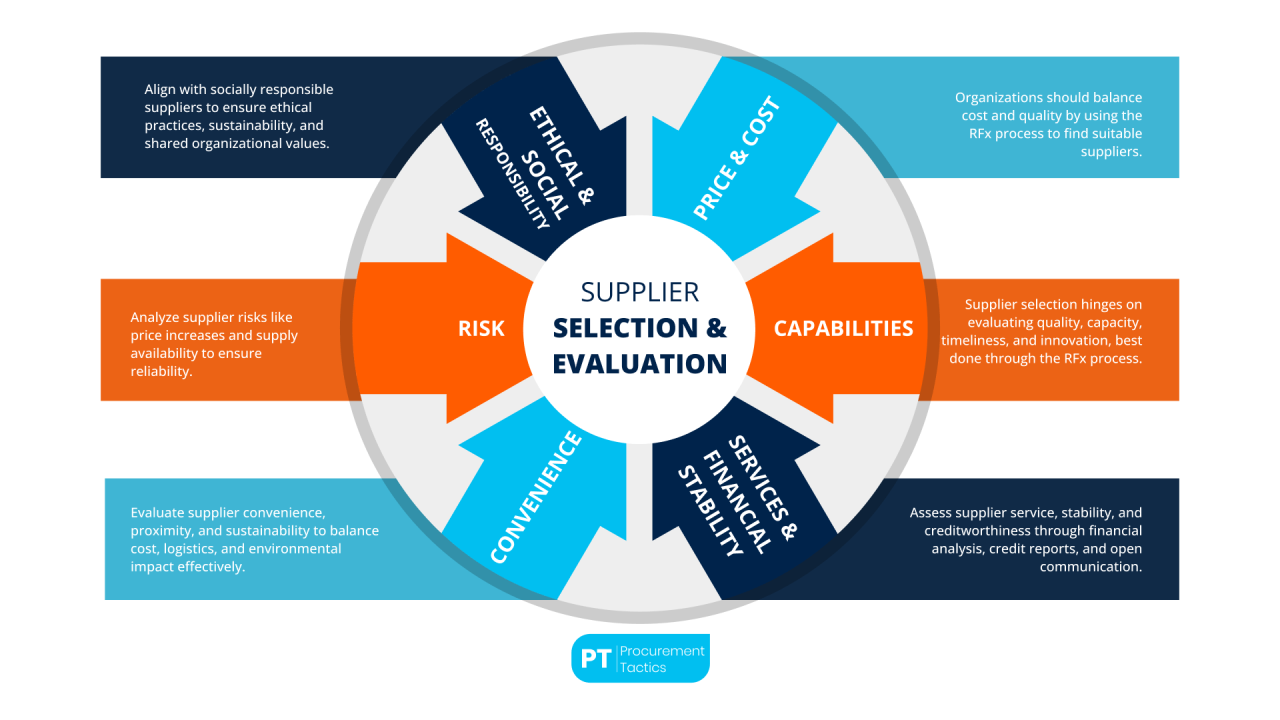
You aren't just buying a piece of hardware; you are entering a relationship with a supplier. Evaluate the supplier using the following criteria:
- Stock Availability: Can they guarantee a steady supply of both the dispensers and their refills? Supply chain bottlenecks can leave your facilities stranded.
- Warranty and Customer Service: What kind of warranty comes with the hardware? If a unit fails within six months, will they replace it promptly?
- Scalability: Can the supplier grow with your business if you expand to multiple locations?