
What Contaminants Can a Water Filter Remove?
What Contaminants Can Your Water Filter Truly Remove?
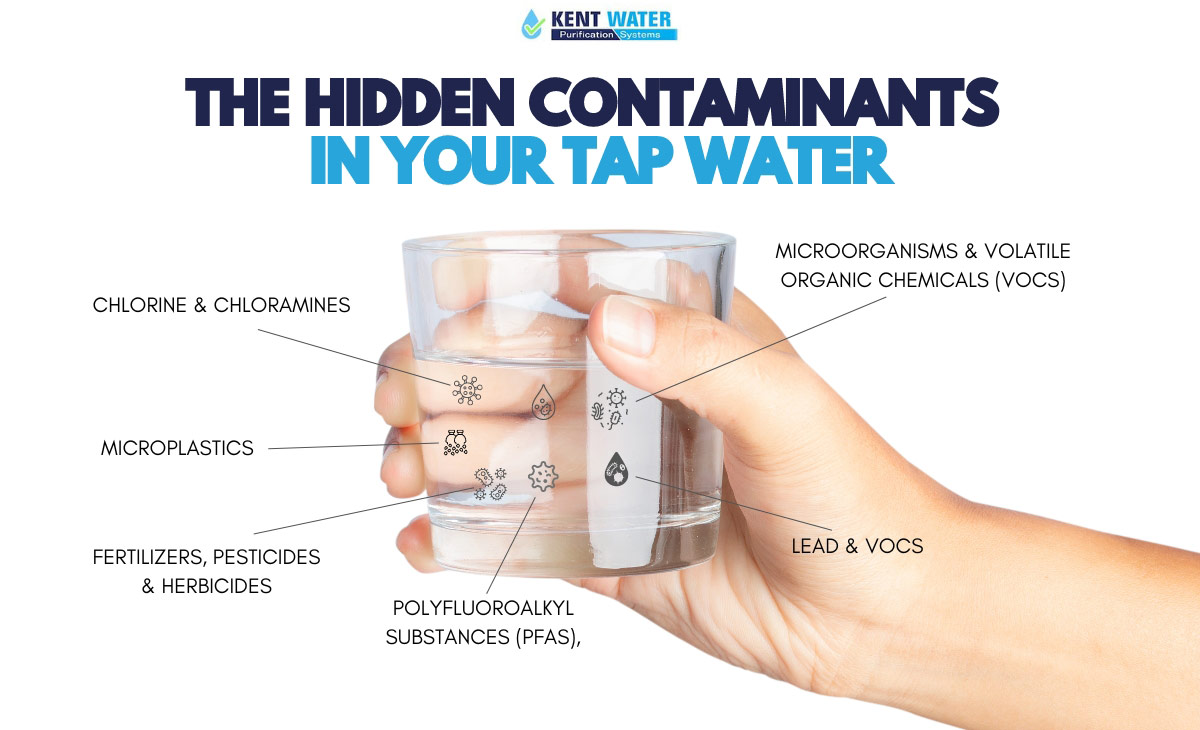
We all want clean, safe drinking water. We turn on the tap, fill a glass, and largely trust that what comes out is good for us. But the truth is, even treated municipal water can contain a variety of contaminants, and well water adds another layer of complexity.
That's where water filters come in. But with so many types on the market, it's easy to wonder: what exactly are these systems capable of removing? While no single filter can remove every possible contaminant, understanding the technologies involved can empower you to choose the right solution for your home.
Let's dive into the common culprits and which filters are designed to tackle them.
The Big Categories of Contaminants & Their Filter Solutions:
1. Aesthetic Contaminants (Taste, Odor, Sediment)
These are the most noticeable issues. While not always a direct health threat, they certainly make water less enjoyable.
- Chlorine/Chloramines: Used to disinfect municipal water, but leaves an unpleasant chemical taste and smell.
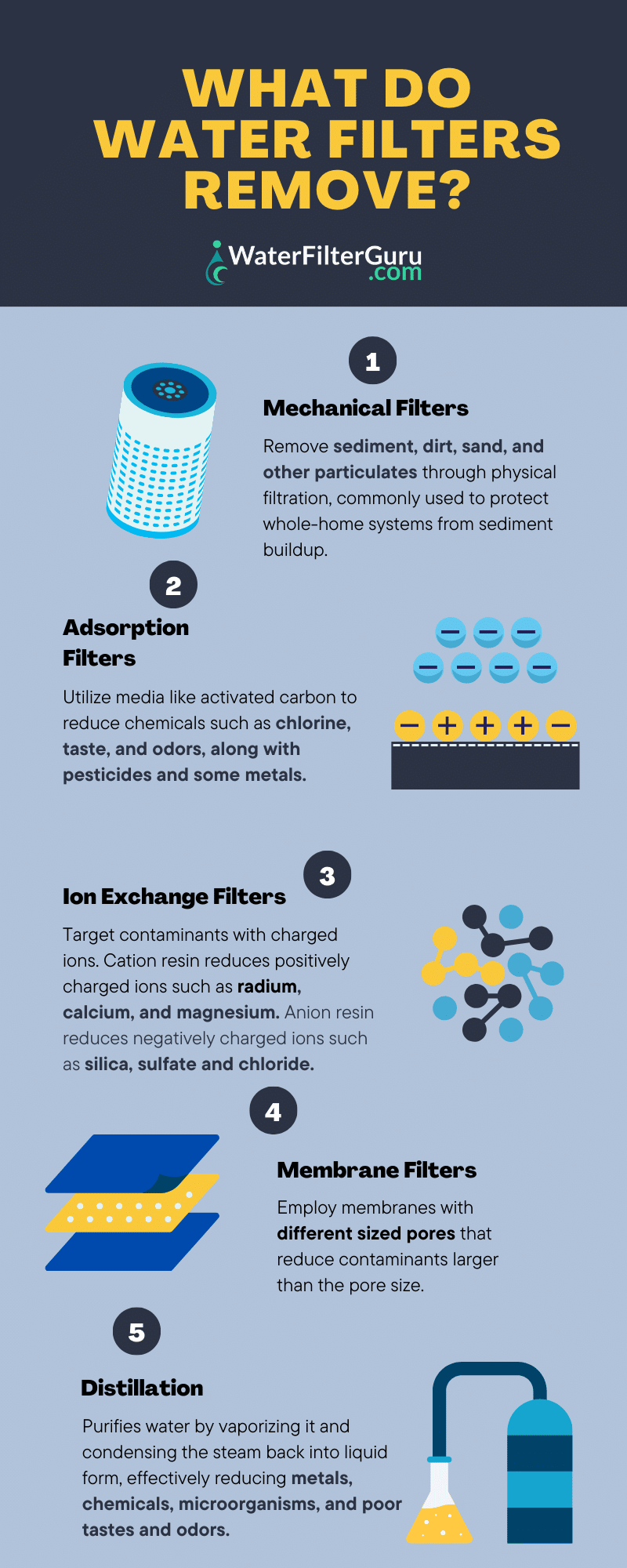
- Filter Solution: Activated Carbon (Granular or Block) is king here. Its porous surface adsorbs chlorine, chloramines, and their byproducts, significantly improving taste and odor.
- Sediment (Sand, Silt, Rust, Dirt): Creates cloudy water and can clog pipes and appliances.
- Filter Solution: Sediment Filters (often polypropylene, pleated, or string-wound) are designed specifically to trap these larger particles. They're often the first stage in multi-stage systems to protect other, more sensitive filters.
- Hydrogen Sulfide: Causes a "rotten egg" smell.
- Filter Solution: Activated Carbon can help, but for severe cases, specialized aeration systems, manganese greensand filters, or oxidation filters might be needed.
2. Chemical Contaminants (Health-Related)
These are often invisible, tasteless, and odorless, making them more insidious.
- Heavy Metals (Lead, Mercury, Copper, Arsenic, Cadmium): Leached from old pipes, industrial processes, or natural deposits, these can cause serious health issues.
- Filter Solution: Reverse Osmosis (RO) systems are highly effective at removing a wide range of heavy metals. Specialized ion-exchange resins and certain types of activated carbon blocks can also target specific metals like lead.
- Volatile Organic Compounds (VOCs): These include industrial solvents, petroleum products, and byproducts of chlorine disinfection (like Trihalomethanes or THMs). They can be carcinogenic.
- Filter Solution: High-quality Activated Carbon (especially carbon block filters) is excellent at adsorbing VOCs and THMs. Reverse Osmosis systems also remove VOCs.
- Pesticides & Herbicides: Runoff from agriculture can contaminate water sources.
- Filter Solution: High-grade Activated Carbon (both granular and block) and Reverse Osmosis systems are effective against many common pesticides and herbicides.
- Per- and Polyfluoroalkyl Substances (PFAS/PFOA/PFOS): "Forever chemicals" linked to various health concerns.
- Filter Solution: Granular Activated Carbon (GAC), especially when designed for PFAS removal, and Reverse Osmosis systems are currently the most effective technologies for reducing PFAS in drinking water. Specialized ion-exchange resins are also emerging.
- Pharmaceuticals & Endocrine Disruptors: Traces of medications and hormones can enter water supplies.
- Filter Solution: Activated Carbon filters (especially advanced block filters) and Reverse Osmosis systems can significantly reduce many pharmaceutical compounds.
3. Biological Contaminants (Microorganisms)
Crucial for well water users or those concerned about waterborne illnesses.
- Bacteria (E.coli, Salmonella):
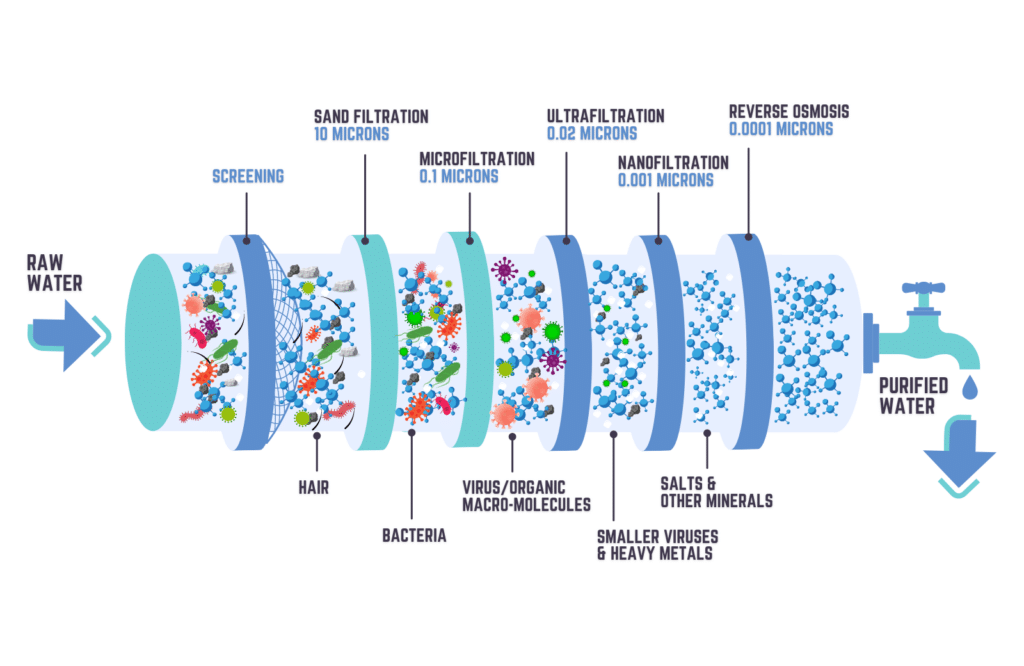
- Filter Solution: Reverse Osmosis (RO), Ultrafiltration (UF), Ceramic Filters (with small enough pore sizes), and UV Sterilization are all effective against bacteria. UV doesn't remove the particles but deactivates the organisms.
- Viruses (Norovirus, Rotavirus):
- Filter Solution: Reverse Osmosis (RO) and UV Sterilization are the primary methods for removing or inactivating viruses. Ultrafiltration can also be effective, depending on pore size.
- Cysts/Protozoa (Giardia, Cryptosporidium): These are larger than bacteria and viruses and are resistant to chlorine.
- Filter Solution: Reverse Osmosis (RO), Ultrafiltration (UF), Ceramic Filters (absolute micron rating of 0.5 or less), and UV Sterilization are all highly effective. Activated carbon can also trap cysts if it has a small enough pore size.
4. Dissolved Solids & Minerals
These encompass a wide range of substances, including beneficial minerals and elements that contribute to "hard" water.
- Total Dissolved Solids (TDS): Refers to all inorganic and organic substances dissolved in water. High TDS can affect taste and indicate the presence of other contaminants.
- Filter Solution: Reverse Osmosis (RO) systems are the most effective at reducing TDS by up to 99%.
- Hardness Minerals (Calcium, Magnesium): Cause scale buildup in pipes and appliances, responsible for "hard" water.
- Filter Solution: Water Softeners (using ion exchange) specifically target calcium and magnesium. RO systems will also remove these, but are generally not used solely for water softening.
- Fluoride: Added to municipal water for dental health, but some prefer to remove it.
- Filter Solution: Reverse Osmosis (RO) is very effective at removing fluoride. Specialized activated alumina filters can also be used. Standard activated carbon filters typically do not remove fluoride