
What Are the Different Types of Dispensers Available?

From Touchless Tech to Tabletop Solutions: What Are the Different Types of Dispensers Available?
Dispensers are the quiet heroes of efficiency, hygiene, and portion control. Whether you’re running a bustling restaurant, managing a hospital, or simply trying to keep your kitchen tidy, the right dispenser can minimize waste, reduce costs, and drastically improve sanitation standards.
But the world of dispensing goes far beyond the basic pump bottle. Modern technology offers an array of options customized for specific substances, environments, and usage demands.
Here is a comprehensive look at the different types of dispensers available, categorized by how they work and what they hold.
Category 1: Grouped by Activation Method
The mechanism used to activate the dispenser fundamentally impacts cost, reliability, and most importantly, hygiene.
1. Manual Dispensers (The Standard)
Manual dispensers require physical force—a press, a pull, or a twist—to release the product. They are the most common and often the most budget-friendly option.
| Type | Mechanism | Best Used For | Pros & Cons |
|---|---|---|---|
| Pump/Plunger | A piston pushes fluid up and out (e.g., standard hand soap bottle). | Soap, lotion, liquid condiments. | Pro: Highly reliable, low cost. Con: High risk of cross-contamination. |
| Lever-Action | A horizontal lever is pushed down or pulled forward. | Industrial hand cleaner, paper towel rolls. | Pro: Easy to operate even with dirty hands. Con: Requires moderate physical effort. |
| Crank/Knob | A dial or crank is turned to feed out the material. | Paper towel rolls, plastic wrap, bulk granule dispensers (e.g., coffee beans). | Pro: Good for measured release of solids/sheets. |
2. Automatic (Touchless) Dispensers
Automatic dispensers utilize infrared sensors to detect a hand or object placed near the nozzle, releasing a pre-measured dose without physical contact. These exploded in popularity post-2020 due to their superior hygiene benefits.
- Mechanism: Motion sensor (IR or proximity sensor) triggers a battery-powered motor or solenoid valve.
- Best Used For: Hand sanitizer (gel or spray), foam soap, paper towels, and certain medical applications.
- Pros: Maximizes hygiene, looks professional, controls portions efficiently.
- Cons: Higher initial cost, requires battery replacement/charging, can sometimes fail if the sensor gets dirty.
3. Specialized Non-Contact Dispensers
These are variations designed for specific high-hygiene or bulk-dispensing environments:
- Foot-Operated Dispensers: Often used for hand sanitizing stations in high-traffic areas where electricity is unavailable or maximum non-contact is needed. A pedal is pressed by the foot to release the product.
- Elbow/Forearm Dispensers: Common in medical settings (laboratories, hospitals) where hands must remain sterile. The user pushes an oversized lever with their elbow or forearm.
Category 2: Grouped by Application (What They Hold)
Dispensers are often classified by the medium they are designed to handle, dictating the materials and internal mechanism required.
A. Hygiene and Janitorial Dispensers
This is arguably the most recognized category, focused on cleanliness in bathrooms, kitchens, and public spaces.
1. Soap and Sanitizer Dispensers
Dispensing liquid hygiene products requires mechanisms that can handle varying viscosities (thicknesses).
- Liquid Soap Dispensers: The standard type, handling thicker gels and liquids. Available in manual pump, lever, and automatic sensor types.
- Foam Soap Dispensers: These look similar to liquid dispensers but have a critical internal difference. They mix the liquid soap concentrate with air as it is pumped out, creating a rich foam. This saves significantly on soap volume and water usage.
- Gel vs. Spray Sanitizer Dispensers: Gel dispensers use a standard pump, while spray dispensers use a specialized nozzle and often higher pressure to atomize thinner liquid sanitizer.
2. Paper and Towel Dispensers
These devices manage the efficient storage and distribution of paper products, ensuring they remain clean and dry.
- Roll Towel Dispensers (Manual & Automatic): Store long rolls of paper. Automatic versions often cut the sheet to a standard length when the sensor is activated, minimizing waste. Manual versions may use a lever or crank, or feature a simple tear-off mechanism.
- Folded Towel Dispensers (C-Fold, Z-Fold, Multi-Fold): These hold stacks of pre-folded paper. They rely on gravity and friction; when one towel is pulled, the next one drops into place.
- Toilet Tissue Dispensers: Designed to maximize paper availability, often holding two large rolls to reduce frequency of refilling.
B. Food and Beverage Dispensers
In hospitality, retail, and food manufacturing, dispensers are crucial for maintaining food freshness, portion control, and streamlined service.
1. Bulk Food Dispensers
These are used for items that need to be poured or scooped in controlled amounts, often found in self-service breakfast bars, candy stores, or bulk food sections.
- Gravity/Paddle Dispensers: Common for cereal, coffee beans, nuts, and dry snacks. A twist of a handle or pull of a paddle releases a measured amount by gravity into a container below.
- Topping Dispensers: Used in ice cream parlors or bakeries for sprinkles, cookie pieces, or sauces.
2. Condiment Dispensers
Designed to replace messy bottles, these offer sanitary and fast service for sauces.
- Condiment Pump Dispensers: Large-format pumps used for ketchup, mustard, mayonnaise, or salad dressings in commercial kitchens and fast-food counters. They ensure accurate portion size (e.g., a half-ounce burst).
- Squeeze Bottle Stations: Often used for specialty syrups or thin sauces, where the bottle is inverted into a holder, ready for immediate use.
3. Drink Dispensers
These handle large volumes of liquids for quick, consistent service.
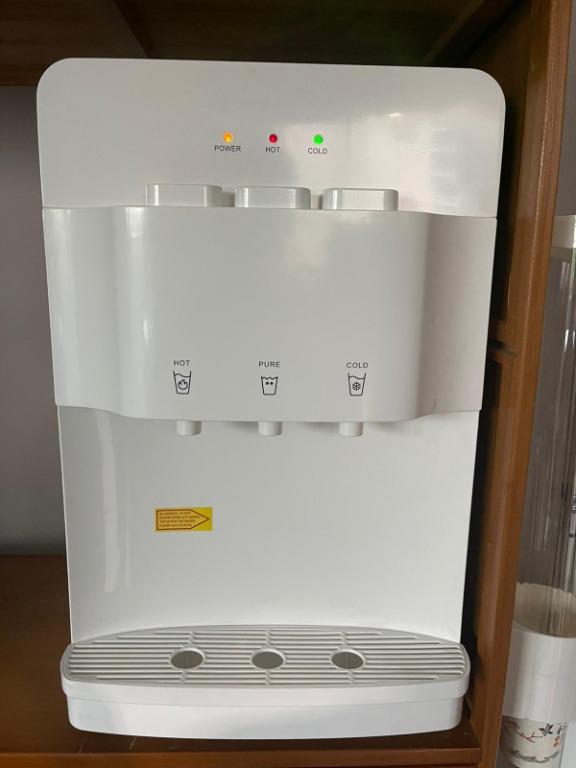
- Water Cooler Dispensers: Feature separate taps for hot and cold water.
- Soda Fountains and Post-Mix Dispensers: Common in restaurants, these mix concentrated syrup with carbonated water upon activation.
- Juice and Milk Dispensers: Used in buffets and cafeterias, often utilizing chilled compartments to keep contents fresh.
C. Industrial and Specialized Dispensers
These are used in professional settings where high accuracy, safety, and durability are paramount.
- Chemical/Detergent Dispensers: Found in laundromats, janitorial closets, or manufacturing plants. They accurately measure and mix concentrated cleaning chemicals with water to create the correct dilution needed for safe and effective use.
- Pill and Medication Dispensers: Highly specific devices designed to organize and dispense precise doses of medication, crucial for patient safety in healthcare or home health environments.
- Tape/Label Dispensers: While not dispensing a substance, these devices cut and present adhesive materials (like packing tape or product labels) efficiently, speeding up packaging and assembly processes.