
Save Water: Strategies for Lowering Dispenser Consumption
Beyond the Bottle: 7 Strategies for Drastically Lowering Your Water Dispenser Consumption
Water dispensers—whether plumbed-in fountains, chilled refill stations, or classic five-gallon coolers—are essential fixtures in offices, schools, and public spaces. They provide crucial hydration and often represent a greener alternative to single-use plastic bottles.
But even the most efficient dispenser can contribute significantly to water waste, energy consumption, and inflated utility bills if not managed properly. From the silent drip of a faulty faucet to inefficient cooling cycles, the waste can be invisible until you calculate the cumulative cost.
If your organization is serious about sustainability and lowering operational costs, addressing dispenser consumption is a crucial step. Here are seven actionable strategies you can implement today to save water where you drink it.
1. Implement a Zero-Tolerance Policy for Leaks
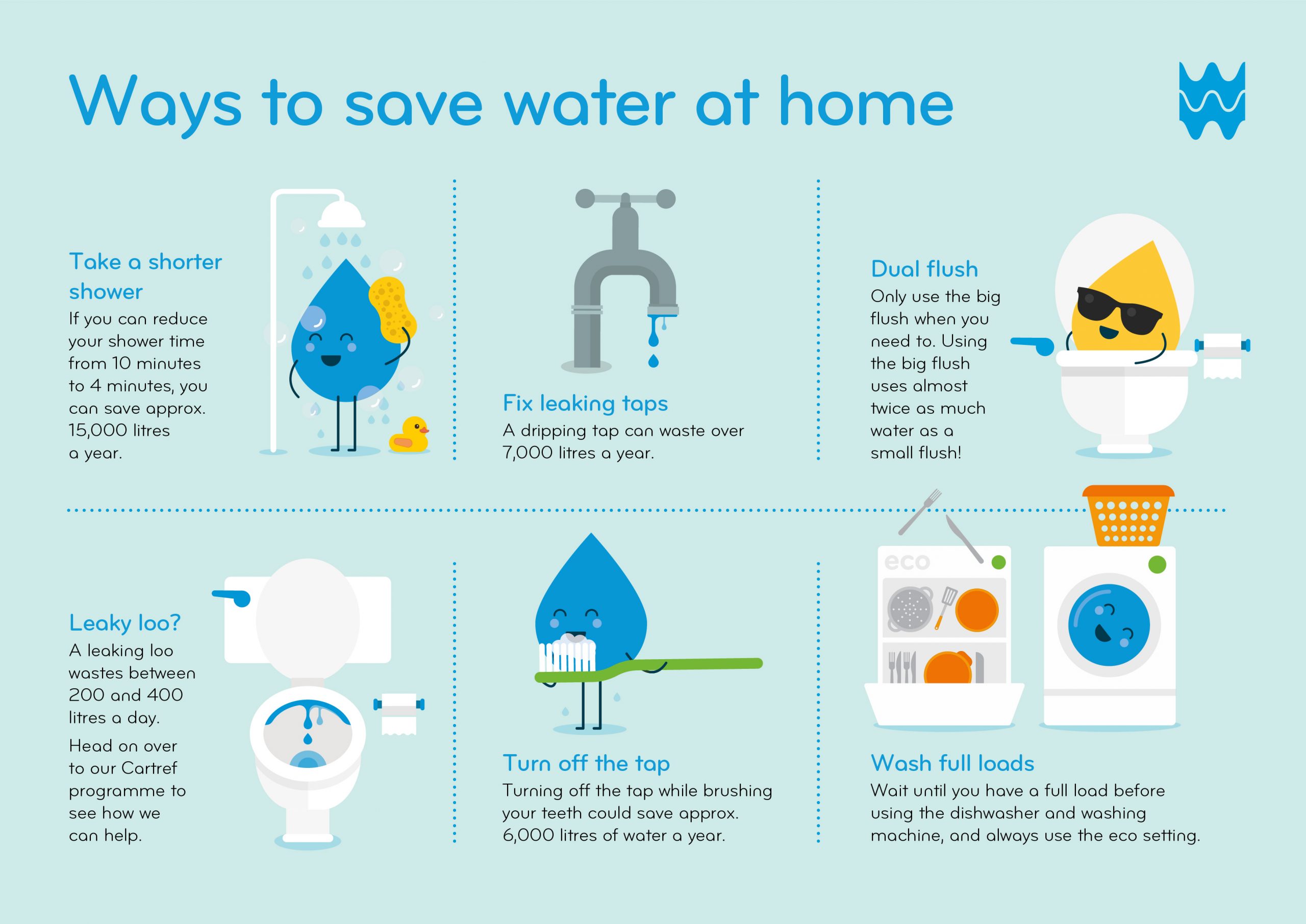
The most obvious source of wasted water is the slow, relentless drip. A faucet that drips once per second can waste over 3,000 gallons of water per year. In a high-traffic environment, this waste is compounded by multiple units.
The Strategy:
- Establish a Reporting System: Ensure employees or users know exactly how and whom to report a leak to—immediately.
- Routine Checks: Maintenance staff should include a detailed inspection of all dispenser fittings, faucets, and drain pans during routine walkthroughs.
- Check the Drain Pan: For plumbed-in systems, check the internal drain pan. If it’s filling up quickly, it signals an internal leak or overflow issue that needs professional attention.
2. Optimize Temperature Settings and Usage
Most modern water dispensers heat and cool water around the clock, regardless of actual demand. This constant cycling consumes energy (which often requires water to produce) and can, in some cases, strain the cooling system, leading to inefficient operation.
The Strategy:
- Use Timers/Smart Plugs: For non-essential periods (nights, weekends, holidays), place dispensers on smart timers that can shut off the heating and cooling elements. The water will still be safe to drink, but the energy waste stops.
- Adjust Default Temps: Do you truly need ice-cold water or piping-hot water? Slightly raising the cold temperature and slightly lowering the hot temperature can significantly reduce the energy needed for constant cycling.
3. Prioritize Reusable Bottles Over Shared Cups
Disposable cups often encourage overfilling and residual waste. When a person grabs a small, paper cup, they are more likely to take two full cups (one they drink, and one they spill or discard half-full) than if they are filling a personal vessel.
The Strategy:
- Provide Quality Mugs/Bottles: Invest in branded, reusable bottles for employees or students. This pays for itself quickly in reduced paper cup expenses and minimized water waste.
- "Mug Stations": Set up clear, clean areas near the dispensers where users are encouraged to store their personal mugs.
- Install Bottle Fillers: Upgrade older fountains to modern bottle-filler units. These units often feature an automatic shut-off and are designed to minimize splashing and overflow, reducing wasted water on the floor or in the drain.
4. Evaluate Dispenser Placement and Accessibility
Where you place your dispensers influences how efficiently they are used. Poor placement can lead to unnecessary waste due to factors like heavy traffic, temperature exposure, or distance from necessary drainage.
The Strategy:
- Avoid Direct Sunlight: Placing a cooler in direct sunlight forces the chilling unit to work harder (consuming more energy and creating more heat—a cycle that requires more water).
- Centralize and Cluster: If possible, cluster hydration stations near sinks and maintenance access points. This makes refilling and cleaning easier, and encourages users to empty excess water into a separate sink instead of directly down the drain catch.
- Clear the Area: Ensure users have enough space to fill their bottles comfortably without rushing or bumping, which reduces common spills.
5. Switch to Point-of-Use (POU) Systems Where Feasible
Bottled water coolers require transportation, manufacturing of plastic bottles, and sometimes suffer from inefficiencies when residual water is left behind in a "finished" bottle. POU systems utilize existing plumbing, filtering and chilling the municipal water source directly.
The Strategy:
- Long-Term Cost Analysis: While POU systems require installation, they eliminate the recurring cost of bottle ordering, delivery, and storage. They are also inherently more water-efficient because they tap into a continuous, filtered supply rather than relying on pre-bottled sources.
- Regular Filter Changes: Ensure the filters and sterilization components (like UV lights) are changed on schedule. Clean water encourages proper usage and prevents users from seeking alternative, less efficient water sources.
6. Monitor and Meter Water Usage (The Data Approach)
You cannot manage what you do not measure. If your dispensers are plumbed into the mains, installing sub-meters or smart monitoring devices can provide invaluable data on actual consumption.
The Strategy:
- Identify Peak Waste Times: Monitoring allows you to see if consumption spikes during certain hours, signaling a potential leak or a behavioral issue (e.g., users leaving the tap running while talking).
- Set Baselines and Goals: Once you know your current usage, you can set tangible reduction goals (e.g., "Reduce dispenser water usage by 10% within the next quarter"). Publicly tracking this progress can motivate users.
7. Educate Users with Clear Signage
Behavioral change is often the easiest and cheapest strategy to implement. Simple, well-placed signage can serve as a constant reminder to be mindful of water usage.
The Strategy:
- "Fill to the Brim, Drain to the Sink": Remind users to fully fill their reusable container once, and if they have excess water, to pour it into a nearby sink or plant, not down the dispenser's drain pan (which can be hard to empty).
- Leak Reporting Instructions: Post clear instructions next to the dispenser detailing how to report leaks immediately.
- Sustainability Scoreboard: If you are tracking water savings, post the results near the dispenser. Seeing real, tangible figures encourages community responsibility.