
Keep Kids Hydrated: The Ultimate Water Dispenser Guide
Keep Kids Hydrated: The Ultimate Water Dispenser Guide for Happy, Healthy Kids
We’ve all been there: the afternoon slump, the sudden irritability, the inability to focus after school. Before you reach for a sugar-filled snack, ask yourself (and your child) one crucial question: Have they had enough water today?
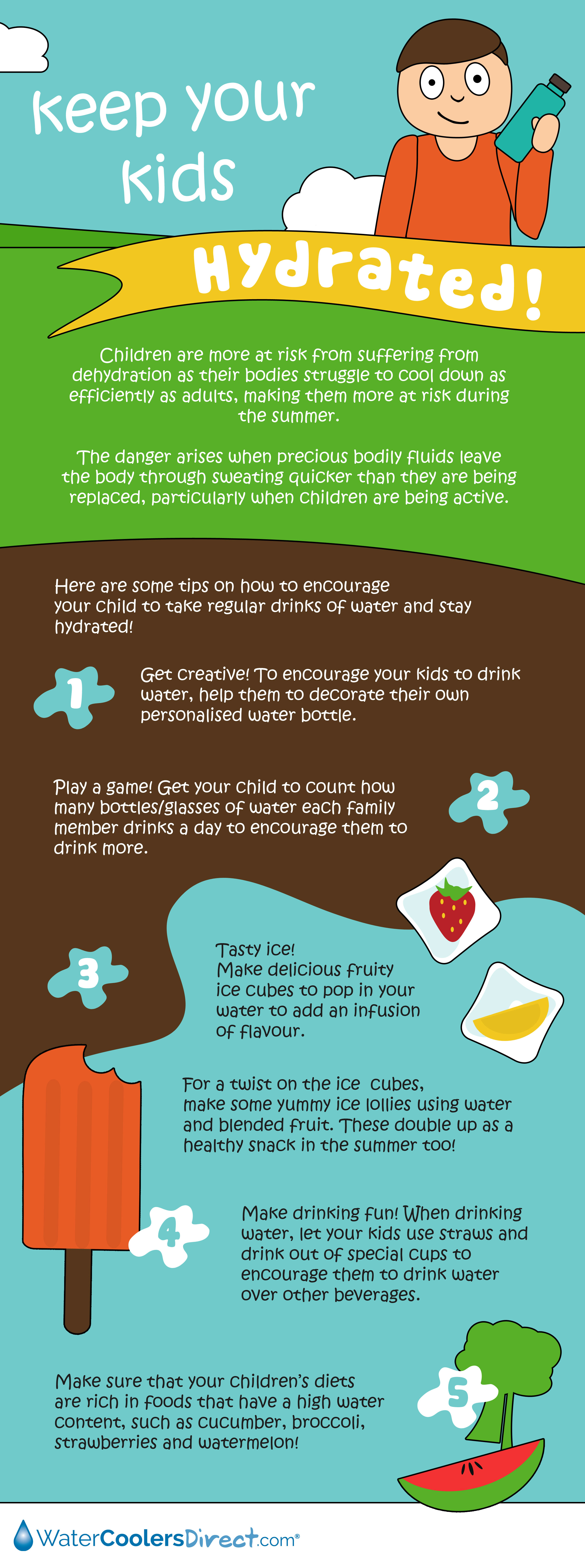
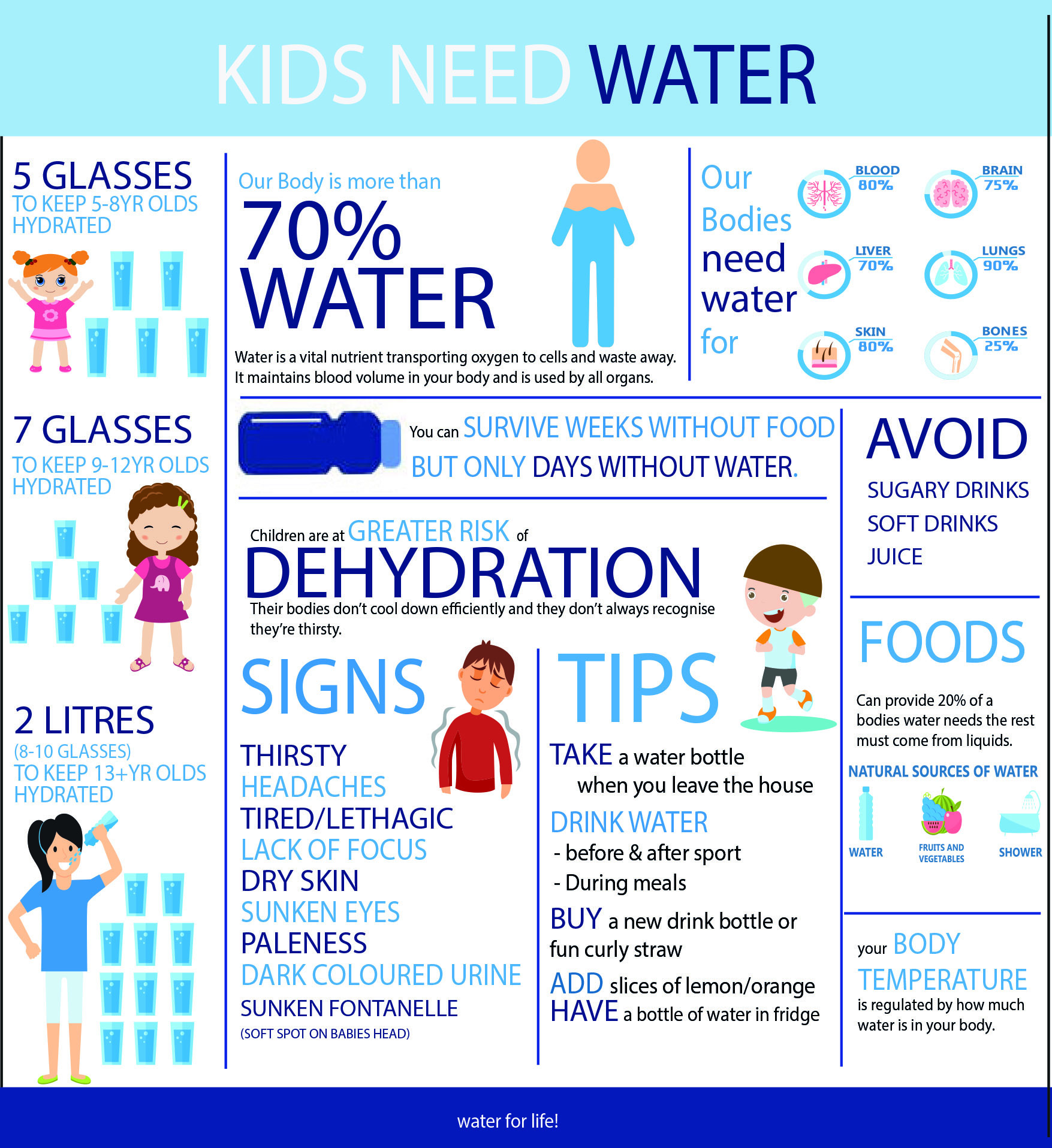
For growing bodies, proper hydration is not just about quenching thirst—it’s critical for energy, concentration, digestion, and mood stabilization. But getting kids to choose plain water over juice or soda is a constant battle.
The solution isn’t nagging; it’s accessibility and novelty. Introducing the hero of the super-hydrated household: The Water Dispenser.
This guide will walk you through why a dedicated water source is a game-changer and which type of dispenser is the safest and most effective fit for your family.
Why a Water Dispenser Is the Secret to Hydration Success
Kids are natural explorers, and they thrive on independence. A water dispenser transforms the mundane act of getting a drink into a self-serve, empowering activity.
1. The Accessibility Factor
If water is easy to get, they will drink it. If they need to open a heavy fridge door, look for a clean cup, and hold a faucet lever just right, they often move on to easier, less healthy options. A well-placed dispenser puts water at their height, ready to go.
2. The Cool Factor
Let’s be honest: The novelty of pushing a button or pulling a lever is entertaining. For toddlers and elementary-aged kids, dispensing their own water feels like operating a small machine—which is infinitely more fun than drinking from a boring glass.
3. Consistency and Taste
Many kids avoid tap water because of its taste. A dispenser that uses filtered water—whether via an office-style bottle or an in-line filter—provides reliable, great-tasting water, encouraging them to refill their bottles frequently.
Choosing Your Weapon: Types of Water Dispensers
When you hear "water dispenser," you might picture the massive cooler in your office lobby. While those are certainly an option, the market now offers solutions for every kitchen size and budget.
1. The Traditional Floor-Standing Cooler (Bottled Water)
These are the coolers that hold massive 3- or 5-gallon jugs (either top-loaded or bottom-loaded).
| Pros | Cons |
|---|---|
| Instant Cold Water: Always refreshing. | Footprint: Takes up significant floor space. |
| High Capacity: Never run out of water. | Safety Risk (Crucial!): Includes a hot water tap standard, requiring a robust safety lock. |
| Bottom-Load Option: Easier to swap bottles (no heavy lifting). | Sanitation: Requires regular, deep cleaning to prevent mold buildup inside the reservoir. |
Best For: Larger kitchens, busy families who consume high volumes of water, and parents who prioritize ice-cold water.
2. The Countertop Filtration Pitcher/Gravity Filter
These are low-tech, affordable systems that use a gravity-fed filter (like Brita, Pur, or Berkey).
| Pros | Cons |
|---|---|
| Zero Electricity: Only requires counter space. | Manual Refill: Must be constantly topped up with tap water. |
| Excellent Taste: Filters chlorine and impurities. | Slow Dispensing: Water flows slowly from a simple spigot. |
| No Safety Risk: No heating element involved. | Limited Volume: Only holds a few gallons at a time. |
Best For: Families with limited space, younger children (where simplicity is key), and those who want to avoid plastic bottles.
3. The Kid-Specific Mini Dispenser (The Novelty Choice)
Often shaped like animals, cartoon characters, or miniature versions of real coolers, these small plastic dispensers are designed purely for fun.
| Pros | Cons |
|---|---|
| Ultimate Fun Factor: Encourages toddlers and preschoolers to engage. | No Temperature Control: Only dispenses water at room temperature. |
| Very Affordable | Small Capacity: Holds only 8-16 standard cups of water. |
| Extremely Safe: Uses no heat or electricity. | Not a Long-Term Solution: More of a training tool or novelty item. |
Best For: Encouraging reluctant young drinkers, playrooms, or temporary use.
4. Direct-Plumbed Filtration Systems (The Integrated Choice)
These systems connect directly to your waterline, often mounted next to your sink. They are similar to high-end refrigerators with water dispensers.
| Pros | Cons |
|---|---|
| Endless Water: Never needs refilling or new bottles. | Higher Up-Front Cost: Requires professional installation. |
| Sleek Aesthetics: Often very modern and space-saving. | Requires Filter Changes: Maintenance must be done on schedule. |
Best For: Households committed to a long-term, high-quality solution and those valuing aesthetics and convenience.
The Essential Parent Checklist: Safety and Features
When purchasing a water dispenser that will be used by children, safety overrides all other considerations. Use this checklist before making a final decision.
1. Mandatory Safety Features
🛑 Hot Water Safety Lock
If you choose a unit with a hot water function (for tea, oatmeal, or instant food), the dispenser must have a child-proof safety mechanism that requires two distinct actions to dispense hot water. This is non-negotiable to prevent severe burns.
💧 Child-Appropriate Spigot Height
Make sure the dispensing lever or button is low enough for your child to use easily without having to stretch or climb. For floor-standing units, this is usually acceptable, but check for any necessary step stools.
2. Ease of Use
Ergonomic Buttons/Levers
Some dispensers require a surprising amount of force to push the button or lever. Look for models with large, easy-to-use paddles that minimize spills and frustration for small hands.
Noise Level
Traditional coolers often have a compressor that kicks on periodically to chill the water. If your dispenser is near bedrooms or a family living area, look for models advertised as "low noise" or "silent cooling."
3. Maintenance and Sanitation
Drip Tray Design
Kids spill. A lot. Look for a drip tray that is wide, deep, and removes easily for regular emptying. A tray that doesn't hold much water means constant puddles around the unit.
Cleaning Access
Water reservoirs can become breeding grounds for bacteria and mold if neglected. Choose a model that is easy to drain, sanitize, and wipe down regularly. If you use a bottled water system, consider a self-cleaning model that uses ozone to sanitize the internal components frequently—a huge time saver.
Hydration Starts with Independence
Investing in the right water dispenser is more than just buying an appliance; it’s an investment in your child’s health and independence. By making fresh, cool water easily accessible and fun, you eliminate the daily hydration struggle.
Whether you opt for the powerful filtration of a countertop unit or the sheer fun of a mini novelty dispenser, remember the goal: If the water is easy to get, they will drink it.
Ready to elevate your family’s hydration game? Start researching models with robust safety locks and high marks for child-friendliness today!