
How to Test Water Quality with Filters in Johor Bahru
Is Your Johor Bahru Water Truly Clean? How to Test Water Quality with Your Filters
Johor Bahru – a vibrant city, a bustling gateway, and home to many. While we enjoy the best of urban living, a common concern for many residents revolves around the quality of their tap water. Many households in JB invest in water filters, from simple tap-mounted systems to sophisticated multi-stage filtration units, to ensure their drinking water is clean and safe.
But here's the crucial question: how do you know your filters are actually doing their job effectively? Simply having a filter isn't enough; regular testing provides peace of mind and identifies potential issues before they become health concerns.
This guide will walk you through how to test your water quality with filters in mind, specifically for Johor Bahru residents.
Why Test Your Filtered Water in Johor Bahru?
Even with a public water supply managed by SAJ Ranhill, various factors can influence tap water quality:
- Aging Infrastructure: Older pipes in some areas can leach contaminants like rust or heavy metals into the water.
- Source Water Fluctuations: The quality of raw water from reservoirs can vary, potentially challenging the treatment plants.
- Local Conditions: Construction, industrial activities, or even agricultural run-off can have localized impacts.
- Filter Performance: Filters degrade over time. Clogged or expired filters can become ineffective or even release trapped contaminants back into your water.
Testing allows you to monitor your filter's performance and ensure you're truly getting clean water.
What to Look For: Key Water Quality Indicators
When testing, you'll want to assess several aspects of your water, both before and after filtration:
- Appearance: Clarity, colour, presence of particles.
- Odour & Taste: Chlorine smell, metallic taste, earthy or musty odours.
- Chemical Parameters: pH, hardness, chlorine levels, total dissolved solids (TDS).
- Potential Contaminants: Heavy metals, bacteria (for advanced testing).
How to Test Your Water Quality (Before & After Filtration)
Here’s a breakdown of practical methods, from simple visual checks to more advanced testing:
1. Visual Inspection & Sensory Test (The Free & Easy Way)
- Method: Fill a clear glass with unfiltered tap water and another with filtered water.
- What to Look For:
- Clarity: Is the unfiltered water cloudy? Does the filtered water look crystal clear?
- Colour: Is there any yellow, brown, or green tint? Filters should remove discolouration.
- Particles: Can you see any sediment, rust flakes, or floating particles? Your filter should significantly reduce these.
- Smell: Does the unfiltered water have a strong chlorine smell, or an earthy/musty odour? The filtered water should be largely odour-free.
- Taste: Carefully taste both. Does the filtered water taste cleaner, without a metallic or chemical aftertaste?
- Interpretation: A noticeable improvement in clarity, lack of particles, and neutral smell/taste in the filtered water indicates your filter is working on these basic aesthetic issues. If there's no difference, your filter might be compromised or the issue is beyond its scope.
2. DIY Home Water Test Kits (Affordable & Informative)
These kits are readily available online or at hardware stores in JB and offer more specific readings.
-
a) Test Strips:
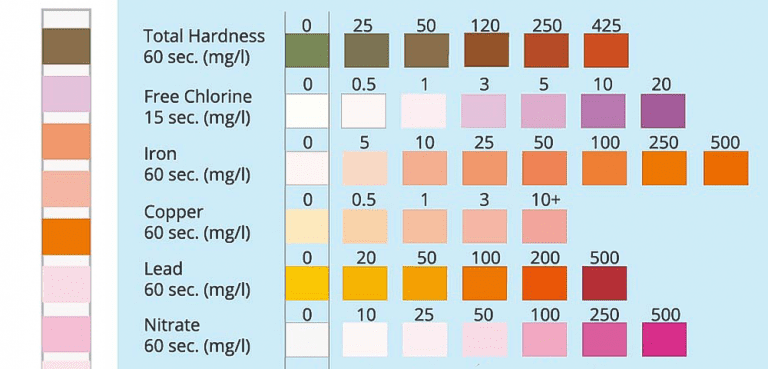
- Method: Dip a test strip into both unfiltered and filtered water samples, follow instructions for colour comparison.
- What They Test: Typically measure pH, hardness, chlorine, nitrates, nitrites, and sometimes even lead or copper.
- Interpretation: Compare the filtered water readings to the unfiltered ones. A significant drop in chlorine or hardness, and a more neutral pH, suggests the filter is effective. If levels of harmful substances (like lead, if tested) remain high, it indicates a serious problem or a filter that isn't rated for such contaminants.
-
b) Liquid Drop Test Kits:
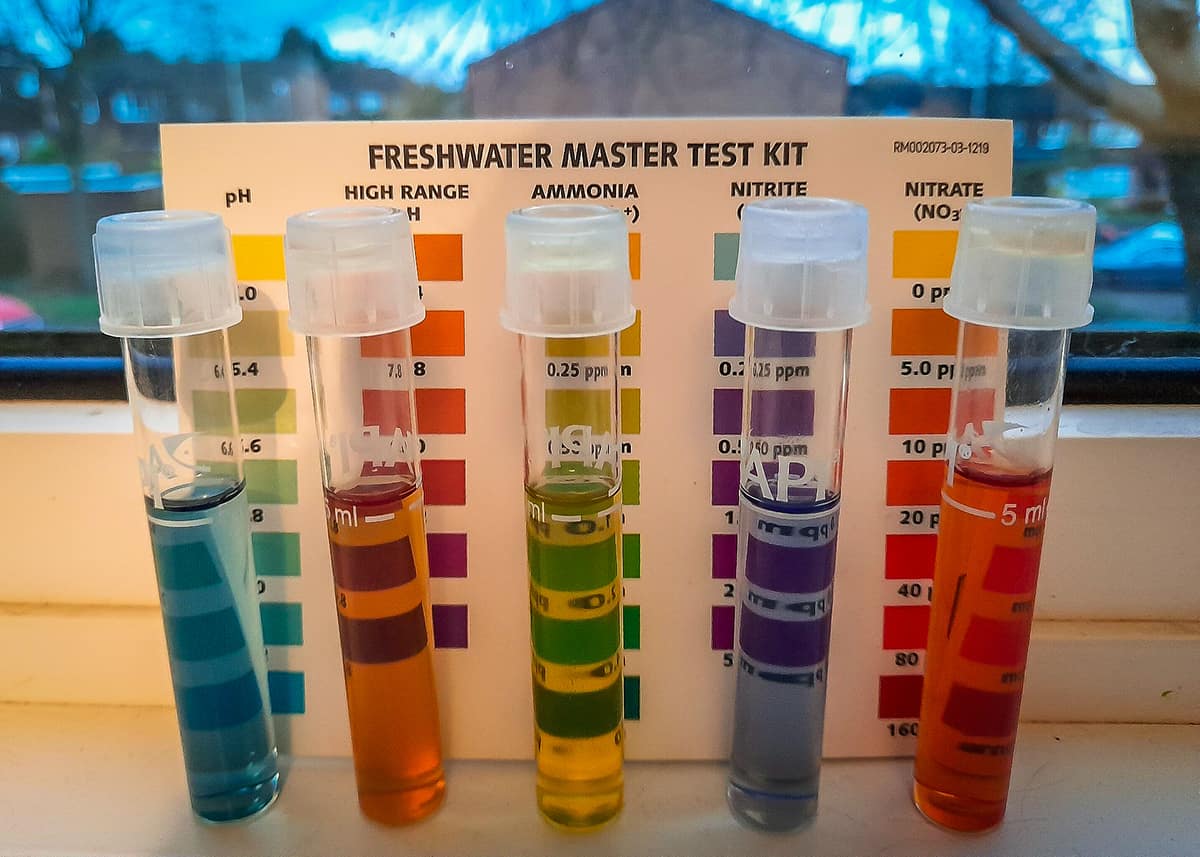
- Method: Add specific chemical reagents (drops) to water samples, and observe colour changes.
- What They Test: Often more accurate for specific parameters like chlorine or pH than strips. Some kits focus on specific contaminants like iron or specific bacteria.
- Interpretation: Similar to test strips, look for improvements in filtered water readings.
3. Digital Meters (For Specific Measurements)
These offer quick digital readings and are excellent for ongoing monitoring.
-
a) TDS Meter (Total Dissolved Solids):
- Method: Simply dip the probe into your water sample, and a numerical reading will appear. Test both unfiltered and filtered water.
- What it Measures: The concentration of all inorganic and organic substances (minerals, salts, metals, ions) dissolved in water. It's measured in parts per million (ppm).
- Interpretation:
- For Reverse Osmosis (RO) filters or de-ionizing filters: You should see a significant drop in TDS (e.g., from 150-200 ppm down to 20-50 ppm or even lower). This indicates the filter is actively removing dissolved solids.
- For Activated Carbon filters (most common home filters): TDS may not change dramatically, as these filters primarily remove chlorine, organic compounds, and sediment, but not beneficial minerals. A slight drop might occur, but don't expect a drastic change as you would with RO.
- Important Note: A low TDS reading doesn't automatically mean water is safe, nor does a high TDS reading necessarily mean it's unsafe (e.g., mineral-rich water can have high TDS). It's primarily useful for monitoring the performance of filters designed to reduce dissolved solids.
-
b) pH Meter:
- Method: Dip the probe into the water sample.
- What it Measures: The acidity or alkalinity of the water (0-14 scale, 7 is neutral).
- Interpretation: Most drinking water has a pH between 6.5 and 8.5. Some filters might slightly alter pH. A consistent drift outside the normal range for your filtered water could indicate a filter issue.
4. Professional Lab Testing (For Comprehensive & Accurate Results)
- When to Use It: If you have persistent health concerns, suspect serious contamination (e.g., heavy metals, specific bacteria), or want the most accurate and comprehensive analysis of your water.
- Method: Contact a certified water testing laboratory in Malaysia (you can search for environmental labs in Johor or nearby KL). They will provide sterile sample bottles and detailed instructions on how to collect and submit your water samples. You'll typically collect both unfiltered and filtered water.
- What They Test: A wide range of parameters, including bacteria (E. coli, coliforms), heavy metals (lead, arsenic, mercury), pesticides, volatile organic compounds (VOCs), and more.
- Interpretation: The lab will provide a detailed report, often compared against national or WHO drinking water standards. This is the surest way to know exactly what's in your water and if your filter is effectively removing specific harmful contaminants.
Tips for Effective Water Testing in JB
- Test Regularly: At least every 3-6 months, or whenever you notice a change in taste, smell, or appearance of your water.
- Test Before & After Filter: This comparison is key to understanding your filter's effectiveness.
- Test Different Taps: Water quality can sometimes vary slightly between different faucets in your home.
- Keep a Log: Note down the dates, readings, and any observations. This helps track trends and identify when a filter needs changing.
- Follow Filter Manufacturer Guidelines: Adhere to recommended replacement schedules, as expired filters are ineffective.