
How to Evaluate Suppliers for Dispenser Products
The Ultimate Guide to Evaluating Dispenser Product Suppliers: Quality, Cost, and Reliability
Whether you are sourcing soap dispensers for a nationwide chain of commercial restrooms, essential oil diffusers for a retail brand, or industrial tape dispensers for a fulfillment center, finding the right supplier is critical.
A subpar dispenser can lead to frequent breakdowns, customer complaints, messy product leaks, and ultimately, wasted money. On the flip side, a great supplier acts as a strategic partner, helping you scale your business with reliable, high-quality products.
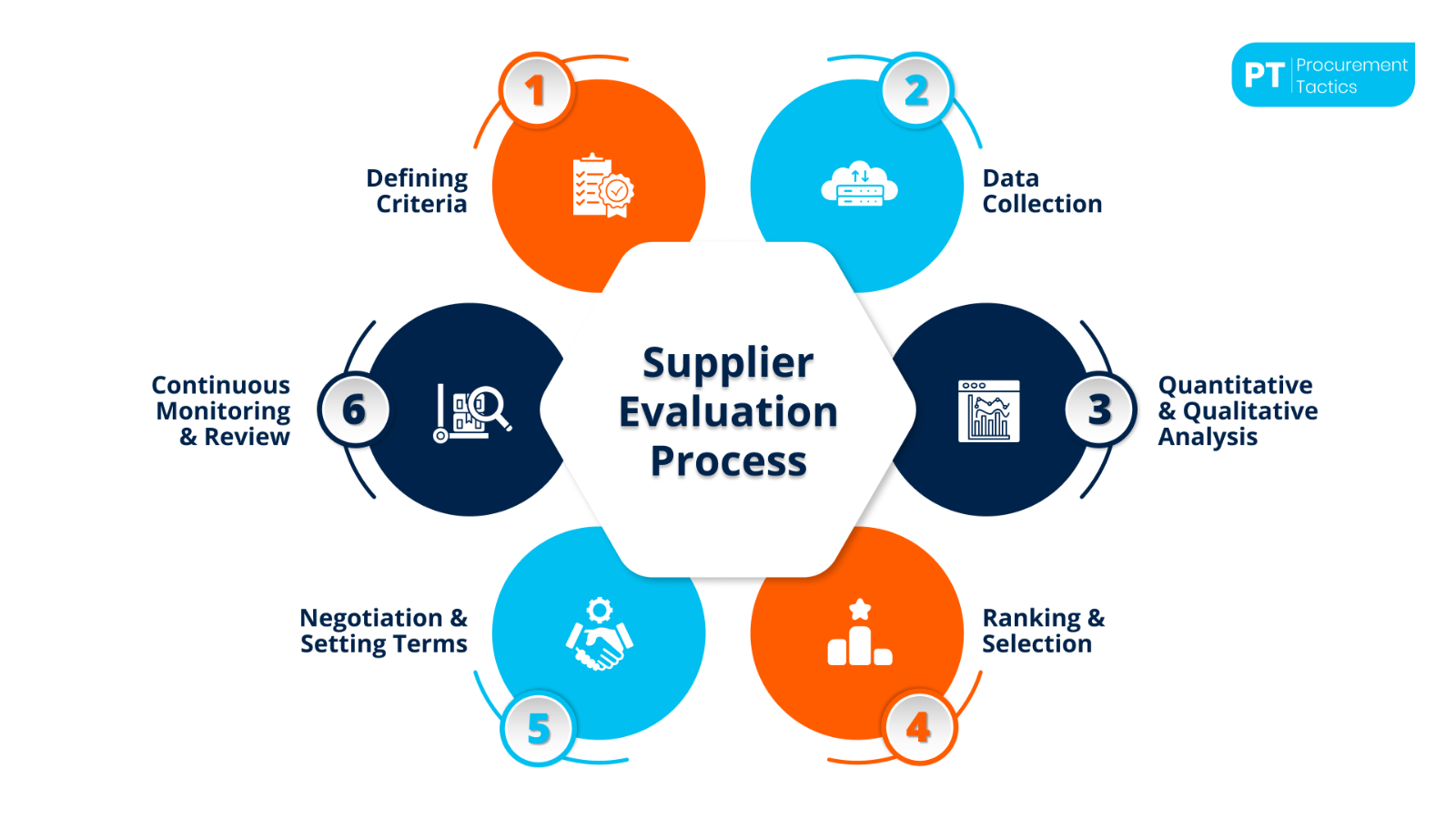
How do you separate the order-takers from the true industry leaders? Here is a step-by-step guide on how to evaluate suppliers for dispenser products.
1. Define Your Product Requirements First
Before you even look at a supplier directory, you need absolute clarity on what you need. Dispenser products vary wildly in design, material, and function.
- The Use Case: Is it for high-traffic public restrooms (requiring touchless, heavy-duty ABS plastic or stainless steel), or is it a sleek, aesthetic design for home use?
- The Medium: What is being dispensed? Liquid soap, foam, gel, paper towels, tape, or fragile liquids? Viscosity and chemical makeup matter.
- Power Source: If electronic, does it require batteries, a plug-in adapter, or solar power?
Having a detailed product specification sheet (spec sheet) allows you to filter out suppliers who simply cannot meet your technical requirements.
2. Assess Manufacturing Capabilities and Quality Control
You don’t just want a middleman; you want to know who is actually making the product—or how closely the supplier vets their factories.
- Factory Audits: If you are sourcing in high volumes, request a third-party factory audit (or visit yourself) to check working conditions, machinery, and production capacity.
- Quality Control (QC) Processes: Ask about their defect rates and QC protocols. Do they test a percentage of every batch, or do they rely on the factory's word? Look for suppliers with ISO 9001 certification or equivalent quality management standards.
- Material Compliance: Depending on your market, your dispensers may need to comply with specific regulations (e.g., FDA-approved materials for food-contact dispensers, RoHS or CE certifications for electronic components).
3. Request and Rigorously Test Samples
Never place a bulk order without testing physical samples first. Pictures and spec sheets can be deceiving. When your samples arrive, put them through a stress test:
- The Drop Test: Dispensers take a beating in the real world. How does the plastic hold up to being dropped?
- Mechanism Longevity: Pump the dispenser hundreds of times. Does it stick? Does the spring lose tension?
- Leak Resistance: Fill it with water or the intended product and leave it on its side. Does it leak at the seams or the nozzle?
- User Experience: Is it easy to refill? Is the branding area (if applicable) clean and professional?
4. Evaluate Cost vs. Total Value
Price is always a major factor, but the lowest bid is rarely the best deal. When evaluating pricing, look at the Total Cost of Ownership (TCO):
- MOQs (Minimum Order Quantities): Can you afford their MOQ, or will you be tying up too much cash in inventory? Are they flexible as you scale?
- Shipping and Logistics: Where are they shipping from? Factor in freight costs, import duties, and lead times. A cheap supplier in another hemisphere might become very expensive if shipping costs spike or customs delays your launch.
- Packaging: Do they offer custom packaging, or will products arrive damaged and require repackaging on your end?
5. Check Communication and Reliability
A supplier can have the best prices in the world, but if they ghost you for days or miss deadlines by months, they are a liability. During the evaluation phase, pay attention to their customer service:
- Responsiveness: How quickly do they reply to your inquiries? (Keep time zones in mind, but standard business communication should feel fluid).
- Transparency: Do they give straight answers about lead times and potential bottlenecks, or do they tell you what you want to hear?
- Problem-Solving: How do they handle a hiccup in the sample phase? Do they take ownership and offer solutions, or do they make excuses?
6. Look for Customization and Innovation
The dispenser market moves fast. Touchless technology, sustainable materials (like ocean-bound plastics or biodegradable resins), and smart-iot dispensers (that alert maintenance when fluid is low) are becoming standard expectations.
- Can the supplier help you customize the product with your logo, custom colors, or proprietary design tweaks (OEM/ODM)?
- Are they bringing new ideas to the table, or are they just manufacturing 10-year-old catalog items?