
How to Compare Water Filter Suppliers for Quality
How to Compare Water Filter Suppliers for Quality
In a world increasingly conscious of health and wellness, a reliable water filter system has become a staple for many homes and businesses. But with a sea of suppliers offering countless options, how do you ensure you're not just buying a filter, but investing in genuine quality that delivers pure, safe water for years to come?
Choosing the right water filter supplier is as crucial as choosing the filter itself. A good supplier offers not just a product, but expertise, support, and peace of mind. Here's a comprehensive guide on how to compare water filter suppliers for quality, ensuring your investment truly pays off.
1. Certifications and Independent Testing: The Non-Negotiables
This is arguably the most critical factor. Don't just take a supplier's word for it. Look for products that have been independently tested and certified by reputable organizations.
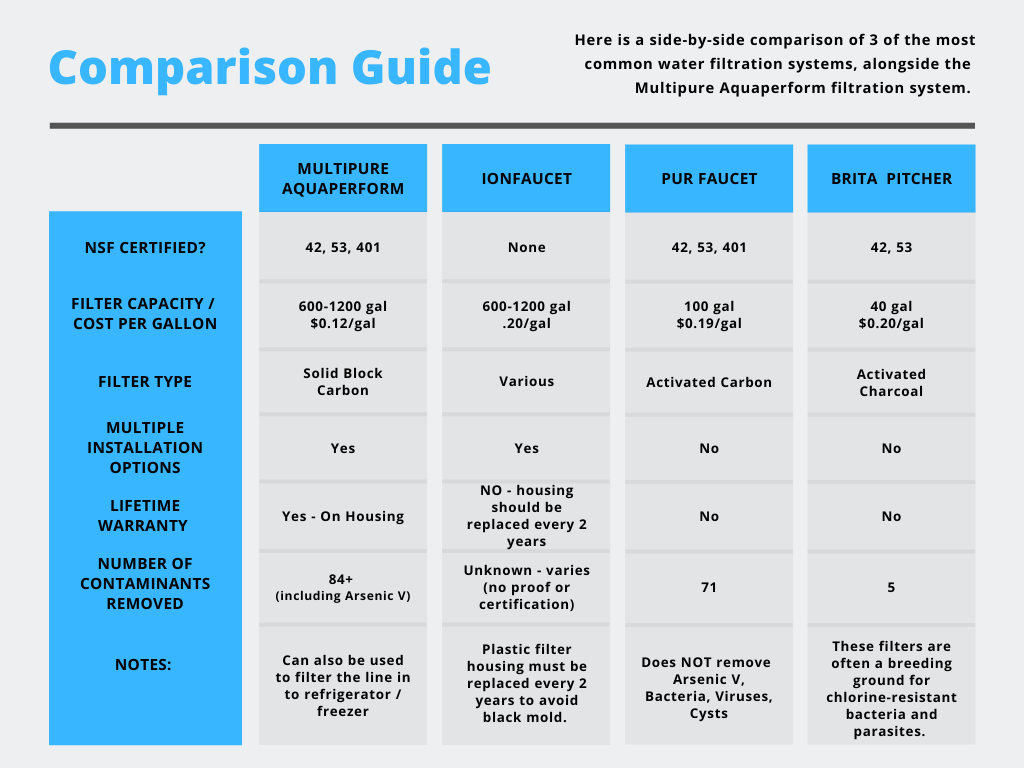
- NSF International: This is the gold standard. NSF certifications (e.g., NSF/ANSI 42 for aesthetic contaminants, NSF/ANSI 53 for health contaminants like lead or cysts, NSF/ANSI 58 for reverse osmosis systems, NSF/ANSI 401 for emerging contaminants) verify that a product meets specific public health standards.
- Water Quality Association (WQA): The WQA offers a Gold Seal certification, which signifies that a product has met industry standards for performance, capacity, and integrity.
- Transparency in Test Results: A quality supplier will readily provide detailed performance data and independent test results. Be wary of vague claims or a reluctance to share this information.
2. Product Range & Technology Expertise
A "one-size-fits-all" approach rarely works for water filtration. Your water's specific contaminants (which can vary widely by location) dictate the best filtration technology.
- Diverse Product Portfolio: A quality supplier offers a range of filtration technologies (e.g., activated carbon, reverse osmosis, UV, ultrafiltration, whole-house vs. point-of-use) to address different needs and water quality issues.
- Water Testing Services: The best suppliers often start with a water test (either in-home or through a lab kit). This shows they prioritize a tailored solution over a quick sale.
- Knowledgeable Staff: Can their sales or technical team clearly explain the pros and cons of different technologies, and recommend the best fit for your specific water profile and usage?
3. Supplier Reputation & Experience
Experience often correlates with reliability and expertise.
- Years in Business: How long has the company been operating? Longevity often indicates stability and a proven track record.
- Online Reviews & Testimonials: Check independent review platforms (Google Reviews, Trustpilot, BBB, Yelp, local forums). Look for consistent themes regarding product performance, customer service, and support.
- Industry Affiliations: Are they members of reputable industry associations (like the WQA)?
- Local Presence (if applicable): For installation and servicing, a local supplier with a good reputation can be invaluable.
4. Customer Service & Technical Support
A water filter system is an investment that requires ongoing maintenance. Excellent support is paramount.
- Pre-Sales Consultation: How helpful and informative are they before you buy? Do they answer all your questions without pressure?
- Installation Support: Do they offer professional installation, and is it included or an additional cost? If DIY, how comprehensive are their instructions and support?
- Post-Sales Support: What's their policy for troubleshooting, filter replacement reminders, and warranty claims? Is it easy to reach a knowledgeable person if you have an issue?
- Responsiveness: How quickly do they respond to inquiries via phone, email, or chat?
5. Warranty and Guarantees
Stand behind their products. A strong warranty is a sign of confidence in their own quality.
- System Warranty: How long is the entire system covered? What parts are included (e.g., tank, head, housing)?
- Filter Cartridge Warranty: While cartridges have a lifespan, are there any guarantees against manufacturing defects?
- Satisfaction Guarantee/Return Policy: Do they offer a trial period or a clear return policy if the system doesn't meet expectations?
6. Installation, Maintenance & Total Cost of Ownership
The initial purchase price is just one piece of the puzzle.
- Installation Services: Do they provide professional installation? Is it certified or insured?
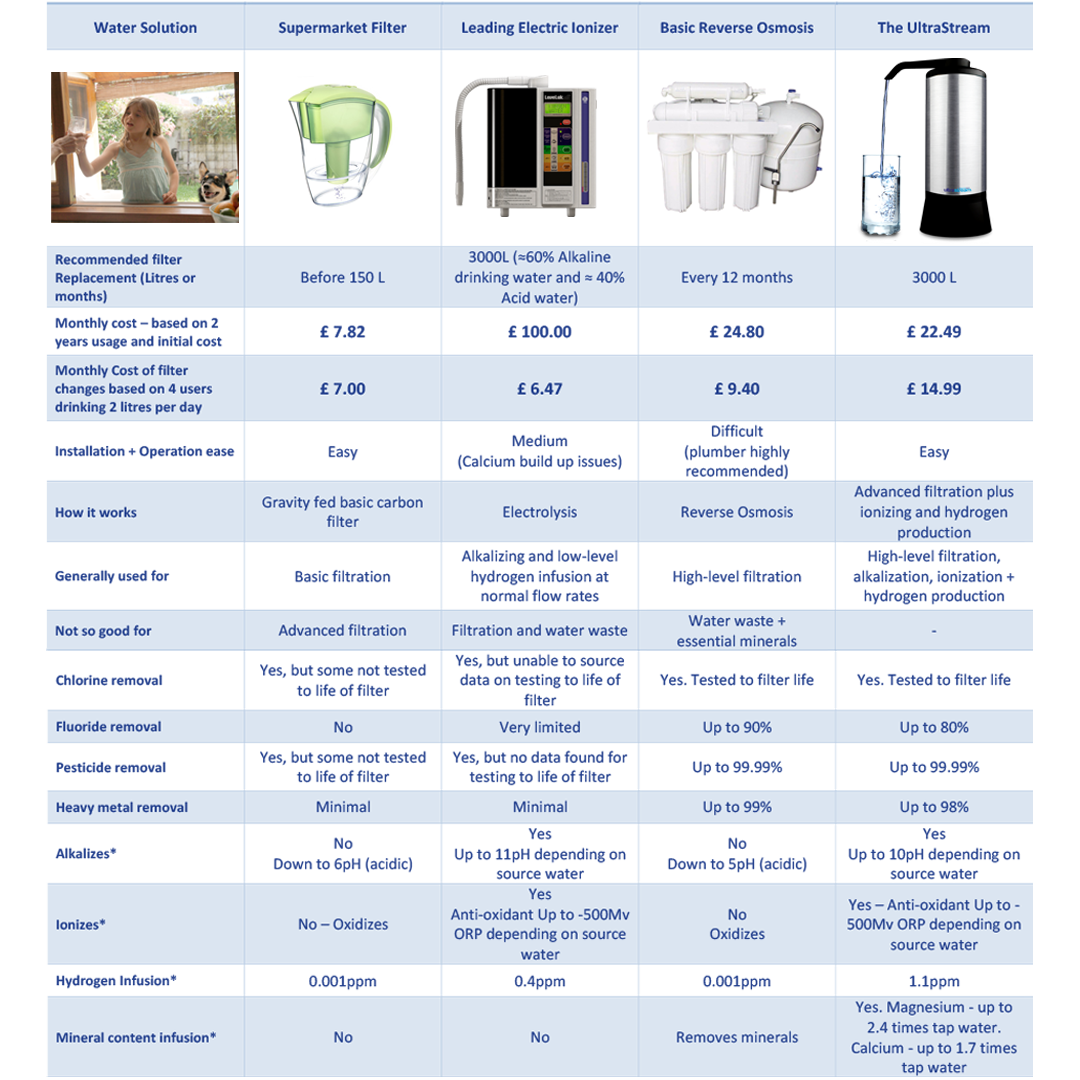
- Filter Replacement Costs & Availability: How easy is it to source replacement filters? What's their cost, and how often do they need changing? A good supplier will be transparent about these ongoing costs.
- Maintenance Plans: Do they offer service plans or reminders for filter changes?
- Hidden Costs: Are there any additional fees for delivery, specific fittings, or future technical support?
7. Transparency and Education
A quality supplier empowers its customers with knowledge, rather than just selling them a product.
- Clear Information: Is their website and product literature clear, concise, and easy to understand?
- Educational Resources: Do they offer blog posts, FAQs, videos, or guides that help customers understand water quality issues and filtration solutions?
- No Pressure Sales: Do they educate you on options and let you make an informed decision, or do they push for an immediate sale?