
How Often Should You Change Your Water Dispenser Filter?
How Often Should You Change Your Water Dispenser Filter?
That refreshing glass of water from your dispenser is a daily ritual for many, providing a convenient and often better-tasting alternative to tap water. But what's the unsung hero behind that crisp, clean sip? Your water dispenser filter!
Like any hardworking component, filters have a finite lifespan. Neglecting to change it regularly can turn your source of hydration into a potential source of contaminants. So, how often should you swap out that crucial filter? Let's dive in.
The Short Answer: It Depends, But Start with 3-6 Months
While there's no single magic number that applies to every filter and every household, a general guideline for most water dispenser filters (especially those in bottleless or counter-top units) is every 3 to 6 months, or after filtering a certain volume of water (usually 100-200 gallons).
However, this is just a starting point. Several factors influence how frequently your filter needs a refresh.
Key Factors That Influence Filter Lifespan:
-
Manufacturer's Recommendations (Your Go-To Guide!): This is the most important factor. Every filter is designed differently, and the manufacturer specifies its optimal lifespan and capacity. Always check your dispenser's user manual or the filter's packaging for precise recommendations. They often provide both a time frame (e.g., "every 6 months") and a volume limit (e.g., "or 200 gallons, whichever comes first").
-
Your Water Quality:
- High Sediment/Turbidity: If your source water has a lot of sediment, rust, or other particulate matter, your filter will clog much faster.
- Hard Water: Water with high mineral content can also reduce filter efficiency more quickly.
- Older Pipes/Well Water: If you're on well water or in an older home with aging plumbing, your water might contain more impurities, shortening filter life.
-
Usage Volume: This is simple: the more water you dispense, the faster your filter will reach its capacity.
- Busy Offices: An office dispenser serving dozens of people daily will need its filter changed far more frequently than a dispenser in a single-person household.
- Large Families: Similarly, a large family will go through water faster than a couple.
-
Type of Filter: Different filter types target different contaminants and have varying lifespans:
- Carbon Filters: Common for taste, odor, and chlorine removal, often last 3-6 months.
- Sediment Filters: Designed to remove larger particles, their life depends heavily on sediment load.
- Reverse Osmosis (RO) Membranes: These have a much longer lifespan, often 2-3 years, but they are usually paired with pre-filters that need more frequent changes.
- UV Filters: These sanitize water using UV light and don't "filter" in the same way, but the bulb needs to be replaced periodically (e.g., annually).
What Happens If You Don't Change Your Filter?
Ignoring your filter's expiry date can lead to several undesirable outcomes:
- Compromised Water Quality: The filter stops trapping contaminants effectively, allowing impurities like chlorine, sediment, and even some bacteria to pass through to your drinking water.
- Reduced Flow Rate: As the filter becomes clogged with trapped particles, water flow slows down significantly, making refilling a bottle a test of patience.
- Bad Taste and Odor: The most obvious sign an old filter is failing is a return of unpleasant tastes or smells to your water.
- Potential Health Risks: An expired filter can become a breeding ground for bacteria or mold, reintroducing contaminants into your "clean" water.
- Damage to Your Dispenser: A severely clogged filter can put a strain on your dispenser's pump, potentially leading to premature wear and tear.
Making Filter Changes a Breeze: Practical Tips
- Mark Your Calendar: Set a recurring reminder on your phone or computer for the recommended change interval.
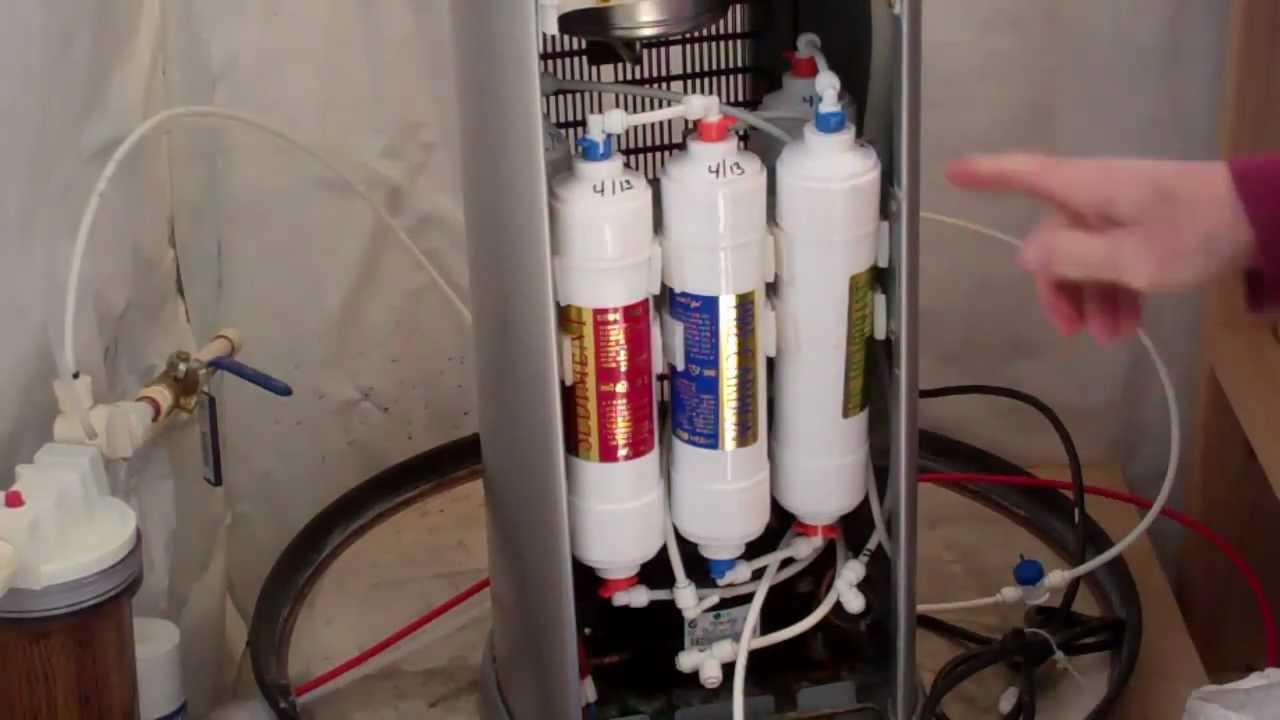
- Label the Filter: When you install a new filter, write the installation date and the "next change due" date directly on the filter itself.
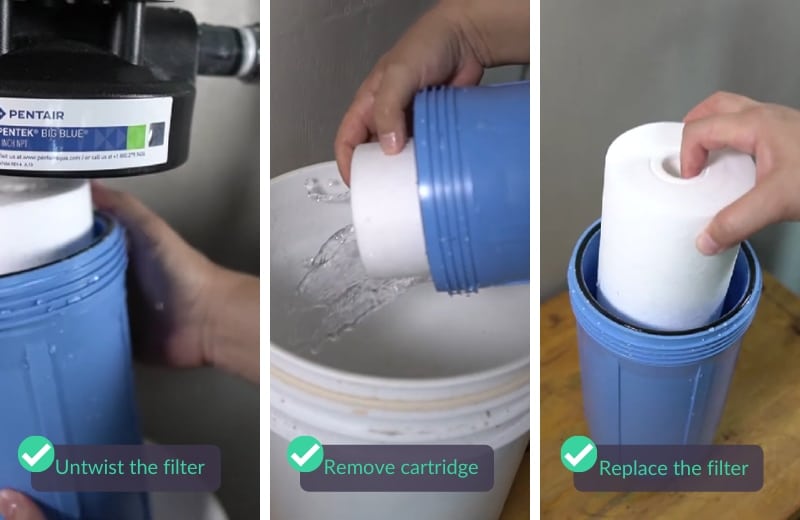
- Keep a Spare: Have a replacement filter on hand so you're not caught off guard when it's time to change.
- Subscribe to Reminders: Some filter manufacturers or retailers offer subscription services or email reminders.
- Don't Wait for the Warning Signs: By the time you notice reduced flow or bad taste, your water quality has likely been compromised for a while. Proactive changes are best.