
Discover the Benefits of Upgrading Your Water Dispenser
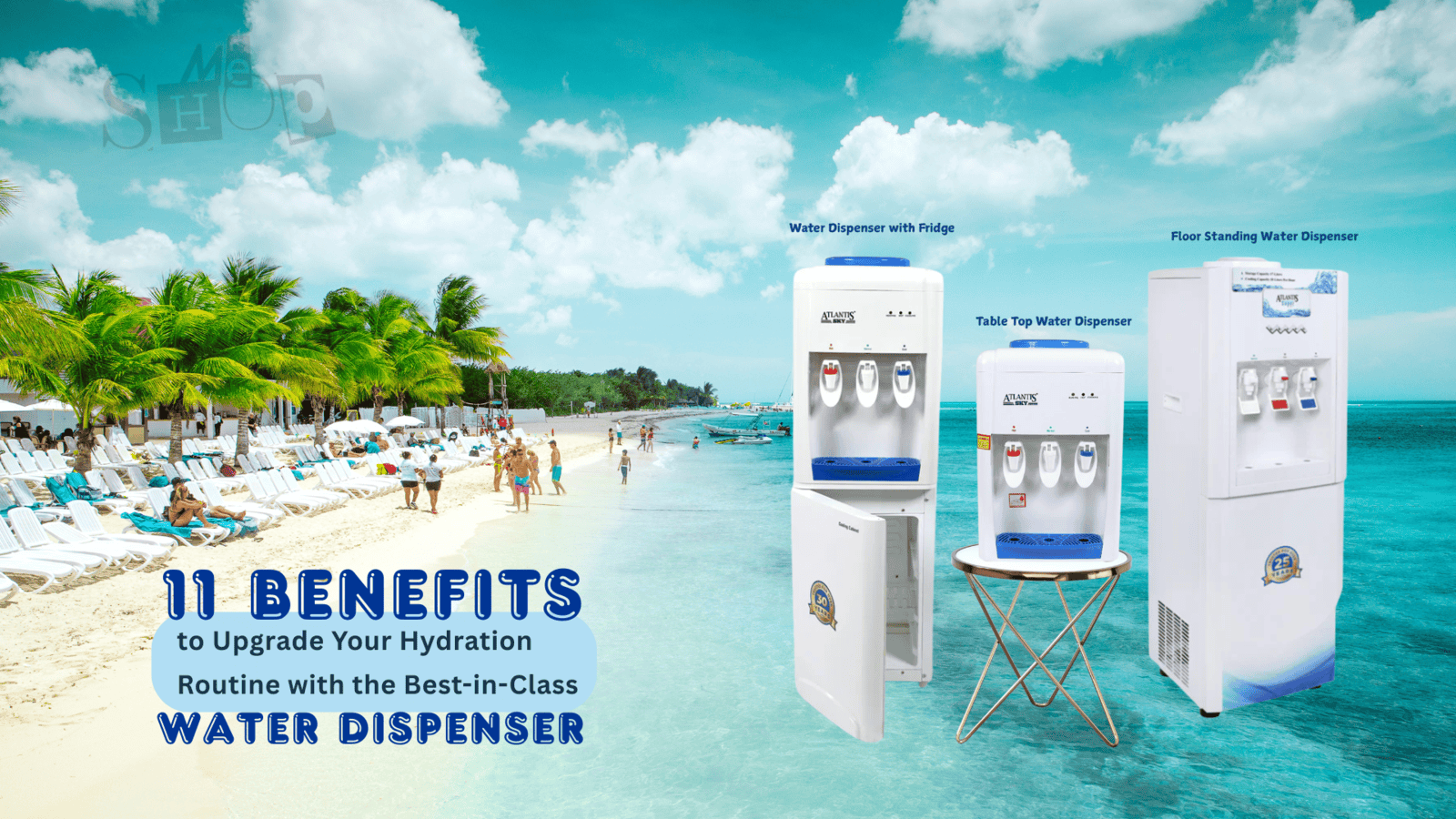
Pouring Better Health: Why It’s Time to Upgrade Your Water Dispenser
Let’s be honest: when was the last time you really thought about your water dispenser?
For most of us, it sits quietly in the corner of the office breakroom or the kitchen, faithfully pumping out H2O whenever we’re thirsty. It’s easy to adopt an “if it ain’t broke, don’t fix it” mindset when it comes to appliances like this.
However, holding onto an outdated, crusty, or basic water cooler might be costing you more than you think—in energy bills, water quality, and daily convenience.
Water dispenser technology has come a long way in recent years. If your machine is more than a few years old, here is why you should consider making the upgrade.
1. Superior Water Filtration and Better Taste
Older dispensers often just heat or cool water stored in a basic reservoir without providing advanced filtration. If you’ve ever noticed a strange plastic or metallic aftertaste in your office water, your dispenser might be to blame.
Modern water dispensers—especially bottleless and countertop models—come equipped with multi-stage filtration systems (like Reverse Osmosis or Activated Carbon filters). These systems remove sediments, chlorine, heavy metals, and microplastics. The result? Crisp, clean, bottled-quality water straight from your tap, encouraging everyone to drink more of it.
2. Ultimate Convenience: Hot, Cold, and Sparkling on Demand
Remember when water dispensers only offered two options: room temperature and ice cold?
Today’s upgraded dispensers are multi-functional hydration stations. Depending on the model you choose, you can get:
- Instant Boiling Water: Say goodbye to waiting for the kettle to boil for your morning tea, French press, or instant oatmeal.
- Sparkling Water: Many modern units now feature built-in carbonation, giving you fizzy water on tap and saving you money on store-bought seltzer.
- Ambient Control: Precise temperature settings so you can have your water exactly how you like it.
3. Say Goodbye to Heavy Water Jugs
If you’re still using a traditional top-loading dispenser, you’re probably all too familiar with the dreaded “water jug struggle.” Lifting a heavy, 40-pound plastic jug, flipping it over, and trying to align it with the valve without flooding the floor is a recipe for a pulled muscle (and a lot of frustration).
Upgrading to a bottom-loading dispenser means you simply slide the jug into the base with zero heavy lifting. Even better, upgrading to a bottleless (point-of-use) system connects directly to your water line, eliminating jugs entirely. No more deliveries, no more storage space wasted on empty bottles, and no more heavy lifting.
4. Eco-Friendly and Energy Efficient
Older appliances are notoriously energy-hungry, constantly running their heating and cooling elements to maintain temperature.
Newer water dispensers are engineered with energy-saving modes, LED indicators, and better insulation. Many feature "sleep modes" that power down during weekends or overnight when the office or home is empty. Furthermore, if you switch from single-use plastic bottles or delivered jugs to a filtered bottleless system, your personal or corporate carbon footprint shrinks dramatically.
5. Sleek, Modern Aesthetics
Let’s face it: standard office water coolers aren't known for their interior design appeal. They are bulky, industrial, and often an eyesore in a modern kitchen or contemporary office space.
Today’s models are designed with aesthetics in mind. With sleek stainless steel finishes, slim profiles, and minimalist touch-screen controls, an upgraded water dispenser can actually enhance the look of your room rather than detract from it.