
Can You Use Any Filter in a Water Dispenser?
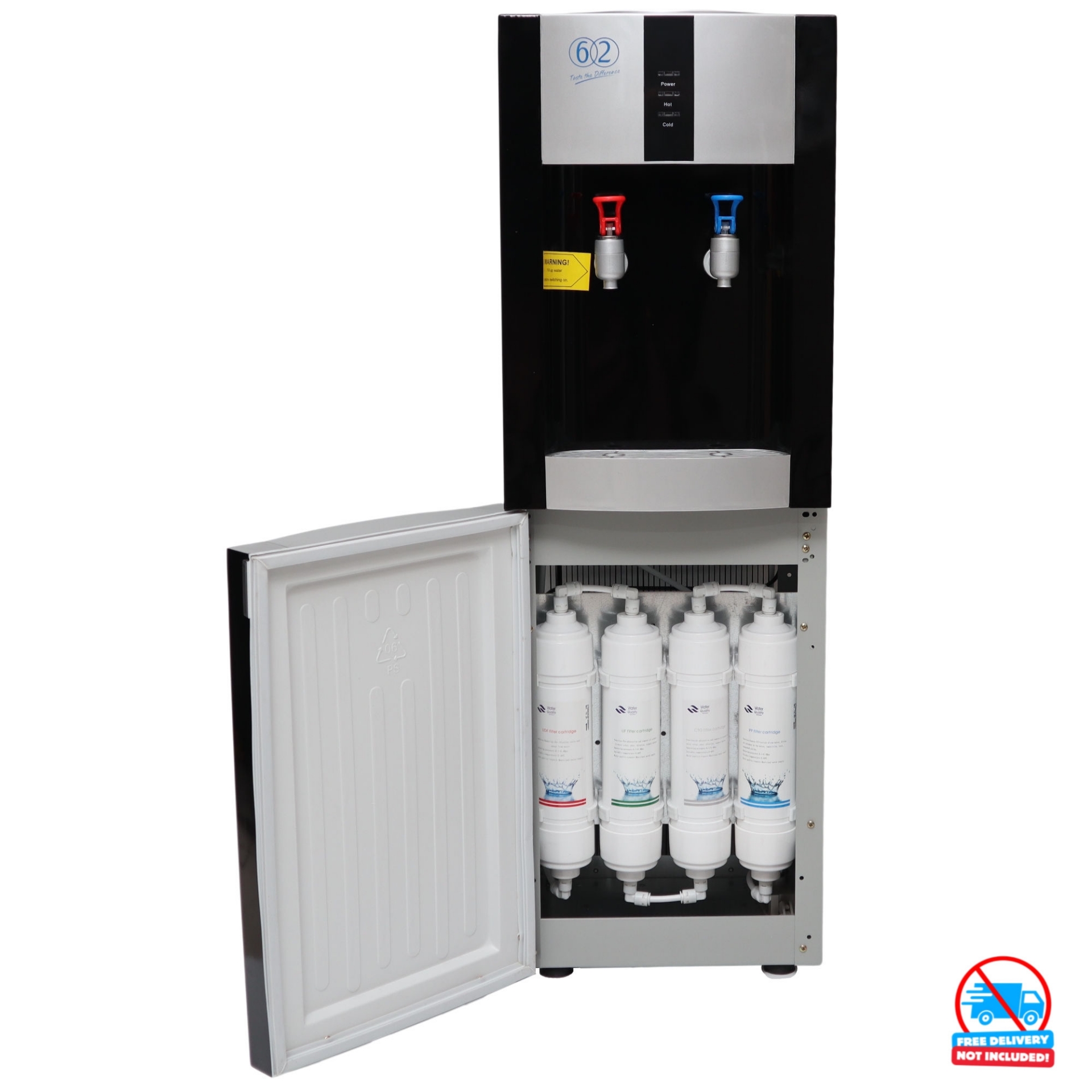
Can You Use Any Filter in a Water Dispenser? (Spoiler: Not Really!)
It's a common thought: a filter is a filter, right? When your water dispenser's change filter light starts blinking, or the water flow slows to a trickle, it's tempting to just grab the cheapest or most readily available filter you see online or in a store. But before you do, let's clear up a common misconception: no, you generally cannot use any filter in any water dispenser.
Replacing a water dispenser filter isn't like changing a light bulb where most screw-in bulbs are interchangeable. There's a lot more going on beneath the surface than just a simple particulate screen. Let's dive into why compatibility is crucial and what you need to know.
Why "Any Filter" Just Won't Do
-
Physical Fit and Connection Type: This is the most immediate and obvious hurdle.
-
Size and Shape: Filters come in various diameters and lengths. A filter that's too big simply won't fit into the designated slot, and one that's too small might rattle around or, worse, not seal properly.
-
Connection Mechanism: This is critical. Some filters twist and lock into place, others push in and click, and some screw onto a threaded port. A filter with the wrong connection type will either not attach at all, or it will create a loose seal.
-
-
Filtration Capabilities and Media: Not all filters are created equal in what they remove.
-
Media Type: Filters use different materials (activated carbon, ion-exchange resin, sediment filters, etc.) to target specific contaminants like chlorine, lead, volatile organic compounds (VOCs), pesticides, or microscopic particles.
-
Targeted Contaminants: Your dispenser's original filter was designed to remove certain impurities based on the manufacturer's specifications. A generic or different filter might not be as effective in removing these specific contaminants, leaving you with less-than-optimal water quality.
-
-
Flow Rate and Pressure:
-
Dispenser Design: Your water dispenser is engineered to work with a specific flow rate and water pressure that its original filter allows.
-
Performance Issues: An incompatible filter might be too restrictive, slowing down water dispensing to a crawl and potentially straining the dispenser's pump. Conversely, a filter that's too permeable might not adequately filter the water or could leak.
-
-
Dispenser Warranty & Safety:
-
Voided Warranty: Many manufacturers explicitly state that using non-OEM (Original Equipment Manufacturer) or unapproved compatible filters can void your dispenser's warranty.
-
Leaks and Damage: A poorly fitting filter can lead to leaks, which can damage your dispenser, surrounding cabinetry, or even create electrical hazards if water reaches internal components.
-
Certification: Reputable filters, especially OEM ones, often carry certifications (like NSF International or WQA) that guarantee they meet certain safety and performance standards. Generic, uncertified filters offer no such assurance.
-
How to Find the RIGHT Filter for Your Dispenser
Don't despair! Finding the correct replacement filter is usually straightforward if you know what to look for.
-
Check Your Dispenser's Manual: This is always your first and best resource. The manual will specify the exact filter model number or type required.
-
Look for Model Numbers on the Old Filter: If you still have the old filter, check its body for a part number, model number, or brand.
-
Find Your Dispenser's Model Number: This is usually on a sticker or plate on the back, side, or underside of the unit. Once you have the dispenser's model number, you can easily search online for compatible filters.
-
OEM vs. Compatible Filters:
-
OEM (Original Equipment Manufacturer): These are filters made by the same company that made your water dispenser. They are guaranteed to fit and perform as intended, but can sometimes be more expensive.
-
"Compatible" or "Aftermarket" Filters: Many third-party manufacturers produce filters designed to fit specific dispenser models. These can be a more affordable option, but it's crucial to:
-
Ensure Certification: Look for NSF or WQA certifications on the packaging.
-
Read Reviews: Check user reviews for fit, performance, and durability before purchasing. Stick to reputable brands.
-
-