
Can I Use a Water Dispenser for Hot and Cold Water?
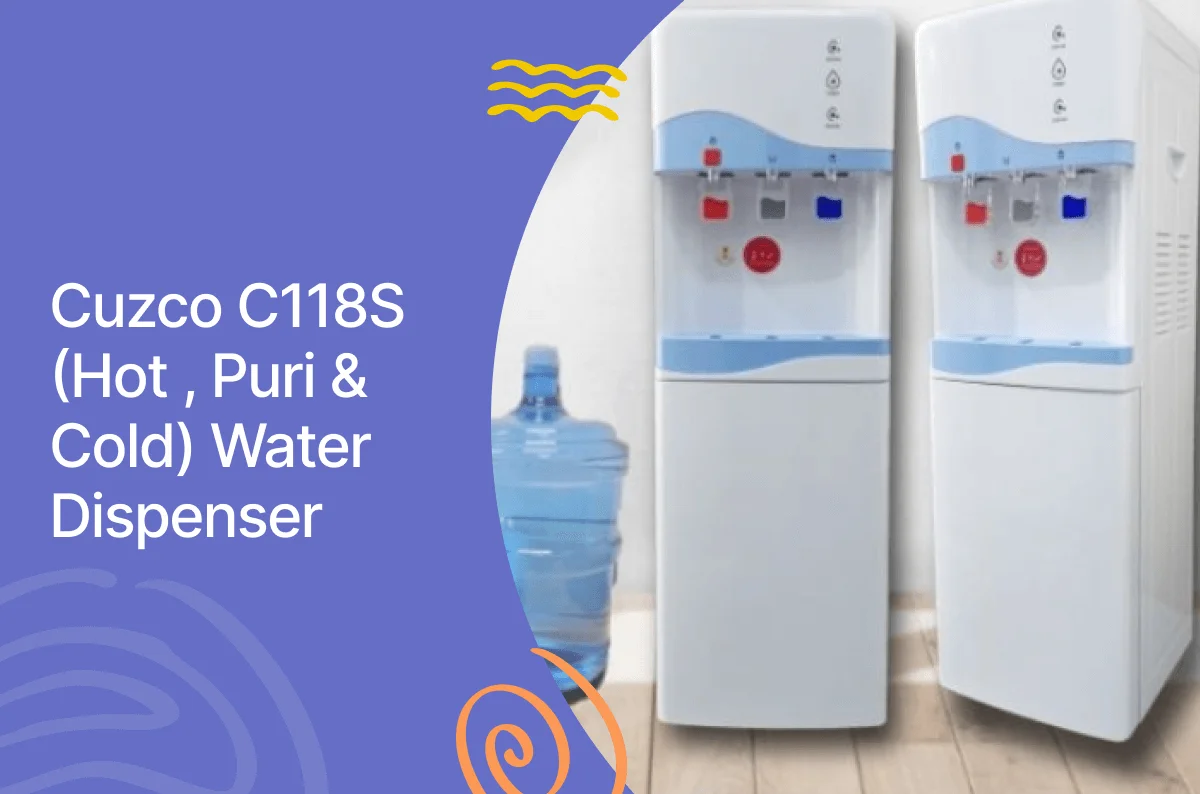
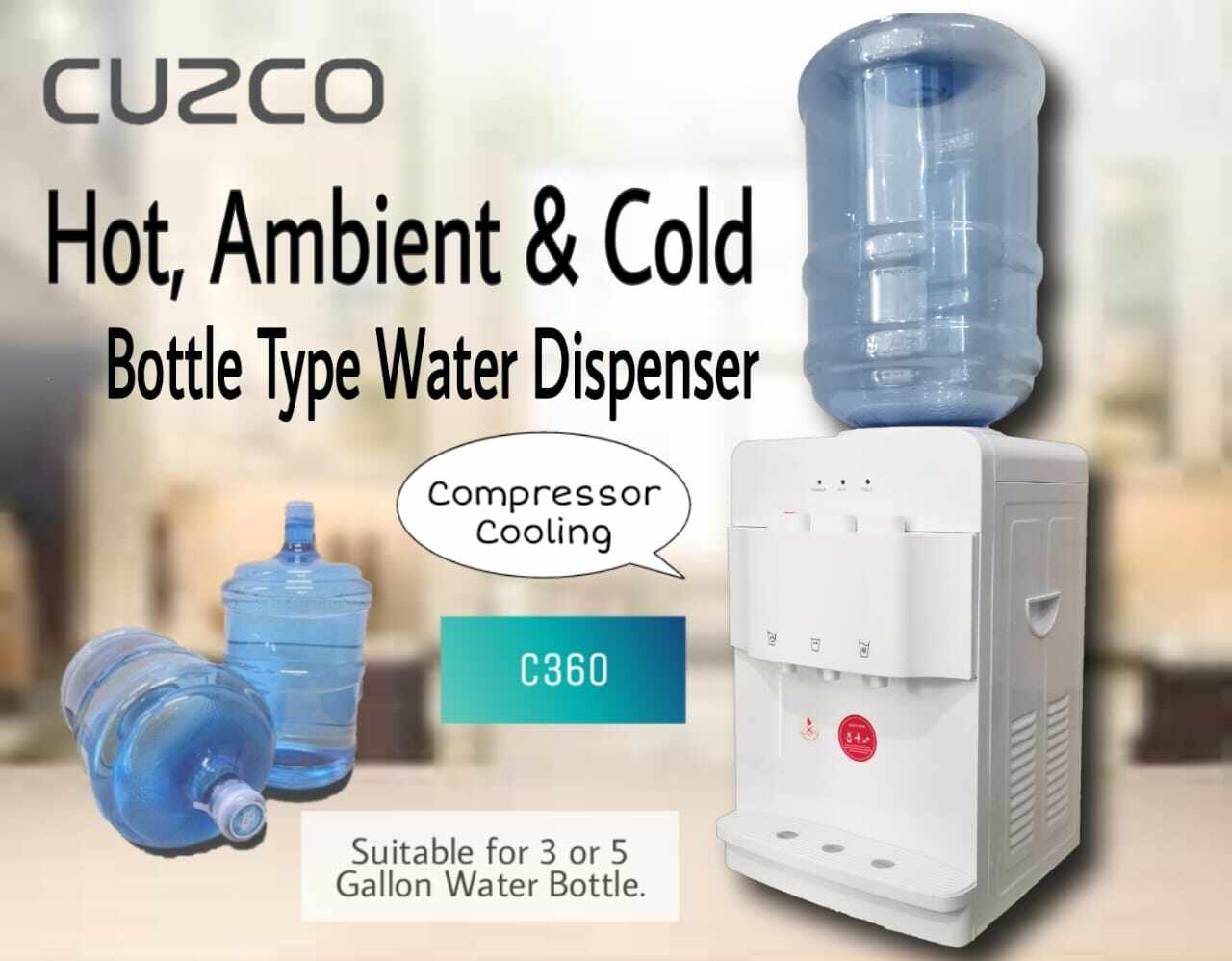

Absolutely! Unpacking the Magic of Hot and Cold Water Dispensers
"Can I use a water dispenser for hot and cold water?" This is a question we hear often, and the answer is a resounding YES! For many modern water dispensers, providing both instant hot and perfectly chilled water is not just a feature, but a core part of their design.
Gone are the days of needing separate kettles and bulky water pitchers. Today's hot and cold water dispensers are true kitchen workhorses, offering unparalleled convenience for a variety of needs.
How Do They Work Their Dual Magic?
Understanding the simple mechanics can help you appreciate these clever appliances:
-
The Cold Side: Most hot and cold dispensers use a compressor – similar to a refrigerator – or a thermoelectric cooling system to chill a small internal tank of water to around 40-50°F (4-10°C). This ensures you always have a refreshing, perfectly cool drink on demand.
-
The Hot Side: For hot water, a separate internal tank is equipped with a heating element. This element rapidly heats the water to temperatures typically ranging from 185-200°F (85-93°C) – hot enough for most instant beverages and culinary uses. Many models include a child safety lock on the hot water spigot, a crucial feature to prevent accidental burns.
Types of Hot & Cold Water Dispensers
While they all deliver both temperatures, they come in a few different styles:
- Top-Load Dispensers: These are the most traditional, with the large water bottle inverted and placed on top. They're generally more affordable but require lifting heavy bottles.
- Bottom-Load Dispensers: The water bottle slides into a cabinet at the bottom, making bottle changes much easier and giving the unit a sleeker look. A pump draws water up to the dispenser.
- Plumbed-In (POU - Point of Use) Dispensers: These connect directly to your home's water line, eliminating the need for bottles entirely. They often include advanced filtration systems. While more expensive initially, they offer unlimited water and ultimate convenience.
- Countertop Dispensers: Smaller, more compact units designed to sit on your kitchen counter. They typically use smaller bottles or have built-in reservoirs, perfect for smaller spaces or occasional use.
Important Note: While many modern dispensers offer both hot and cold, some simpler or older models might only provide cold or even room temperature water. Always check the product specifications!
Why You'll Love a Hot & Cold Water Dispenser
The benefits of having instant access to both temperatures are numerous:
- Instant Gratification: No more waiting for kettles to boil or ice to form. Quickly make tea, coffee, hot cocoa, instant noodles, or a refreshing glass of ice water.
- Health & Hydration: Easy access to filtered and great-tasting water encourages everyone in the household to drink more, promoting better hydration.
- Safety: The hot water spigot often comes with a child safety lock, making it safer than boiling water on a stovetop, especially in homes with kids.
- Versatility: Beyond just drinks, hot water can be used for quick rinse-offs, warming baby bottles, or adding to recipes.
- Environmental Friendliness: If you use large refillable bottles, you're reducing your reliance on single-use plastic bottles.
- Space-Saving: It combines the functionality of a kettle, a water filter pitcher, and a chilled water dispenser into one neat appliance.
What to Consider Before You Dive In
If you're thinking of getting a hot and cold water dispenser, keep these points in mind:
- Safety Features: Always prioritize models with a reliable child safety lock for the hot water.
- Energy Efficiency: Look for ENERGY STAR certified models to save on electricity bills.
- Capacity: Check the internal hot and cold water tank capacities to ensure they meet your household's demand.
- Size and Placement: Measure your space to ensure the unit fits comfortably.
- Loading Mechanism: Decide between the convenience of a bottom-load or the affordability of a top-load.
- Filtration: Some units come with built-in water filters, which can enhance taste and purity.
- Maintenance: Consider how easy it is to clean and descale.
Keeping Your Dispenser Pristine
Like any appliance, regular cleaning is key:
- External Wipe-Down: Keep the exterior clean with a damp cloth.
- Internal Cleaning: Periodically, you'll need to clean the internal tanks to prevent mineral buildup and bacteria growth. Follow the manufacturer's instructions – this usually involves unplugging the unit, draining it, and cleaning with a mild dilute bleach solution or white vinegar, followed by thorough rinsing.
- Descaling: For the hot water tank, descaling (removing mineral deposits) may be required every few months, especially in hard water areas.