
Are Water Dispensers Worth the Investment?
Are Water Dispensers Worth the Investment?
Ah, the humble water dispenser. Once a staple only in offices and waiting rooms, these convenient hydration stations are increasingly finding their way into homes, kitchens, and small businesses. But with various options available – from simple pitchers to smart refrigerators – the question remains: Are water dispensers truly worth the investment?
Let's dive in and weigh the pros and cons to help you decide.
The Irresistible Benefits: Why You Might Say "Yes!"
For many, a water dispenser quickly becomes an indispensable part of their daily routine. Here's why:
-
Convenience at Your Fingertips: This is arguably the biggest draw. No more waiting for tap water to chill or boiling a kettle for hot beverages. With a dispenser, you get instant access to perfectly chilled water for a refreshing drink, or piping hot water for tea, coffee, instant noodles, or even baby formula.
-
Boost Your Hydration: Easy access often leads to increased consumption. When a glass of clean, great-tasting water is just a button-push away, you're far more likely to reach for it throughout the day. This can be a game-changer for individuals or families struggling to meet their daily water intake goals.
-
Eco-Friendly Choice: If you're currently buying single-use plastic water bottles, a dispenser can significantly reduce your plastic waste footprint. Opting for large reusable jugs (delivered or refilled) or a plumbed-in system is a much more sustainable alternative.
-
Improved Taste & Quality: Many water dispensers come with built-in filtration systems that remove impurities, chlorine, and other contaminants, resulting in water that tastes cleaner and fresher than straight from the tap. Even bottled water dispensers ensure a consistent, pure taste.
-
Cost Savings in the Long Run: While there's an initial investment, a dispenser can save you money over time, especially if you're frequently purchasing small bottled waters. Large water jugs or a POU (Point-of-Use) system are often more economical per gallon.
-
Safety & Health (Bonus!): Many hot water dispensers come with child safety locks, preventing accidental burns. Plus, knowing your water is filtered and clean offers peace of mind.
But Wait, There Are Considerations:
No purchase is entirely without its drawbacks. Here are factors to ponder before taking the plunge:
-
Initial & Ongoing Costs: The dispenser itself is an upfront expense. Then, you'll have recurring costs for water refills (if using bottled systems) or filter replacements (for POU units). Electricity usage is also a minor ongoing cost.
-
Space Requirements: Water dispensers, especially floor-standing models, take up a noticeable amount of space. Countertop models are smaller but still occupy valuable kitchen real estate.
-
Maintenance: To keep your water clean and your dispenser running efficiently, regular cleaning (descaling, sanitizing) is necessary. This isn't a set-it-and-forget-it appliance.
-
Noise Factor: Some models, particularly those with compressors for chilling, can produce a noticeable hum or gurgling sounds, which might be a concern in very quiet environments.
-
Bottle Lifting (for some types): If you opt for a traditional bottled water dispenser, you'll need to periodically lift heavy 3- or 5-gallon water jugs onto the unit. This can be challenging for some individuals.
Understanding the Types: Bottled vs. Point-of-Use (POU)
The "worth it" factor often hinges on the type of dispenser you choose:
-
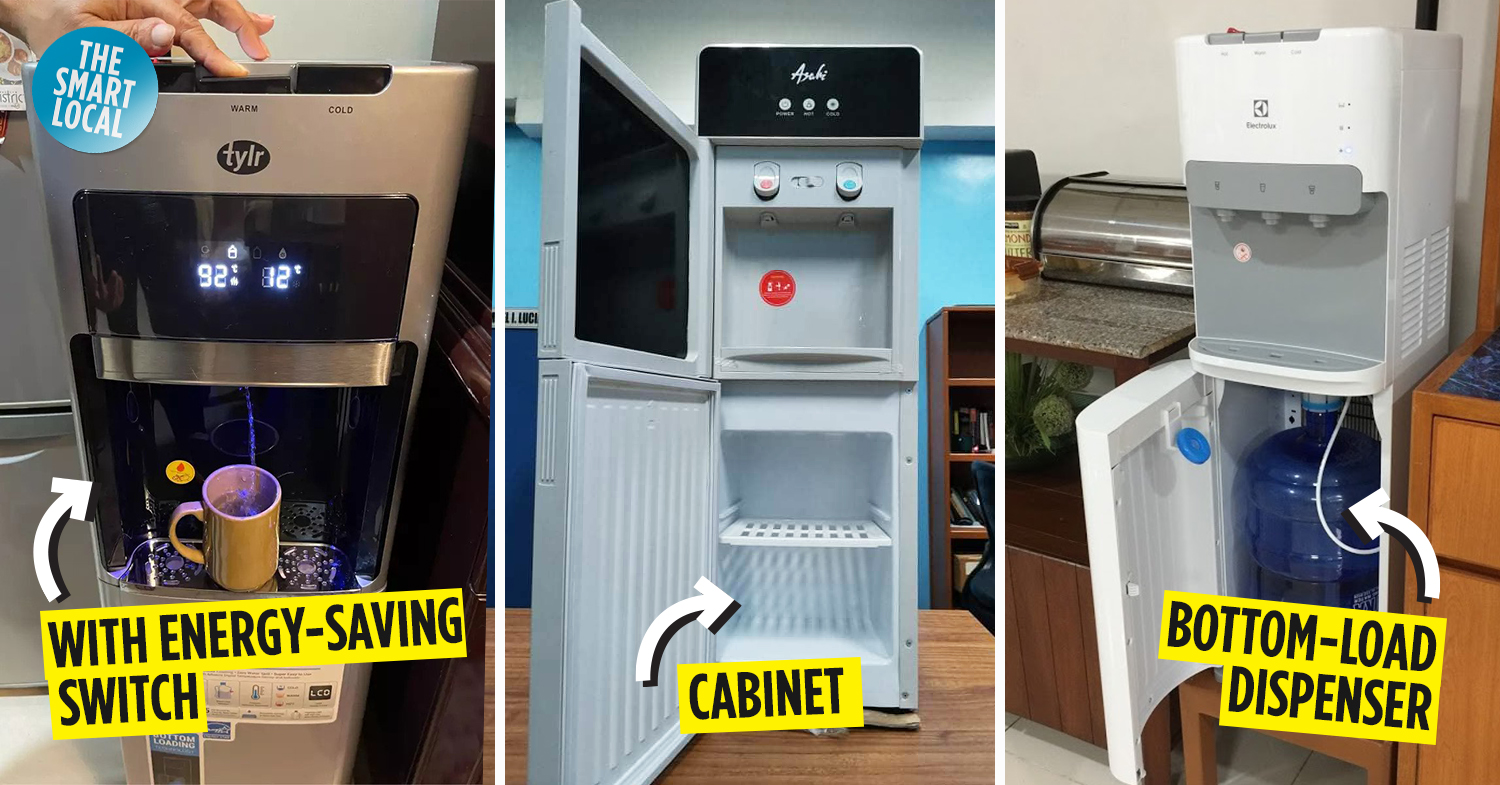
Bottled Water Dispensers: These are the classic models where you load large (typically 3 or 5-gallon) water bottles onto the top or into a cabinet below.
- Pros: Easy setup, no plumbing required, portable.
- Cons: Recurring cost of water delivery/pickup, heavy bottle lifting, potential for bottle storage issues.
-
Point-of-Use (POU) Dispensers: These units connect directly to your home's water line, similar to how an ice maker works. They filter the incoming tap water on demand.
- Pros: Unlimited filtered water, no heavy bottles, often more cost-effective long-term, continuous supply.
- Cons: Requires professional installation (plumbing), less portable, filter replacement costs.