
A Guide to Safe Water Dispenser Use in Johor
Sips of Safety: Your Guide to Safe Water Dispenser Use in Johor
Johor's tropical climate means staying hydrated is not just a preference, it's a necessity. Water dispensers have become a common fixture in our homes, offices, and public spaces, offering convenient access to cool, refreshing, or even piping hot water. But beyond the convenience, lies a crucial aspect often overlooked: safety and hygiene.
An improperly maintained water dispenser can quickly turn from a source of healthy hydration into a breeding ground for bacteria, mold, and other contaminants. Especially in Johor's warm and humid environment, these risks are amplified.
This guide will walk you through essential practices to ensure your water dispenser remains a safe and reliable source of clean drinking water for you and your loved ones in Johor.
Why is Safe Dispenser Use Crucial in Johor?
-
Tropical Climate: High temperatures and humidity accelerate microbial growth, making regular cleaning even more critical.
-
Rapid Spoilage: Water left stagnant or exposed to warm air in a dirty dispenser can quickly develop biofilms and contaminants.
-
Health Risks: Contaminated water can lead to gastrointestinal issues, skin irritations, and other health problems.
Your Step-by-Step Guide to Safe Water Dispenser Use:
1. Choosing the Right Dispenser
-
Reputable Brands: Invest in a dispenser from a well-known brand with good reviews and local service support.
-
Certifications: Look for certifications that indicate quality and safety standards (e.g., SIRIM in Malaysia, if applicable).
-
Dispenser Type:
-
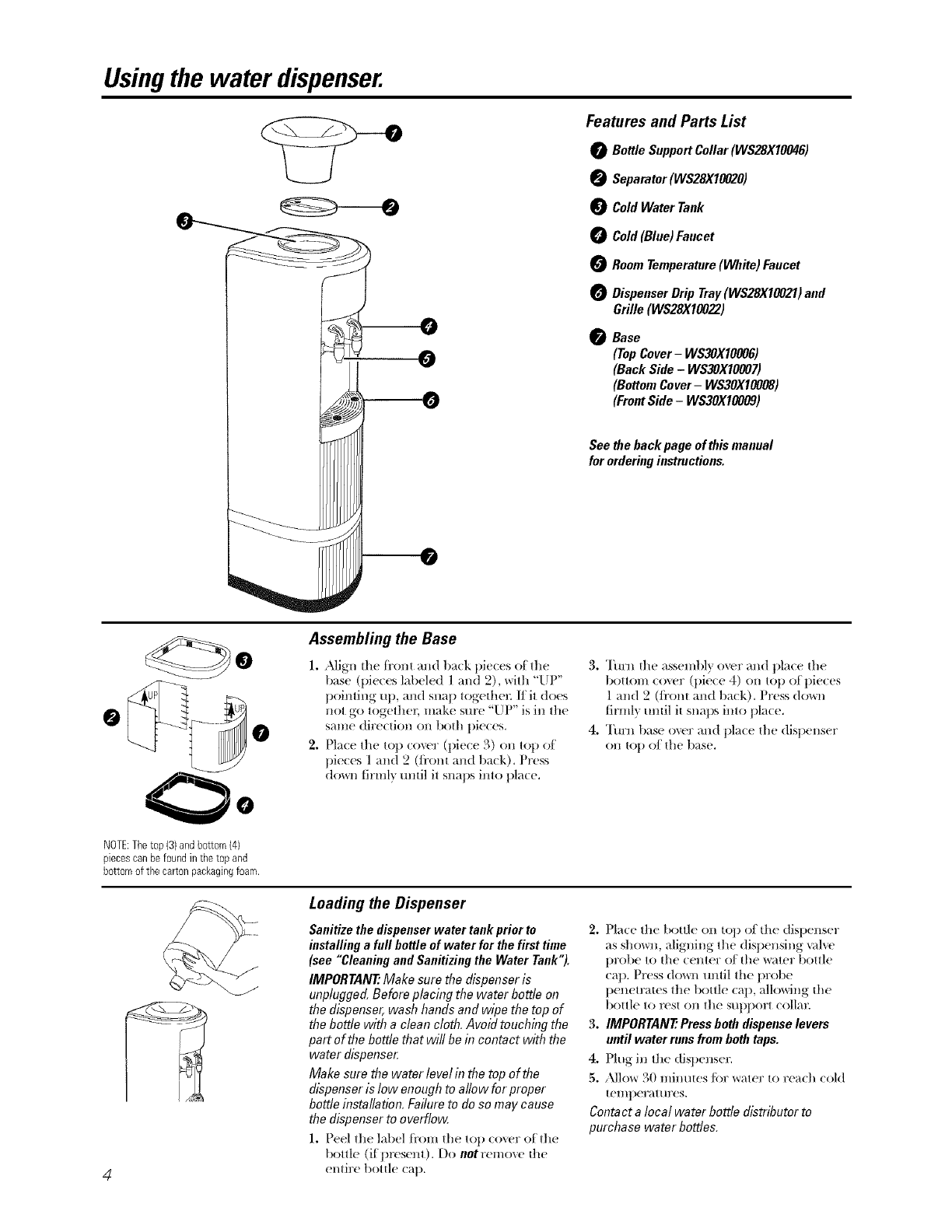
Bottled Water Dispensers: Easy to set up, but rely on the quality of bottled water.
-
Plumbed-In (POU - Point-of-Use) Dispensers: Connected directly to your water supply, often feature advanced filtration systems (sediment, carbon, UV, RO). These require regular filter changes as per manufacturer guidelines.
-
-
UV Sterilization: Some models come with built-in UV lamps, which provide an extra layer of protection against bacteria and viruses.
2. Strategic Placement & Installation
-
Cool, Dry, Ventilated Area: Place your dispenser away from direct sunlight, heat sources (like ovens), and high-humidity areas (like bathrooms). This helps prevent algae growth and keeps the unit running efficiently.
-
Level Surface: Ensure the dispenser is on a stable, level surface to prevent spills and ensure proper water flow.
-
Accessible Power Outlet: Use a dedicated, grounded power outlet. Avoid using extension cords or overloading sockets, especially for hot water models, to prevent electrical hazards.
-
Away from Contaminants: Don't place it near chemical storage, dust-prone areas, or pet feeding zones.
3. Regular Cleaning & Maintenance (The Most Important Step!)
This is where most of the work lies, but it's simple and vital.
For Bottled Water Dispensers:
-
Exterior Wiping: Wipe down the exterior, taps, and drip tray daily or every few days with a clean, damp cloth.
-
Drip Tray: Empty and wash the drip tray daily/regularly. This area collects spilled water and can quickly become a breeding ground for mold and bacteria.
-
Internal Cleaning (Monthly Recommended):
-
Unplug: Always unplug the dispenser before cleaning.
-
Remove Bottle: Take off the water bottle.
-
Drain Water: Drain all remaining water from both hot and cold taps until empty.
-
Cleaning Solution: Prepare a cleaning solution. You can use:
-
White Vinegar: Mix 1-2 cups of white vinegar with an equal amount of water. Pour it into the water reservoir.
-
Mild Bleach Solution: Mix 1 teaspoon of unscented household bleach with 1 litre of water. Use sparingly and rinse thoroughly.
-
-
Soak: Let the solution sit in the reservoir for 15-30 minutes.
-
Scrub (Optional): Gently scrub the inside of the reservoir with a clean, soft brush if you can reach, being careful not to damage components.
-
Drain & Rinse: Drain the cleaning solution through both the hot and cold taps until the reservoir is empty.
-
Rinse Thoroughly: This step is crucial! Fill the reservoir with clean tap water, let it sit for a few minutes, then drain through both taps. Repeat this rinsing process at least 2-3 times to ensure no cleaning solution residue remains.
-
Clean Taps & Spouts: Use a small brush or cotton swab dipped in cleaning solution to clean the spouts and around the taps. Rinse thoroughly.
-
Sanitize Bottle Piercer: Clean the bottle piercer (the part that punctures the bottle cap) with a sanitizing wipe or cloth dampened with cleaning solution, then rinse.
-
Dry: Allow the interior to air dry completely if possible, or wipe with a clean, dry cloth.
-
Replace Bottle: Place a new, full water bottle on top.
-
Plug In: Plug the dispenser back in.
-
For Plumbed-In (POU) Dispensers:
-
Follow Manufacturer's Schedule: The most important maintenance is replacing filters and sanitizing the internal lines according to the manufacturer's recommendations. This could be every 3-6 months for filters and annually for professional sanitization.
-
Exterior Cleaning: Same as bottled dispensers – wipe exterior, taps, and drip tray regularly.
-
Professional Servicing: Consider scheduling regular professional servicing as recommended by your supplier, especially for units with advanced filtration or UV systems.
4. Water Source & Bottle Handling
-
Reputable Water Suppliers: For bottled dispensers, always purchase sealed bottles from trusted, certified water suppliers. Check the expiry date and ensure the seal isn't broken.
-
Clean Bottle Neck: Before placing a new bottle on the dispenser, wipe down the neck and cap of the bottle with a clean, damp cloth or sanitizing wipe.
-
Store Bottles Properly: Store spare water bottles in a cool, dark place away from direct sunlight and contaminants.
-
Never Reuse Commercial Bottles: The large commercial water bottles are designed for single-use by the supplier and are not meant to be refilled at home due to sanitization challenges.
5. User Habits for Hygiene
-
Wash Hands: Always wash your hands before handling water bottles or dispensing water.
-
Clean Cups/Containers: Use clean cups, bottles, or containers.
-
Avoid Touching Spouts: Do not touch the dispensing spouts with your hands, cups, or mouth.
-
Children & Hot Water: If you have children, ensure the hot water safety lock mechanism is always engaged to prevent accidental burns. Teach children how to use the dispenser safely.
-
Report Issues: If you notice any unusual taste, smell, leaks, or slow dispensing, address the issue immediately.
6. Electrical Safety
-
Check Cords: Regularly inspect power cords for any fraying or damage.
-
Unplug for Maintenance: Always unplug the unit before cleaning, moving, or performing any maintenance.
-
Professional Repairs: If the dispenser requires electrical repair, always call a qualified technician. Do not attempt DIY electrical fixes.
The Benefits of a Safe & Clean Dispenser
By following these simple guidelines, you're not just preventing potential health hazards; you're also:
-
Ensuring Pure Taste: Clean dispensers deliver water that tastes fresh and pure, as it should.
-
Extending Dispenser Lifespan: Regular maintenance helps your unit run more efficiently and last longer.
-
Peace of Mind: Knowing every sip is safe contributes to a healthier, happier household or workplace.