
8 Tips for Choosing the Right Function Water Dispenser
8 Tips for Choosing the Perfect Function Water Dispenser
Tired of lukewarm tap water or endless trips to the store for bottled water? A function water dispenser can revolutionize your hydration, offering instant access to perfectly chilled, piping hot, or even sparkling water at the touch of a button. But with so many options on the market – from simple hot/cold units to sophisticated plumbed-in systems with advanced filtration – how do you pick the right one for your home or office?
Don't sweat it! We've distilled the process into 8 essential tips to help you make an informed decision and sip smarter.
1. Bottled vs. Plumbed-In (POU): The Fundamental Decision
This is your first major choice.
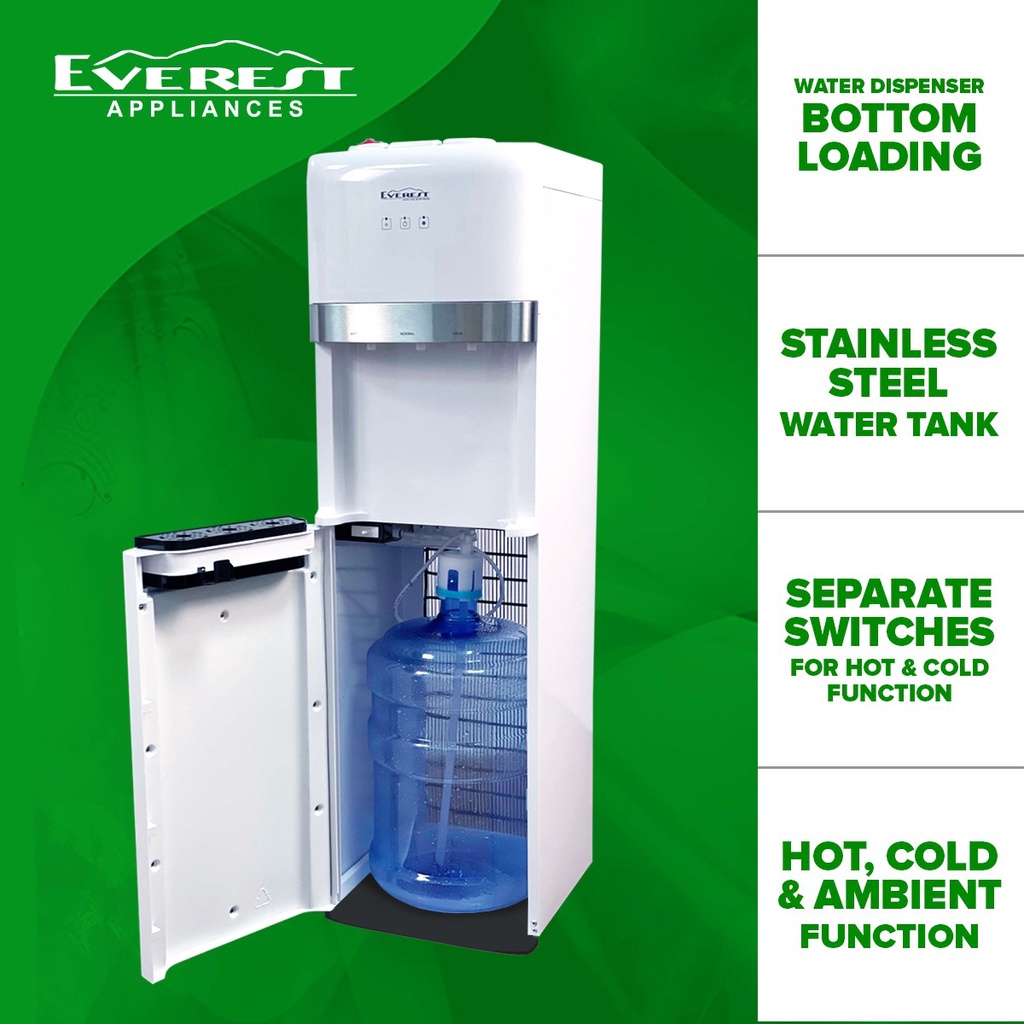
- Bottled Water Dispensers: Require large, replaceable water bottles (usually 3 or 5 gallons). Great for renters, those who prefer specific bottled water brands, or spaces without easy access to a water line.
- Plumbed-In (Point-of-Use - POU) Dispensers: Connect directly to your home or office water line. Offer an endless supply of filtered water, eliminate bottle storage and lifting, and are generally more eco-friendly. They do require professional installation and access to a water source.
Consider: Your living situation, budget for bottle delivery vs. installation, and environmental impact.
2. Identify Your Essential Functions
"Function" is in the name for a reason! Modern dispensers offer a range of features:
- Hot & Cold: The most common combination, perfect for instant tea, coffee, noodles, or a refreshing cold drink.
- Ambient: Dispenses room-temperature water.
- Sparkling: Some high-end models can carbonate water on demand.
- Specific Temperatures: Advanced units might allow you to set precise temperatures for different beverages (e.g., 90°C for green tea, 40°C for baby formula).
Consider: What specific tasks will you use the dispenser for most? Don't overpay for features you'll never use.
3. Assess Capacity & Usage
How many people will be using the dispenser, and how often?
- For a small household (1-2 people): A smaller countertop unit with a modest tank size might suffice.
- For a busy family or office (3+ people): Look for larger tank capacities and a faster cooling/heating recovery rate to ensure there's always enough water when you need it.
- Continuous Flow: POU systems generally offer a more consistent supply than bottled models with finite tanks.
Consider: Peak usage times and the number of users to avoid running out of hot or cold water.
4. Filtration System Matters (Especially for POU)
If you're going with a plumbed-in unit, the filtration system is crucial for water quality and taste:
- Activated Carbon Filters: Remove chlorine, sediment, and volatile organic compounds (VOCs), improving taste and odor.
- Reverse Osmosis (RO): A more advanced filtration that removes a wider range of contaminants, including dissolved solids, heavy metals, and bacteria.
- UV Sterilization: Uses ultraviolet light to kill bacteria and viruses, providing an extra layer of purification.
- Sediment Filters: Remove larger particles like rust and dirt.
Consider: The quality of your local tap water and your desired level of purification.
5. Ponder Energy Efficiency
A water dispenser runs continuously, so energy consumption can add up.
- Energy Star Rating: Look for dispensers with an Energy Star certification, indicating they meet strict energy efficiency guidelines.
- Sleep Modes/Timers: Some models include features that allow you to program the dispenser to turn off or enter a low-power mode during off-peak hours (e.g., overnight or weekends).
- Insulation: Better insulation means less energy is needed to maintain water temperature.
Consider: The long-term running costs and your environmental footprint.
6. Consider Size and Placement
Water dispensers come in various sizes and styles:
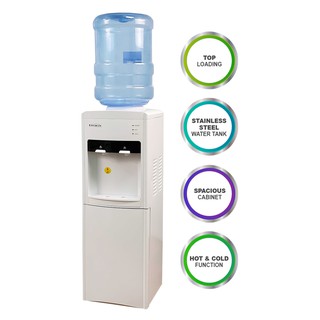
- Freestanding/Floor Standing: Taller units that stand on their own, often with storage cabinets at the bottom. Best for larger spaces.
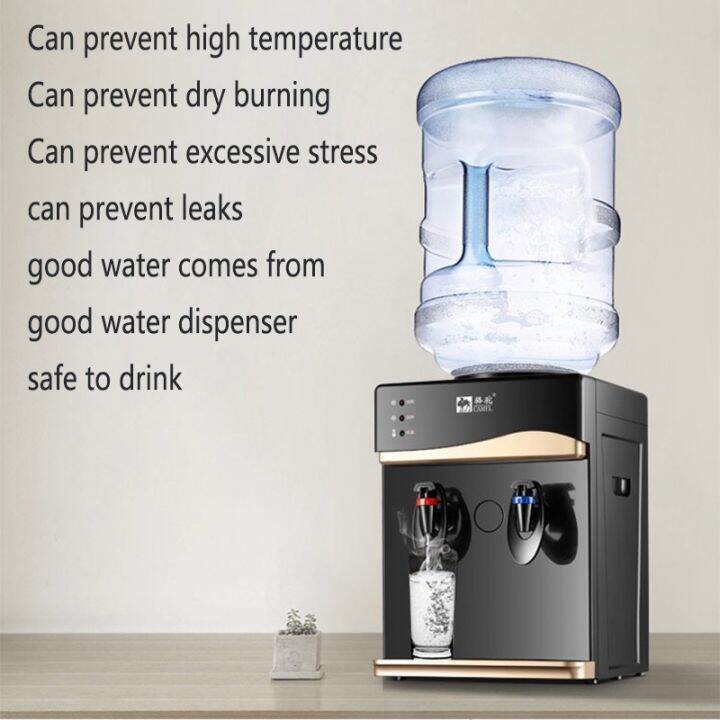
- Countertop: Compact units that sit on your kitchen counter or a designated stand. Ideal for smaller kitchens or offices.
- Under-Sink (for POU): Some POU systems can be hidden under the sink with a small faucet on the counter, offering a sleek, minimalist look.
Consider: Available space, proximity to a power outlet, and for POU, access to a water line.
7. Ease of Maintenance & Cleaning
A water dispenser needs regular cleaning to prevent bacteria buildup and maintain water quality.
- Removable Drip Trays: Essential for easy cleaning of spills.
- Stainless Steel Tanks: More durable and easier to sanitize than plastic.
- Filter Replacement: How easy is it to replace filters? Are they readily available and affordable?
- Self-Cleaning Features: Some advanced models include UV sterilization or ozone injection for automatic sanitation.
Consider: How much effort you're willing to put into maintenance to ensure hygienic water.
8. Set Your Budget (Upfront & Ongoing)
Determine your budget, but remember to factor in more than just the purchase price:
- Initial Cost: The price of the dispenser itself varies widely based on features, brand, and type.
- Installation Costs: For POU units, you might need professional installation.
- Ongoing Costs:
- Bottled Units: Cost of water bottle delivery/purchase.
- POU Units: Cost of replacement filters (usually every 3-6 months).
- Energy Consumption: As discussed in tip #5.