
8 Essential Tips for Choosing a Water Filter in Johor
8 Essential Tips for Choosing a Water Filter in Johor
Johor, with its vibrant cities, booming industries, and beautiful natural landscapes, offers a fantastic lifestyle. But like any modern region, ensuring the purity of your drinking water is a top priority for health and peace of mind. While tap water in Johor is treated and generally safe, many residents opt for water filters to address concerns about taste, odor, sediment, and potential contaminants that can enter the supply chain.
Choosing the right water filter can seem daunting with the myriad of options available. Fear not, fellow Johoreans! Here are 8 essential tips to guide you through the process and help you bring refreshing, clean water into your home.
1. Know Your Water Source & Quality
Before you even look at filters, understand what you're filtering. While Johor's water comes from various sources (rivers, dams), the treatment processes aim for general safety. However, issues like aging pipes, industrial runoff, or even agricultural activities upstream can affect localized water quality.
- Action: Consider a basic home water testing kit or inquire with local authorities about common water concerns in your specific area (e.g., Johor Bahru, Skudai, Kulai, etc.). This will reveal potential issues like chlorine levels, hardness, or sediment.
2. Identify Your Specific Filtration Needs
What problems are you trying to solve? Different filters target different contaminants.
-
Taste & Odour: Often caused by chlorine. An activated carbon filter is excellent for this.
-
Sediment & Rust: Common in older piping. Sediment filters are your first line of defense.
-
Bacteria & Viruses: Concerned about microbiological contaminants? Ultrafiltration (UF), Reverse Osmosis (RO), or Ultraviolet (UV) filters are effective.
-
Heavy Metals & Chemicals: RO systems are highly effective against a wide range of dissolved contaminants.
-
Action: Prioritize based on your water test results and personal concerns.
3. Explore Different Filter Technologies
Understanding the main types will help you match them to your needs:
-
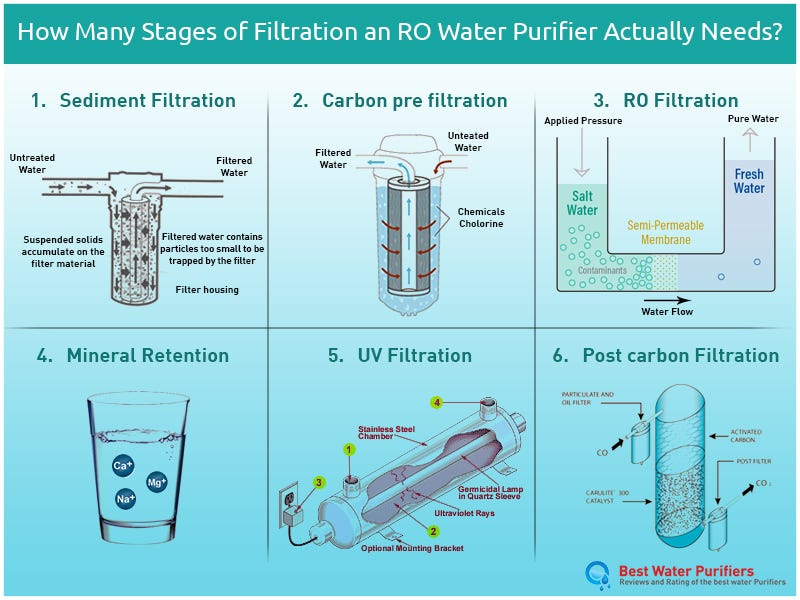
Sediment Filters: Remove larger particles like dirt, rust, and sand. Usually the first stage.
-
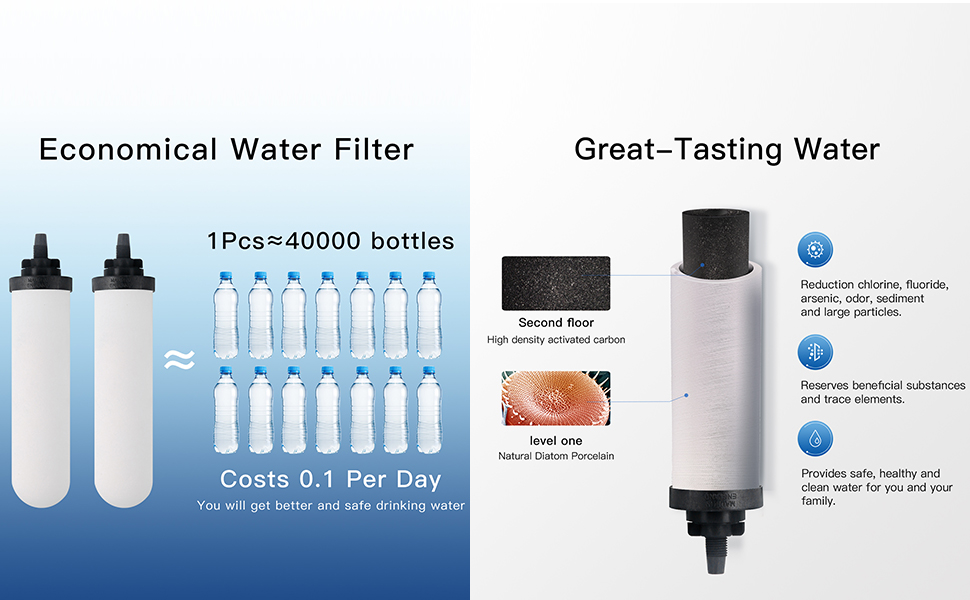
Activated Carbon Filters: Excellent for removing chlorine, bad tastes, odors, and some organic chemicals.
-
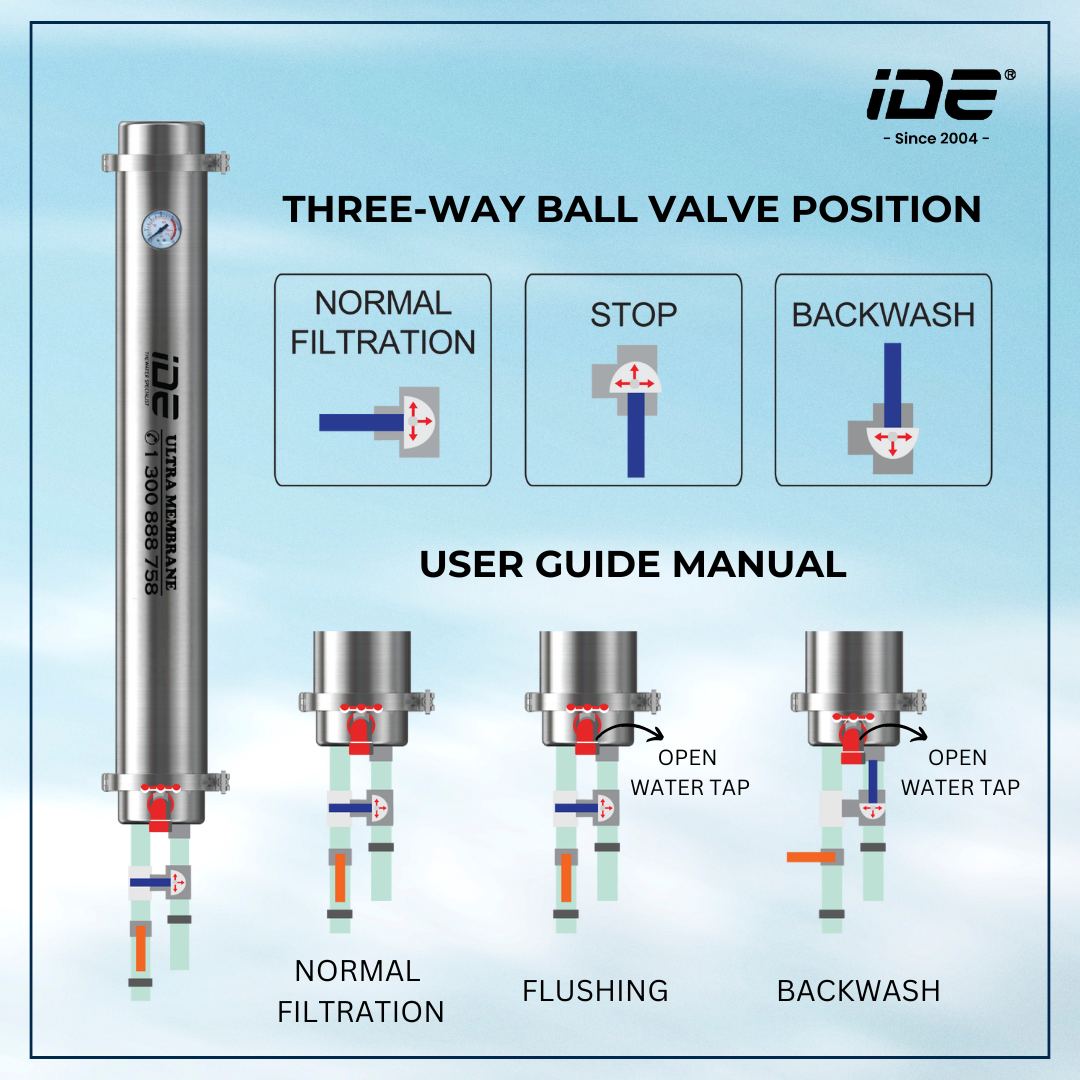
Ultrafiltration (UF): Uses a fine membrane to remove bacteria, viruses, and suspended solids, but retains beneficial minerals.
-
Reverse Osmosis (RO): The most comprehensive filtration, removing almost all dissolved solids, heavy metals, bacteria, viruses, and chemicals. It also removes beneficial minerals.
-
UV Sterilisers: Kills bacteria and viruses using ultraviolet light, but doesn't remove physical contaminants.
-
Alkaline/Mineral Filters: Often added as a post-filter stage to RO systems to re-mineralize and alkanize the water.
-
Action: Think about a multi-stage system that combines several technologies for comprehensive purification.
4. Consider Installation Type & Space
Where will the filter fit in your home?
-
Under-Sink Filters: Popular for direct drinking water, they connect to your cold water line and dispense through a dedicated faucet. Ideal for kitchens with limited counter space.
-
Countertop Filters: Easy to install, these sit on your counter and connect to your existing faucet. Great for renters or smaller households.
-
Whole-House Filters (Point-of-Entry): Installed where water enters your home, treating all water for showering, washing, and drinking. Protects appliances too. More complex installation, often preferred in landed properties.
-
Pitcher Filters: Most affordable and portable, but offer basic filtration and require frequent refills.
-
Action: Assess your kitchen layout, plumbing access, and overall water usage to decide on the best type for your Johor home.
5. Factor in Maintenance and Running Costs
The initial purchase price is just one part of the equation.
-
Filter Replacement: How often do filters need changing, and how much do they cost? (e.g., RO filters have multiple stages that need periodic replacement).
-
Power Consumption: Some systems (like RO with pumps or UV filters) require electricity.
-
Wastewater (for RO): RO systems typically produce wastewater as they purify. Factor this into your water bill.
-
Servicing: Do you need professional servicing, or can you DIY filter changes?
-
Action: Always ask about the long-term running costs and maintenance schedule before committing to a purchase.
6. Look for Certifications and Reputable Brands
Don't compromise on safety and performance.
-
SIRIM Certification: Crucial for Malaysia. This ensures the product meets national safety and quality standards.
-
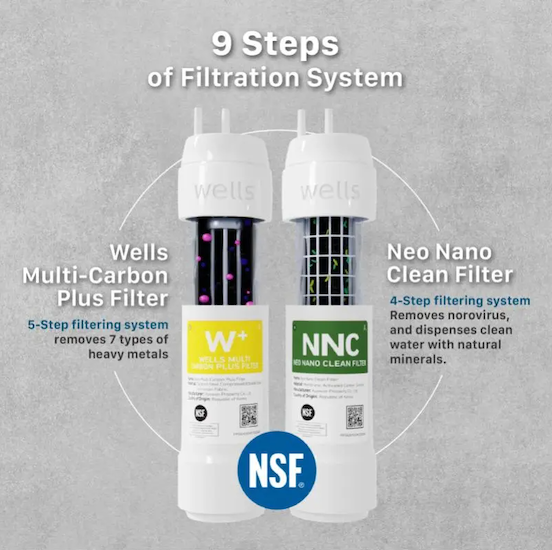
International Certifications: Look for certifications from reputable organizations like NSF International (National Sanitation Foundation) or WQA (Water Quality Association), which independently test and certify water treatment products.
-
Brand Reputation: Stick to well-known brands with a good track record and positive customer reviews, especially in the Johor market.
-
Action: Always verify certifications and choose a brand known for quality and customer support.
7. Set a Realistic Budget
Water filters range dramatically in price.
-
Entry-Level: Pitcher filters or basic faucet filters are most affordable.
-
Mid-Range: Under-sink UF or advanced carbon systems offer a good balance of performance and cost.
-
High-End: Comprehensive RO systems and whole-house filters represent a significant investment.
-
Action: Determine your budget, but remember that investing in a good quality filter is an investment in your health and can save you money on bottled water in the long run. Don't just focus on the cheapest upfront cost.
8. Read Reviews and Seek Local Advice
Leverage the experience of others!
-
Online Reviews: Check product reviews on e-commerce sites and local forums.
-
Local Communities: Ask friends, family, or neighbors in Johor about their experiences with different brands and service providers. A filter that performs well in one part of Johor might have different feedback in another due to varying water conditions.
-
Local Dealers: Visit showrooms in Johor Bahru, Skudai, or your local town. Talk to knowledgeable sales staff and compare options in person.
-
Action: Gather as much real-world feedback as possible to inform your decision.