
7 Reasons People Ask About Water Dispensers
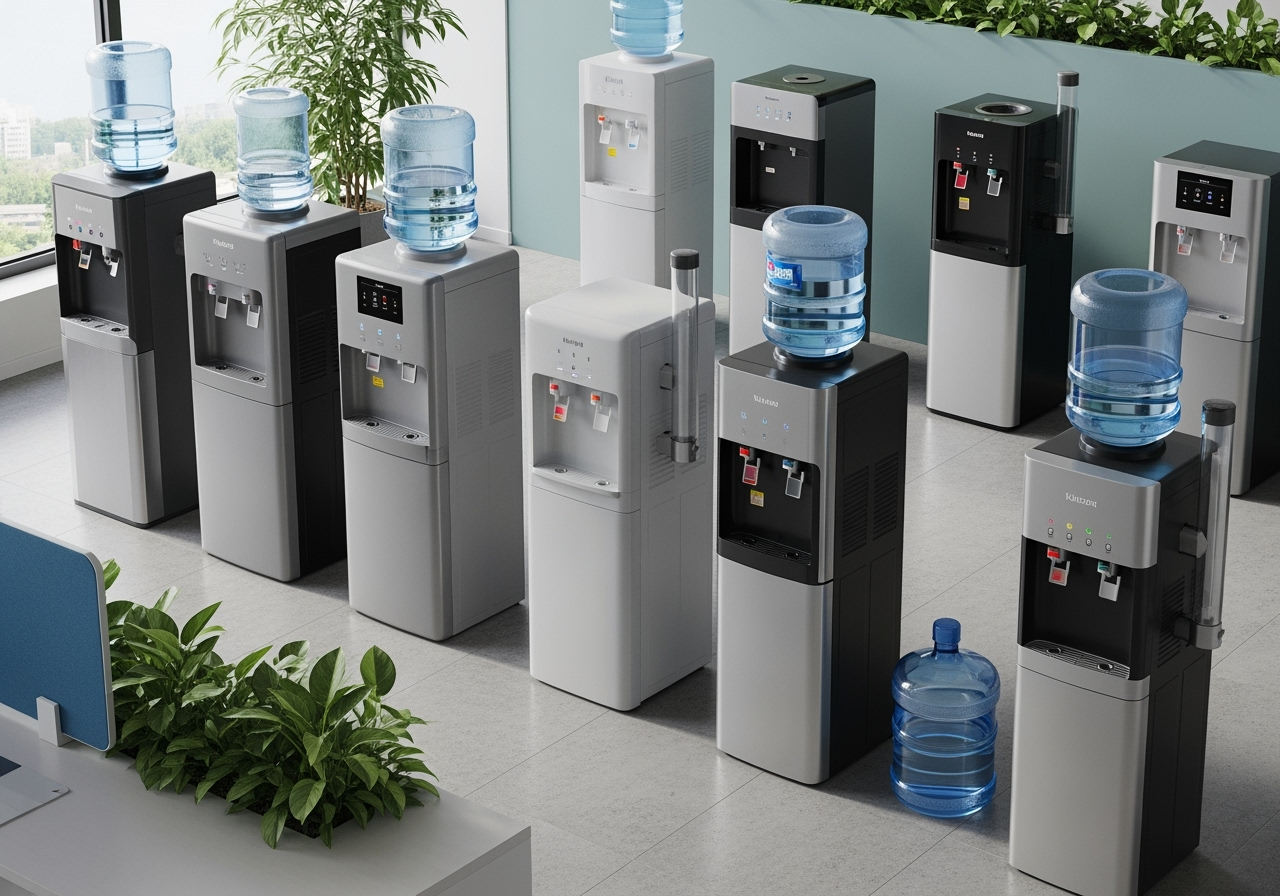
7 Reasons Why Everyone Is Suddenly Asking About Water Dispensers
Walk into any modern office breakroom, a sleek co-working space, or even a contemporary kitchen, and you’ll likely spot one common denominator: a water dispenser.
While the humble water cooler used to be a staple of 90s sitcom offices, today’s water dispensers have undergone a major glow-up. From countertop smart-filtered units to sleek stainless steel floor models that provide boiling and sparkling water on demand, interest in these appliances is surging.
Curious about what’s driving the hype? Here are the 7 most common reasons people are asking about water dispensers right now—and whether you should get one, too.
1. "How Can I Stop Buying Single-Use Plastic Bottles?"
Eco-consciousness is at an all-time high, and people are waking up to the staggering environmental cost of bottled water. Hauling cases of plastic water bottles from the grocery store—only to toss them in the recycling bin (or worse, the trash)—feels increasingly irresponsible.
- The Fix: A water dispenser paired with a 5-gallon reusable jug or a direct-plumbed filtration system drastically cuts down on single-use plastic waste, making it one of the easiest eco-friendly swaps you can make.
2. "Does Tap Water Actually Taste... Good?"
Municipal tap water is generally safe to drink, but let’s be honest: it often tastes like chlorine, metal, or whatever old pipes it had to travel through to reach your faucet. Many people start looking into dispensers because they want crisp, clean, odor-free water without having to rely on flimsy pitcher filters that take forever to refill.
- The Fix: Modern dispensers often feature built-in multi-stage filtration systems (including carbon and reverse osmosis) that strip out impurities and drastically improve taste.
3. "Is Bottled Water Actually Harming My Wallet?"
If you calculate how much money you spend on bottled water over a year—whether buying individual packs or delivery services—it adds up fast. Families and office managers alike are asking about water dispensers as a long-term investment.
- The Fix: While there is an upfront cost to purchasing a unit and buying or filtering water in bulk, the cost per gallon plummets dramatically over time compared to buying cases of retail bottled water.
4. "Can I Get Instant Tea and Coffee Without Waiting for the Kettle?"
Time is our most precious commodity, and waiting for water to boil on the stove or in an electric kettle feels like a luxury we don’t always have. A huge percentage of inquiries about modern water dispensers come from people looking for the ultimate convenience hack.
- The Fix: Many modern dispensers feature a "hot water" tap alongside the cold one. Whether you’re making French press coffee, brewing loose-leaf tea, or whipping up instant oatmeal, having near-boiling water on demand is a total game-changer.
5. "How Do I Get My Kids (or Employees) to Drink More Water?"
Let’s face it: plain tap water can be boring. Getting kids to stay hydrated instead of reaching for juice boxes, or getting employees to step away from sugary sodas, can be a daily battle.
- The Fix: People are increasingly asking about advanced dispensers that offer sparkling water or flavored infusions on tap. When you make water fizzy, cold, and easily accessible, people naturally drink more of it.
6. "Are We Doing Enough for Office Health and Hygiene?"
In a post-pandemic world, shared spaces are under a microscope. Old-school water coolers where people awkwardly hovered and touched spigots with their hands are out; touchless hygiene is in.
- The Fix: People researching dispensers today are specifically asking about touchless models (where you activate the flow with a sensor or foot pedal) and units with built-in UV-C self-cleaning technology that automatically sanitizes the water tanks and lines.
7. "Will This Actually Fit in My Kitchen/Office?"
Gone are the days of the clunky, industrial-blue-jug cooler that clashed with every known interior design style. A very common question designers and homeowners ask is: "Do these things actually look good?"
- The Fix: Manufacturers have answered the call with minimalist, aesthetic designs. You can now get sleek, matte-black, stainless steel, or compact countertop dispensers that blend seamlessly into high-end kitchens, tiny apartments, and stylish executive boardrooms.